-
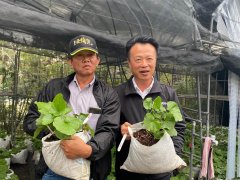
Where in China is suitable for growing wasabi? Mid-altitude wasabi in Alishan may make a comeback
The distinctive crop "wasabi" of Alishan Township in Chiayi County gradually disappeared after the Forestry Bureau banned its cultivation on national forest land 20 years ago for national land conservation. Jiang Jinpin, a wasabi farmer who is also a wasabi merchant, introduced 12 Japanese varieties 3 years ago and cultivated them under net houses in the Shizhao area at an altitude of about 1200 m, successfully domesticating 2 wasabi varieties suitable for cultivation at mid-altitude, and is expected to be able to give healthy seedlings to farmers for planting next year.
-
What goes best with mustard? Wasabi, mustard and horseradish are very different
When eating Japanese cuisine, especially sashimi, you'll definitely dip it in "wasabi". The stereotype says it can help kill bacteria and protect health, but some experts have spoken out saying, "You've all been fooled!" Real "wasabi" (Wasabia japonica) can indeed inhibit bacteria, but unfortunately most
-

The Latest Wasabi Planting Techniques and Methods Tutorial
Wasabi, scientifically known as Eutrema japonicum, is a precious pungent aromatic vegetable plant in the Brassicaceae family. Wasabi is a special edible health product and also one of the most common condiments in the world. Although the price is relatively high, market demand is not small. Wasabi has antibacterial and anti-cancer functions
-
What are the growing conditions for wasabi? A detailed explanation of the latest cultivation requirements
Wasabi is a special edible health plant and an extremely precious condiment on the market, expensive and in great demand. However, because its growing conditions are rather special and there are few environments suitable for its growth, its yield is relatively low. Below, follow the editor to
-
Latest Key Points for Wasabi Cultivation Explained in Detail
Wasabi is currently an extremely precious condiment food internationally; it not only tastes good but is also rich in nutrients, and it also has various pharmacological effects such as antibacterial, anticancer, and antioxidant properties. It is extremely popular on the market, with huge market demand, and high prices. Many people, aiming at its commercial
-
A Detailed Guide to Horseradish (Wasabi Radish) Cultivation Techniques
Horseradish is native to Europe. It is a raw material for seasoning and also a vegetable. In recent years it has gradually been cultivated domestically. Today, the editor will introduce horseradish cultivation techniques to everyone. 1. Seed and site selection First, we must select good horseradish seeds without obvious wounds and free of pests and diseases, and choose high-lying, dry soil with high fertility as the planting site. Before planting, the land preparation work must be done well. First, plow the soil deeply to about 35 cm, form ridges and disinfect them, then apply sufficient base fertilizer. The base fertilizer is mainly farmyard manure, combined with a small amount of compound fertilizer, and then plant it on top of the ridges. The planting period for horseradish is relatively long. Generally, planting is carried out around the Beginning of Spring each year. When sowing, control the sowing density well and ensure sufficient soil moisture. After sowing, cover with about 4 cm of soil and cover well with plastic film.
-
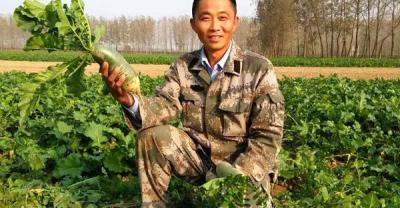
Suitable Regions for Wasabi Cultivation and Key Technical Points for High-Yield Management
Suitable Regions for Wasabi Cultivation: Techniques for High-Yield Wasabi Cultivation and Management 1 Site Selection: Choose gently sloping land at an elevation between 1,500 and 2,600 m with a 5°-15° gradient, loose and fertile soil...
-

What are the precautions for growing wasabi? These key points you need to master
Precautions for growing wasabi
-

What are the growing conditions for wasabi? A detailed explanation of environmental requirements
Growing conditions for wasabi
-

Detailed Explanation of Wasabi Planting Techniques and Management Methods
Wasabi Planting Techniques
条件筛选