-
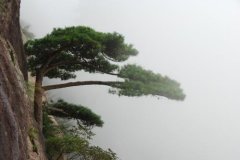
The characteristics of the Huangshan pine are endlessly varied in form; compared with the Japanese black pine, which is better?
The Huangshan pine mainly grows on Mount Huangshan, so it is called the Huangshan pine. What characteristics does the Huangshan pine have? Its most distinctive characteristic is where it grows, generally on mountain tops and beside steep cliffs. The giant pines reach several zhang in height, while the small pines are less than a chi, breaking through rock to grow, with a beauty of form that
-

How to Propagate the Fairy Castle Cactus? A Detailed Guide to Common Propagation Methods
Fairy castle cacti come in a variety of forms, with small but numerous flowers, and after blooming they can produce small fleshy berries. Many people grow fairy castle cacti for ornamental purposes, so how do you propagate them? 1. How to Propagate the Fairy Castle Cactus? Fairy castle cacti can be propagated by cuttings, grafting, division, and sowing.
-
How to Tell Real Cordyceps from Fake? These Methods You Must Master
In the face of the numerous and varied cordyceps specialty stores on the market, many consumers find it very difficult to tell real Cordyceps from fake. Experts offer consumers tips: real and fake Cordyceps can be easily distinguished by three aspects: shape, color and smell. Grass shape: Cordyceps has a body shaped like a silkworm, generally with only one
-
What kind of tea is Jingxian Lanxiang tea? A detailed explanation of its tea category
There are many and varied teas, and different regions have their own representative teas. In Jingxian, Anhui, there is a local specialty tea called Jingxian Lanxiang tea. What kind of tea is Jingxian Lanxiang tea? 1. What kind of tea is Jingxian Lanxiang tea Jingxian Lanxiang tea belongs to green tea and is a specialty of Jingxian, Xuancheng City, Anhui Province.
-
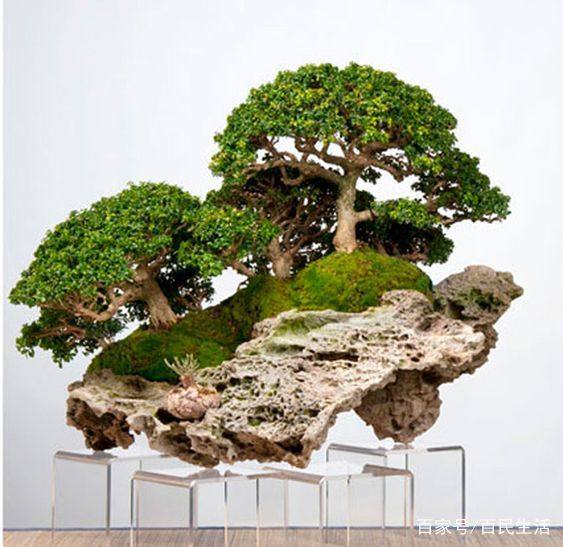
Bonsai appreciation: mottled trunks and varied forms, these unmatched bonsai are so beautiful
Bonsai appreciation: see the mottled trunks, admire the varied forms, these "unmatched" bonsai are so beautiful. Take a look at the bonsai below; among them, the rock-clinging style bonsai stands out the most, full of character. Dear viewers, which bonsai do you like? ...
-
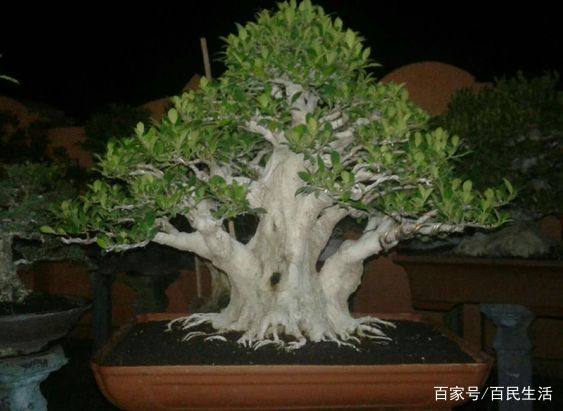
Bonsai appreciation: the beauty of shapes in all their varied forms, inspiring endless imagination
This bonsai looks like a big palm emerging from the ground, a vivid Five Finger Mountain. ...
-
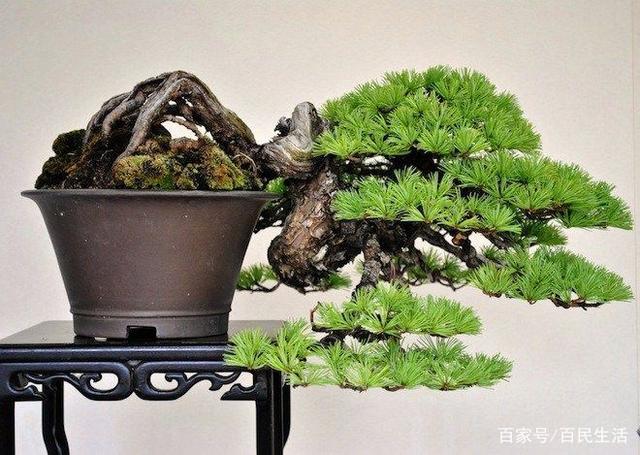
The beauty of bonsai is as varied as it is captivating. Do you prefer the ancient, rugged and majestic style, or the slender and elegant one?
At a glance, this bonsai is in the ancient, rugged and majestic style. Look at the part of the branch near the root, like a claw gripping the soil tightly. The crown is also extremely striking, with branches partly hidden and partly visible, and the pine needles dense and layered. It really...
-

Balcony floors can be more varied, there is no need for them all to be the same
Although the balcony area is small, when it is decorated well it can also give people a different, good mood. Besides the practical functions of storage and drying clothes, where else can catch people's eye? The answer is: floor tiles. The editor has already decided to do just that! What about you?...
-
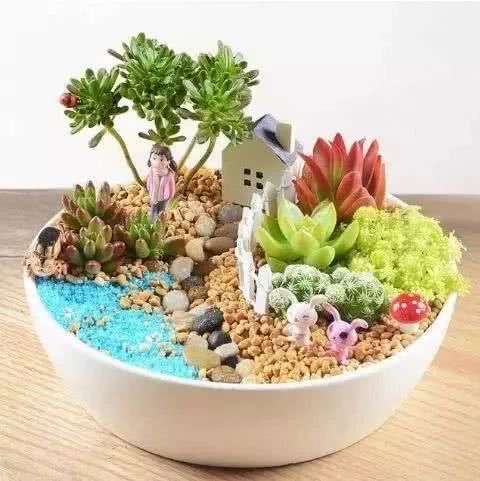
A succulent arrangement done in five minutes, teaching you how to create a colorful and varied display
The best viewing period for sedums is autumn and winter, so planting in autumn is recommended, as you can enjoy them for a longer time, followed by winter. Unless you live in a city where it feels like spring all year round, try to avoid spring, because summer will soon arrive with its harsh conditions...
-
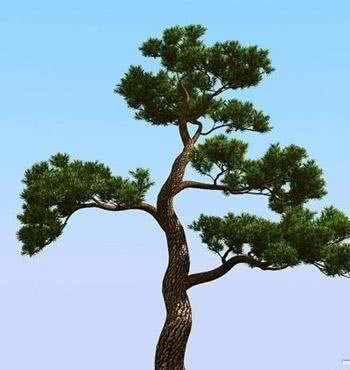
What are the characteristics of Huashan pine bonsai? Beautiful tree forms with varied styles
In China, the pine is a plant rich in symbolic meaning, cold-resistant and tough, and together with bamboo and plum it is known as the "Three Friends of Winter." Besides growing pines naturally in courtyards, pines are also often used to make bonsai, among which Huashan pine bonsai, because of its beautiful tree form...
条件筛选