-

Detailed Explanation of the Understory Seedling Cultivation Method for Taxus wallichiana var. mairei
Scientific and technical personnel at the Forestry Research Institute of Xinning County, Hunan Province began experimental research on Taxus wallichiana var. mairei seedling cultivation in 1978, and through scientific experimentation developed a set of locally adapted pine forest understory seedling cultivation methods. This method can effectively save labor and reduce production costs. According to estimates, cultivating seedlings under a pine forest can save 40 workdays per mu compared with open-field seedling cultivation for tasks such as transporting mycorrhizal soil, pulling weeds, building shade frames, and drought protection, as well as save 1,200 yuan in expenses for shade frame materials, reducing production costs by 1,500 to 2,000 yuan per mu. Moreover, understory seedling cultivation has
-
Grafting Propagation Technique for Pinus sylvestris var. mongolica Grafted with Korean Pine (Pinus koraiensis)
Pinus sylvestris var. mongolica has strong adaptability, is cold-resistant, drought-tolerant, and tolerant of poor soil. Using Pinus sylvestris var. mongolica as rootstock to graft Korean pine (Pinus koraiensis) brings earlier flowering and fruiting, rapid orchard establishment, and good results. 1 Preparation of scions 1.1 Selection of mother trees Select superior mother trees as scion sources. Within the chosen area, measure the tree height, diameter at breast height, crown width, fruiting layer thickness, number of young cones, number of cones, and male and female flower quantities of each clone individual. At the same time, conduct individual tree seed collection, and test cone number, cone weight, seed yield, seed extraction rate, kernel rate, empty shell rate, pest damage rate, 1000-seed weight, as well as cone length and width.
-
Technical key points for converting young Scots pine (Pinus sylvestris var. mongolica) stands into Korean pine (Pinus koraiensis) nut orchards
In recent years, the establishment of Korean pine dual-purpose nut and timber forests and Korean pine nut orchards has developed rapidly in Heilongjiang and Jilin provinces of China. In some places, developing Korean pine nut orchards has become a path to prosperity, and relatively large-scale Korean pine nut orchards have been established one after another. However, due to deviations in people's understanding, the selection of superior scions for grafting to establish orchards has been neglected, and the scions selected are rarely improved varieties that have undergone identification. Establishing Korean pine nut orchards without such selection cannot guarantee the yield and quality of seeds and nuts, let alone early fruiting, high yield, and stable yield. Practice has proven that using young Scots pine
-
Introduction to the Propagation Methods of the Chinese Yew (Taxus wallichiana var. mairei)
Select a suitable nursery site: choose a fertile, loose, neutral or slightly acidic soil plot with good drainage, preferably a plot within woodland or a semi-shaded fertile plot. Apply sufficient base fertilizer, rake level, and prepare the beds ready for planting. Seed propagation: the seeds mature in October. After timely harvesting, place them in a mixture of water and fine sand (water-to-sand ratio 2:1). Rub the seeds on a washboard to remove the outer seed coat and wear down the hard fleshy seed coat. Choose a shady, dry plot that does not accumulate water, dig a pit, and store the seeds in the pit mixed with damp river sand at a 1:2 ratio. Take them out in March of the following year
-
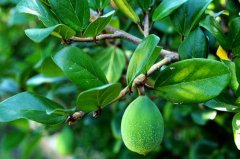
What is jelly fig (Ficus pumila var. awkeotsang) and how is it grown, and what new variety seeds are available?
Where does jelly fig usually grow, and can it also be planted at low altitude? Let's take a look. What characteristics does it have? It seems jelly fig has been bred into new seeds, so let's find out about that too. Jelly fig is a plant unique to Taiwan, mainly divided
-
Control Methods for Boxwood (Buxus sinica var. parvifolia) Wilt Disease
Boxwood wilt disease has been a common disease of boxwood in recent years. It is characterized by rapid onset, fast spread, and a major impact on landscaping effects. Although this disease is stubborn, if correct measures are taken, targeting the pathogen and applying multiple approaches simultaneously, satisfactory control results can still be achieved. Symptoms: Initially, only the upper three leaves of a single branch of an affected boxwood turn green and dry out from water loss, and then the entire branch and three branches of the whole plant show green wilt and water-loss symptoms. In the late stage of the disease, the three leaves turn yellow-white, and severe infection can lead to plant death. Disease occurrence pattern
-
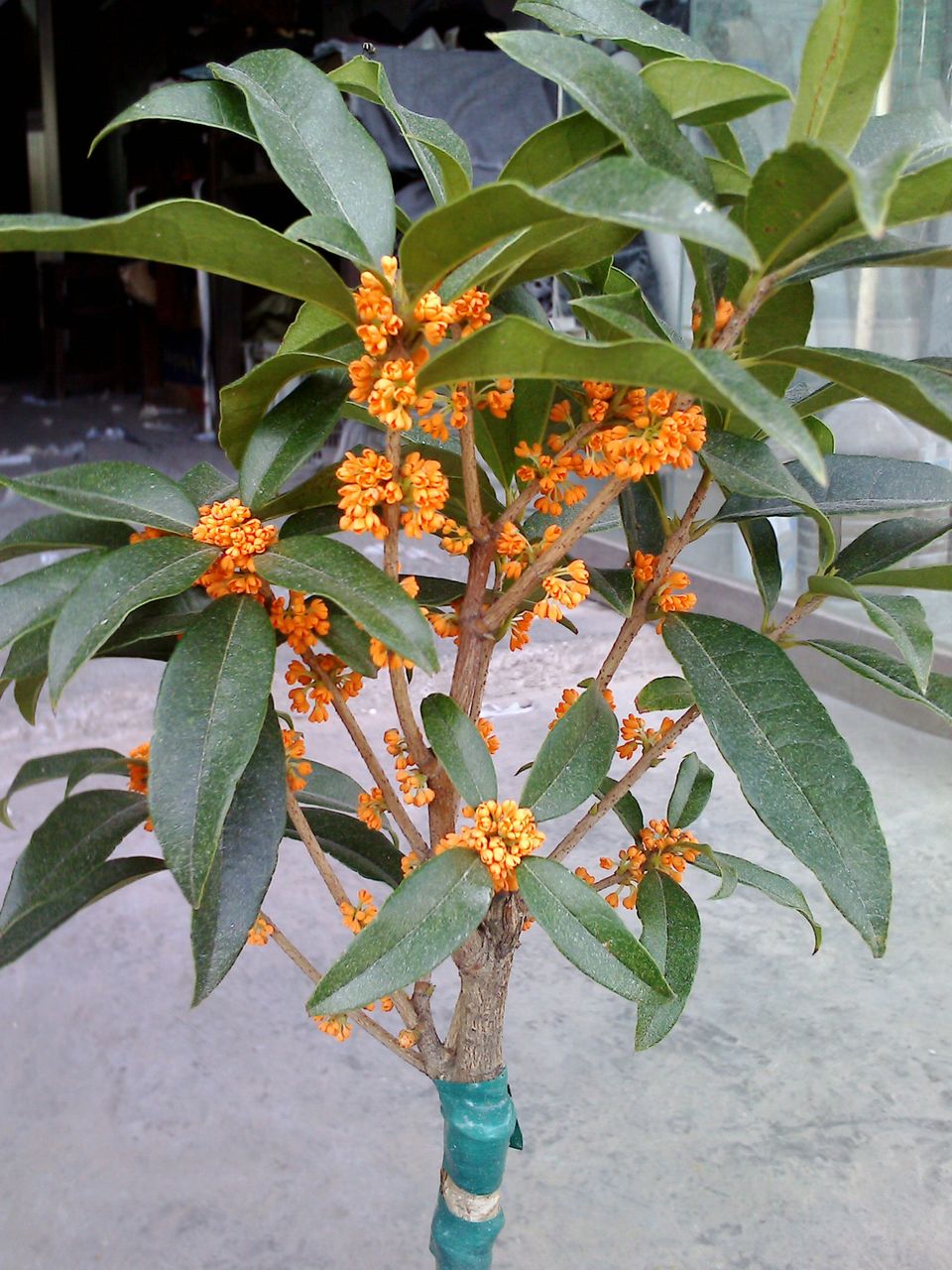
How to grow Osmanthus fragrans var. semperflorens? Cultivation methods and precautions explained in one article
Osmanthus fragrans var. semperflorens is a precious flower in China, not only widely admired by viewers but also of high economic value, deeply loved by people. However, growing Osmanthus fragrans var. semperflorens well is not so easy. How to cultivate it should start from the following five aspects. Choose good potting soil
-
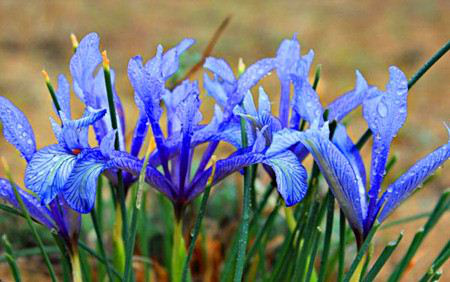
A Detailed Guide to the Propagation Methods and Key Techniques of Iris lactea var. chinensis
The seeds of wild Iris lactea var. chinensis are very vigorous. Usually after the fruit ripens in August and September, the seeds scatter with the wind, then fall to the ground and grow and germinate on their own. If propagated artificially, the survival rate of direct sowing is relatively low. Therefore, artificial cultivation of Iris lactea var. chinensis mostly adopts the method of division and transplanting for propagation.
-
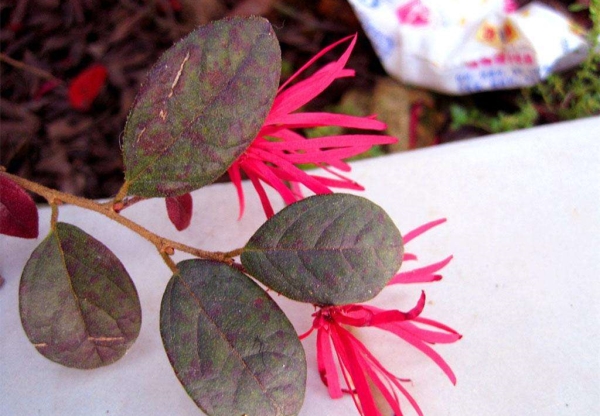
A Detailed Guide to Controlling Diseases of the Chinese Fringe Flower (Loropetalum chinense var. rubrum)
For anthracnose, if diseased leaves are found on the Chinese fringe flower, we should deal with them immediately, destroy the diseased leaves to prevent infection, improve drainage conditions, create a good ventilation environment, and carry out chemical treatment. For damping-off, we should replace the soil of the Chinese fringe flower and replant it in new soil.
-
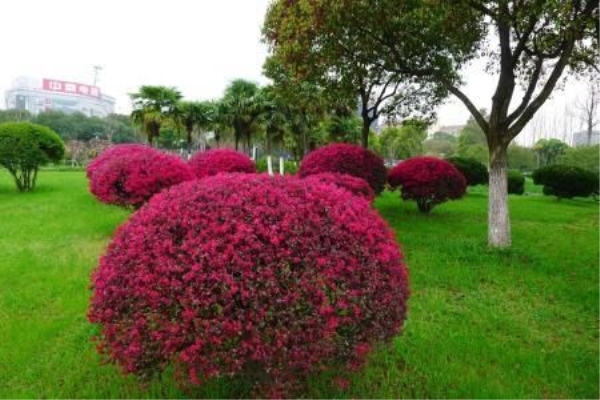
What are the precautions for growing Chinese fringeflower (Loropetalum chinense var. rubrum)?
When growing Chinese fringeflower, it needs to be repotted regularly. When repotting, the soil can be changed to provide the plant with sufficient nutrients. Note that when potting up, water thoroughly. Moreover, Chinese fringeflower has strong sprouting ability and grows quickly, so it needs to be pruned to control the plant shape and maintain its high ornamental value.
条件筛选