-

Detailed explanation of the causes of chive lodging and the control methods
Causes of chive lodging and the control methods
-

What causes deformed oyster mushrooms? With control methods
Causes of deformed oyster mushrooms and control methods
-
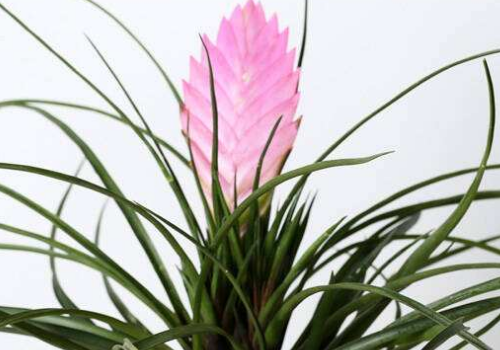
A Detailed Guide to the Benefits, Uses and Propagation Methods of Tillandsia
Tillandsia is a relatively uncommon plant in everyday life. What are the benefits and uses of Tillandsia? How do you propagate it? Benefits and uses of Tillandsia: ornamental value. Tillandsia belongs to the Bromeliaceae family, and these plants usually have a novel and elegant form. As an important variety within the Bromeliaceae family, Tillandsia also has quite high ornamental value.
-

What to Do If Silkworms Do Not Spin Cocoons? Cause Analysis and Control Methods
I. Causes of silkworms not spinning cocoons: 1. Pathological factors. For example, pebrine and flacherie are prone to infection and disease before mounting, which destroys the silk gland secretion function of silkworms, or the pathogens produce large amounts of toxic metabolites in the silkworm body, paralyzing the silkworm's nerves and preventing them from spinning silk and forming cocoons; 2. Physiological factors. The first is abnormality of the middle silk gland, mainly caused by rearing temperature being too high or too low, leaf quality being too tender, secretory gland disorder, etc., causing silk gland abnormality and preventing spinning; the second is abnormality of the anterior silk gland, mainly because during rearing
-
What to Do When Straw Mushroom Mycelium Shrinks? Causes and Control Methods
1. Using inferior spawn: Spawn that is too old or too young, degenerated spawn, weak mycelial vitality, poor stress resistance, or spawn stored for a long time in environments with temperatures that are too low or too high can all lead to failure to germinate after spawning and shrinkage of mycelium in the spawn blocks. Control: Select spawn of the appropriate age and high quality, and ensure the temperature during the cultivation process does not get too low. 2. Improper control of compost temperature: When the air temperature is high, the compost is too thick, and the mushroom house has good insulation, the temperature inside the compost after spawning exceeds 42°C for an extended period, which causes mycelium to shrink and die, resulting in burning of the mycelium.
-
Causes of Deformed Mushrooms in Agaricus bisporus and Their Prevention and Control Methods
1. Deformed mushrooms. When ventilation is poor and the carbon dioxide content in the mushroom house exceeds 0.3%, deformed mushrooms are likely to appear. If the fruiting position is too deep, mushrooms growing between the cracks of the coarse soil also tend to be deformed. The key to prevention and control is to pay attention to ventilation and air exchange in the mushroom house. 2. Red root mushrooms. Slightly acidic cultivation material, a high-temperature stage before fruiting, excessive water content in the casing soil layer, excessive application of glucose as a supplemental fertilizer, and poor ventilation in the mushroom house can all easily lead to red root mushrooms. The pH of the compost should be properly adjusted, the water content of the casing soil should be maintained at 22%-25%, watering should be avoided during high temperatures, and the concentration of supplemental fertilizer should be appropriate.
-
What to Do About Postpartum Eclampsia in Dogs? Causes and Prevention and Treatment Methods
It is caused by a drop in the bitch's blood calcium concentration after giving birth. Clinically, symptoms such as tonic or intermittent muscle spasms and elevated body temperature may be seen. Treatment focuses mainly on supplementing blood calcium. [Prescription 1] 10% Calcium Gluconate Injection 10-30 ml - 5% Glucose Saline 250-SOO ml. Directions: slow intravenous injection once. [Prescription 2] Vitamin D Calcium Colloid Injection 1-3 ml. Directions: intramuscular injection or Pishu acupoint injection once.
-
Causes and Prevention and Control Methods of Duck Hemorrhagic Disease
Duck hemorrhagic disease is an infectious disease caused by a novel herpesvirus (Duck herpesvirus type II) that can infect ducks of all breeds and all ages. Because the feather shafts of both wings, the tip of the upper beak, and the tips of the claws and webbed feet of affected ducks often bleed and appear purplish-black, it is commonly known as duck "black feather disease," duck "black shaft disease," and duck "purple beak and black foot disease"; based on the characteristic necropsy lesions of the disease, it is also called duck hemorrhagic disease. At present, the disease occurs in several southern provinces of China, including Fujian, Guangdong, and Zhejiang, and affected duck flocks are prone to concurrent or secondary bacterial infectious diseases (such as duck infectious serositis
-
Causes and Control Methods of Potato Green Skin Disorder
[Disease Diagnosis] It mainly occurs on tubers in the late growth stage or during storage. In the field, after some tubers arch out of the soil surface and are exposed to sunlight, the surface tissue turns from yellow to green. The area of greening varies depending on the size of the exposed area. The green tissue can extend into the interior of the tuber and is often accompanied by purple pigment deposition. During storage, when tubers are exposed to natural light, the surface also turns green, sometimes even affecting deep tissues. Usually this greening will not recover by returning the tubers to dark storage. [Cause] This disease is physiological
-
How Should Fishery Drugs Be Used Correctly? Key Methods Explained
With the rapid development of the aquaculture industry, disease prevention and control problems have become increasingly prominent, making it especially important to master the correct methods of using fishery drugs. 1. Apply fishery drugs according to the symptoms. ① Poisoning syndromes, including pesticide poisoning, red tide poisoning, seaweed poisoning, fishery drug poisoning, etc. Different poisoning situations require different handling methods. ② Malnutrition, which is chronic and long-lasting; high-quality feed should be selected, and it must not be misdiagnosed as other diseases. ③ Bacterial-like diseases have the same symptoms as bacterial diseases, and most antibiotics are effective. ④ For viral diseases there is almost
条件筛选