-

What causes stunted cotton seedlings? A detailed explanation of prevention and control methods
During the transplanting period, cotton is often affected by abnormal weather, weak seedlings, inadequate cultivation measures and other factors, which cause a long slow-seedling period and stunted growth after transplanting, delaying the cotton's growth process and reducing cotton yield. The causes of stunted cotton seedlings and their prevention and control are described below: 1. Causes. 1. Poor cotton seedling quality. ① Insufficient fertilization of the seedbed produces small, weak seedlings with poor growth vigor that establish slowly. ② Improper seedbed management produces leggy seedlings or overgrown seedlings, which lose too much water after transplanting and suffer severe transplanting injury. 2. Unsuitable temperature. In many places
-
Causes of soft rot and nest rot in Gastrodia elata and prevention methods
Soft rot and nest rot in Gastrodia elata is one of the reasons for low and unstable yields in Gastrodia elata cultivation. In the small tubers, white tubers and arrow tubers affected by soft rot, the tuber skin turns yellow and withered, the central tissue decays, and a foul-smelling white milky fluid oozes from the cut surface of the tuber. In the rotting nests of Gastrodia elata and inside the tubers, the rhizomorphs of Armillaria mellea are luxuriant and dense. Gastrodia elata depends on Armillaria mellea for growth, so why does soft rot and nest rot occur, and why is the area beneath the tuber skin filled with Armillaria mellea mycelium? To explore this question, we should start with the nutritional ecology of Gastrodia elata. Gastrodia elata has no roots and no green leaves, its autotrophic organs are degenerated, and it relies on Armillaria mellea
-
Causes of Gastrodia elata trait degeneration and control methods
Degeneration of Gastrodia elata traits usually manifests as a decline in the yield of arrow gastrodia, with the individuals becoming smaller and slender; the yields of rice gastrodia and white gastrodia drop substantially, the tubers turn ginger-yellow or light brown, stress resistance is poor, and the original yield and traits cannot be fully expressed. The causes are generally as follows: 1. Multiple generations of asexual propagation. Degeneration generally begins to appear after 5 to 6 generations of asexual propagation, but the speed of degeneration differs when cultivated on different soils; degeneration is slower when cultivated on granite soil, followed by yellow-brown earth sandy soil parent material, and the acidic soil formed by the weathering of shale or limestone.
-
What are the commonly used processing methods for Gastrodia elata?
The processing of Gastrodia elata must be done carefully and meticulously; otherwise, the good Gastrodia elata that was cultivated through hard work will be processed into inferior products, and all the effort will be wasted, failing to achieve good economic returns. There are 3 commonly used methods for processing Gastrodia elata: 1) Basket steaming method: the method of steaming Gastrodia elata in a basket is called the basket steaming method. Gastrodia elata processed by this method has bright color and the best quality. That is, wash the Gastrodia elata clean of surface soil with clean water, divide it into large, medium and small grades, place them separately in a ground basket and steam for 10-20 minutes; the small ones should be steamed for a shorter time, and the large ones slightly longer, with the degree of being steamed through and having no white core as the standard. 2) Rice-washing water boiling method: use 5
-
What to Do When Oyster Mushrooms Grow Green Mold? Causes and Control Methods
Recently, Li Zhibao, an oyster mushroom grower from Zhumiao Village, Nancheng Town, Xiajin County, Shandong Province, called for advice: This year the oyster mushroom market is good, with a wholesale price of 1.5 yuan/jin, so he invested 20,000 jin of substrate at once to cultivate oyster mushrooms, but now some green things have grown on the oyster mushroom cultivation bags. Experienced people say it is green mold, and he does not know what to do. The author's reply is as follows: Green mold is a major disease in edible mushroom cultivation, mainly occurring on mushroom blocks that have not yet been colonized or on culture substrate that has not been thoroughly sterilized. Green mold is prone to breeding in acidic and relatively humid environments. Its spores spread through the air
-
What to Do When Oyster Mushroom Mycelium Breaks or Degenerates? Causes and Prevention Methods
After inoculation, normally growing mycelium is dense and pure white, advancing forward in a fan shape, and the cottonseed hull substrate decomposed by the mycelium turns yellowish-brown. If a section of mycelium breaks and becomes disconnected, it is called "mycelium break." This situation is caused by excessive water content in the substrate and high temperatures during cultivation. Choosing appropriate humidity and temperature can prevent the "mycelium break" phenomenon. The degeneration and shrinkage of mycelium that has already grown well on the substrate is called "mycelium degeneration." If the substrate is too dry and too loose, the mycelium that grows will be thin and weak; excessively high temperatures during cultivation, poor ventilation, or pest infestation
-
Causes of Runting in Raccoon Dogs and Its Prevention and Treatment Methods
Runted raccoon dogs are those that fail to develop into commercial raccoon dogs during the growing period after weaning and separation from the litter. They present with no visible growth, small body size, emaciation, and a ruffled coat; by the growing period they reach only 2.5-3.5 kg, and at market time only inferior-quality skins can be obtained. 1 Causes of runting in raccoon dogs 1.1 Unreasonable feed formulation and incomplete nutritional value. Keepers, in an attempt to save money, feed only corn or mix in very little other feed. Because the feed is severely deficient in nutrients and cannot meet the growth needs of raccoon dogs, the animals fail to grow, and this is the most important
-
How to prevent and control red and white plastron disease in soft-shelled turtles? Detailed explanation of causes and prevention methods
Red and white plastron disease in soft-shelled turtles (commonly known as red plastron and white plastron disease) has been a relatively serious turtle disease in China in recent years, and so far there is still no ideal treatment method. However, through efforts in various aspects, the main pathogens and disease onset conditions of red and white plastron disease have basically been identified, and breakthrough progress has been made in prevention, especially in research on disease prevention with Chinese herbal medicines and immune vaccines, laying a foundation for controlling the occurrence of red and white plastron disease in the future. Based on relevant domestic research and my own practice, the author introduces the occurrence and prevention of red and white plastron disease as follows, for reference and application by interested parties.
-
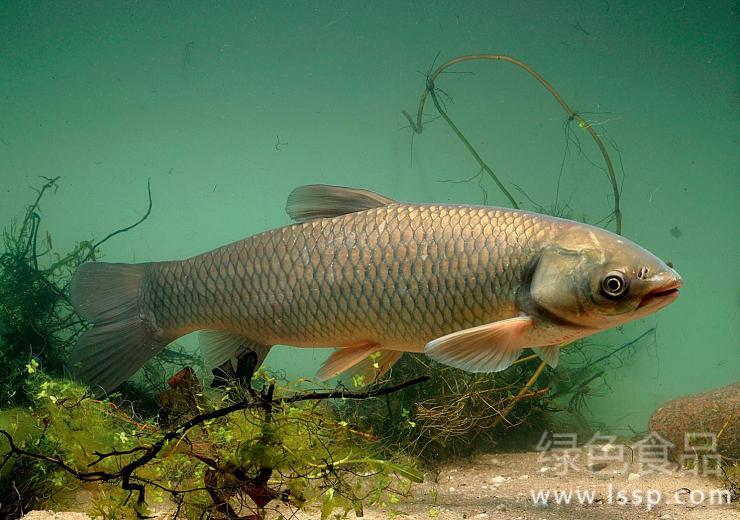
Causes of Death in Grass Carp from Enteritis and Prevention and Treatment Methods
Enteritis disease causing grass carp deaths: prevention and treatment methods for grass carp enteritis
-
Detailed Explanation of Garlic Disease Types, Causes, and Prevention and Control Methods
I. Types of Garlic Diseases 1. Round leaf (also called barrel) This disease mainly manifests during the period before the garlic scape emerges; the leaves at the top of the garlic form a barrel shape that tightly wraps the garlic scape inside the barrel, causing the scape to become enclosed or broken. 2. Garlic branching That is, multiple branches on one plant, like grandfather and grandson, with nutrients dispersed; the main garlic scape lacks sufficient nutrients and is thin and short. 3. Spots This disease mainly manifests before the garlic scape bolts; spots appear on the surface of the garlic scape, including white spots, yellow spots, and red spots, causing the garlic scape to rot or become moldy. 4. Garlic glume turning red or flowering
条件筛选