-

Detailed Explanation of the Causes of Chicken Pecking at the Trough and the Control Methods
I. Causes 1. Excessive stocking density. When the stocking density is too high and there are not enough water troughs and feed troughs, the flock competes for water and feed, causing some chickens to suffer nutritional deficiencies in their bodies, making them prone to pecking vice. 2. Improper regulation of the chicken house environment. If the air inside the chicken house is foul and harmful gases exceed the standard, the flock will become restless and irritable and develop pecking vice; uneven temperature, with sudden cold and heat, will cause great stress to the flock and lead to pecking vice. 3. Unreasonable dietary nutrition. If the animal protein content in the diet is insufficient, or the amino acids are imbalanced, the flock cannot effectively
-
Causes and Control Methods of Pelargonium Leaf Curl Disease
Pelargonium leaf curl disease, also known as Pelargonium crinkle disease, is a viral disease that has only been found in the Shanghai area. Symptoms: The leaves of infected plants curl downward and become stunted. In severe cases, the plants die. Pathogen: The pathogen is Pelargonium leaf curl virus (PLCV). Disease pattern: The virus is transmitted by sap, grafting and soil; no vector insect has been found. In summer and autumn, the symptoms of the disease are not obvious, and the residual virus-carrying plant debris from pruning can spread the virus.
-
Causes of Secondary Growth in Potatoes and Control Methods
Nilka County has a narrow and long terrain with a cool climate, suitable for the growth of cold-loving crops. Potatoes have always been the dominant main crop in the area. Through years of in-depth investigation and research, technicians have identified the causes of secondary growth in potatoes and the corresponding solutions. I. Secondary growth in potatoes In early August 2003, in Village 5 of Nilka Town, 1.3 hectares of potatoes sown in late April had tubers that had swollen to the size of eggs, the buds on the new tubers sprouted, and small tubers the size of a thumb grew out, while the new tubers grew and aged, no longer continuing to expand.
-
Analysis of the Causes of Abundant Yellow Mushrooms and Prevention and Control Methods
The main causes are improper management during the low-temperature season. During the low-temperature season, the humidity inside the mushroom shed may be too high, with excessive watering, and too much free water adhering to the mushroom bodies. After absorbing water, it cannot evaporate, which weakens the metabolism of the mushroom bodies, causing various pathogens to take advantage of the opportunity, multiply in large numbers, and trigger various diseases of the fruiting bodies; continuous low-temperature weather causes the temperature inside the mushroom shed to be too low, and the edible fungus fruiting bodies remain in a poor living environment for a long time, leading to disease; some edible fungus varieties are at the 3rd to 4th flush during the fruiting period, and the nutrient supply in the fungus bags is insufficient. After budding, the
-
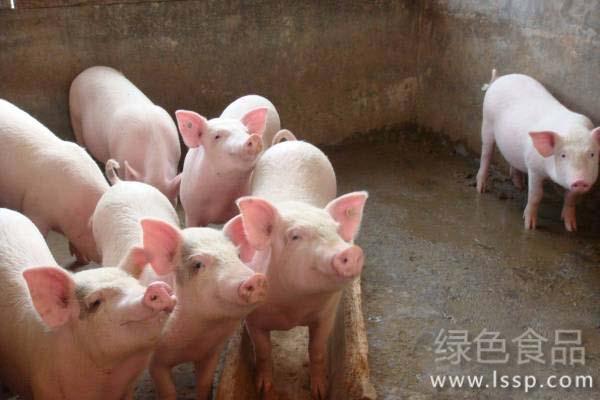
How to treat nutritional anemia in piglets? Detailed explanation of causes and treatment methods
Causes and treatment methods of nutritional anemia in piglets
-
Causes and Control Methods of Deformed Mushrooms in Greenhouses
1. Hollow white-stem mushrooms. The mushroom stems become loose and white, and in severe cases shrink to form a hollow center. Causes: during the fruiting body growth stage, it is caused by dry air and high temperatures. When the relative air humidity is below 85%, the water content of the casing soil layer is relatively low, and the temperature inside the mushroom house is above 18°C, the mushrooms grow quickly and evaporate water quickly, causing the water absorbed by the mushroom body to be less than the water lost through transpiration. Control methods: spray water promptly during the day to keep the relative air humidity at 90%, and ventilate promptly after spraying water in the morning and evening to lower the greenhouse temperature, keeping it at 14-
-
Reasonable Use Methods and Key Points of Feed Additives for Deer
Feed additives are classified into nutritional additives and non-nutritional additives. Commonly used nutritional additives for deer include: mineral additives, vitamin additives, amino acid additives, etc.; commonly used non-nutritional additives include: Chinese herbal medicine additives, probiotics, silage improvers, enzyme preparations, antibiotic additives, appetite stimulants, etc. There are many types of feed additives with different properties, and the dosage is very small. Using them directly in feed is not only technically difficult, but also makes it hard to guarantee the effect. Generally, additives are added to carriers or diluents to produce various
-
Causes and Control Methods of Silkworm White Muscardine
Silkworm white muscardine is caused by Beauveria bassiana entering the silkworm body through the skin. The route of infection is contact transmission. After the silkworm dies, the body is first soft and then hard, covered entirely with white conidia, and is called a "white muscardine silkworm." Beauveria bassiana prefers moisture and fears dryness; in humid places and rainy seasons, silkworms are very prone to the disease. If disinfection and disease prevention work is neglected during the silkworm rearing period, it will cause a major outbreak of white muscardine. Causes of silkworm white muscardine ① The rearing rooms and rearing tools for cooperative rearing of young silkworms were not thoroughly disinfected according to the prescribed standards, and the residual amount of Beauveria bassiana was high.
-
Causes and Control Methods of Sunscald in Schisandra chinensis
Sunscald on Schisandra chinensis fruit is a common physiological disorder that causes certain losses in production every year. With global climate warming, this disease tends to worsen year by year. 1. Disease symptoms Sunscald in Schisandra chinensis mainly affects the fruit. The sunscald sites often appear blistered, with sunken necrotic spots, lignification, hardened lesions, or necrotic spots in the flesh tissue. The surface of affected berries initially turns white (yellow or pink), then becomes black-yellow to brown. When sunscald is severe, sunken necrotic spots appear in the flesh tissue, localized flesh tissue becomes necrotic, and the affected areas are prone to infection by other fruit rot pathogens, causing fruit decay.
-
Causes and Prevention Methods of Stunted Raccoon Dogs
Stunted raccoon dogs refer to commercial raccoon dogs that cannot be raised to marketable size during the growing period after weaning and separation from the litter, showing no growth, small body size, being all skin and bones, and with messy fur, only reaching 2.5-3.5 kg by the growing period. Causes: There are many reasons for the formation of stunted raccoon dogs, generally as follows: unreasonable nutritional combination and incomplete nutritional value are the main causes of stunted raccoon dogs. Breeders try to save money and feed only cornmeal or with very little other feed. Because the feed is severely lacking in nutrition and cannot meet the growth needs of raccoon dogs, the raccoon dogs do not grow and become stunted.
条件筛选