-
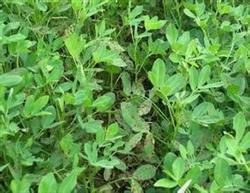
Causes and Control Methods of Peanut Witches' Broom Disease
What causes peanut witches' broom disease? How to prevent and control it? (1) Disease pattern: Peanut witches' broom disease may be caused by a mycoplasma-like organism or a complex infection of mycoplasma-like organisms and viruses. Neither seeds nor soil transmit the disease, but grafting can transmit it. Whether other insects and sap can transmit the virus is still under study. The occurrence of peanut witches' broom disease...
-
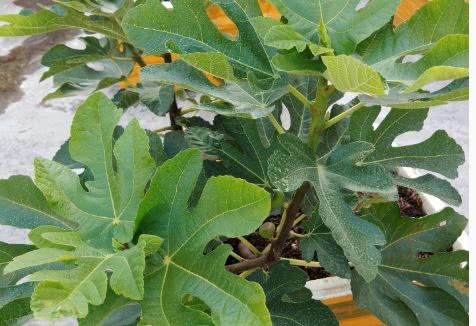
Use these two simple methods to grow figs, and they will be lush and leafy in one year, and covered with fruit the next year
Fig fruits are sweet and delicious, especially rich in nutrients, and relatively easy to grow. They are one of the potted fruits especially suitable for growing on balconies and terraces. Many friends want to grow a fig, but actually there is no need to buy seedlings, because you can use...
-
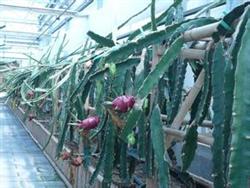
What are the greenhouse cultivation methods for dragon fruit?
1. Greenhouse construction. The greenhouse can use the "Langfang Type 40 solar greenhouse", which has the characteristics of high light transmittance, strong heat preservation, and low construction cost. The greenhouse covers 80m east-west and 18m north-south. The greenhouse facing south by west 5°-100° is favorable for lighting. The back wall of the greenhouse is 2.8m high, with a bottom width of 4.5m,...
-
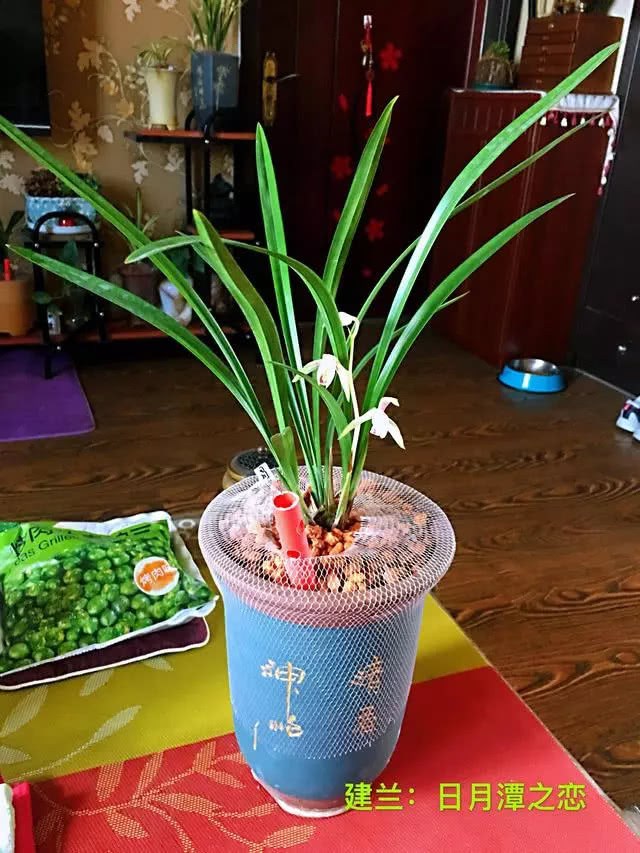
Orchids grow poorly in autumn; use the "humble care" method and add 1 ingredient to the pot, and the shoots will grow vigorously and not attract pests
Orchids have long been known by the fine name "gentleman." In ancient times, many literati and scholars praised orchids with poems, songs, and prose, and of course, the elegant flowers of the orchid plant also naturally appeared in the works of painters. But nowadays, even if they are not literati...
-
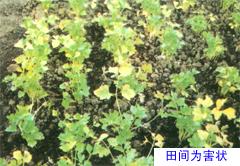
What causes celery heart rot? Detailed explanation of causes and control methods
What is celery fusarium wilt and how should it be controlled? 1. Use disease-free seeds or disinfect the seeds. When selecting mother plants for seed production, care should be taken to choose plants with disease-free petioles and stems and leaves, so as to avoid carrying the pathogen. Using old seeds more than 2 years old has a certain disease-prevention effect. If using new seeds from the previous year, the seeds must be disinfected; you can use 48-4...
-
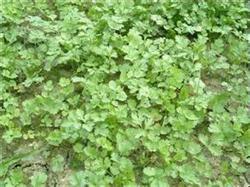
Detailed Explanation of Greenhouse Cilantro Cultivation Methods and Technical Points
I. Sowing Cilantro is generally sown from late October to early December. After sowing cilantro and before emergence, apply 250 to 300 grams of 25% nitrofen wettable powder, or 100 to 200 grams of 50% prometryn wettable powder, per mu, mixed with 75 to 90 kg of water, stir evenly, and spray on the bed surface, which can achieve good weed control...
-
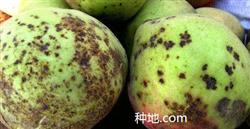
What disease causes black spots on peach fruit? A detailed guide to prevention and control methods
What disease causes large numbers of black spots on peaches? How should it be prevented and controlled? The main symptoms of peach scab are: peach scab mainly damages the fruit, but can also attack leaves and new shoots. When the fruit is affected, dark brown round spots usually appear on the shoulder, gradually expanding to 2-3 mm, then becoming black mole-like spots,...
-

What to Do About Empty Chestnut Burrs? Causes and Control Methods Explained
Causes of Empty Chestnut Burrs and How to Prevent and Control Them
-

-
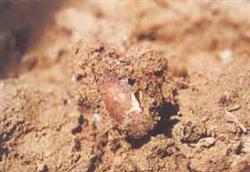
What to Do About Seed Rot in Spring Peanuts? Detailed Explanation of Causes and Control Methods
Symptoms: After spring peanuts are sown and before emergence, seed rot often occurs, with severe cases reaching 10%-20%, causing varying degrees of missing plants and broken rows. Causes: Poor seed quality or improper storage, or overly long storage periods; low-lying geothermal areas, heavy clay soil, poor soil texture, high soil water content, long emergence time for seeds, poorly firmed seedbed preparation, affecting...
条件筛选