-
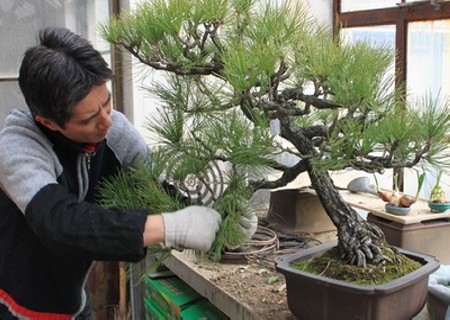
Detailed Tutorial on How to Create Shanghai-Style Bonsai
Everyone knows that if we want to do anything well, we cannot act blindly; we must think it through carefully before proceeding, so that we can achieve twice the result with half the effort. Otherwise, haste makes waste. Take bonsai creation, for example. To create a successful and satisfying work, besides doing the preparatory work in advance
-
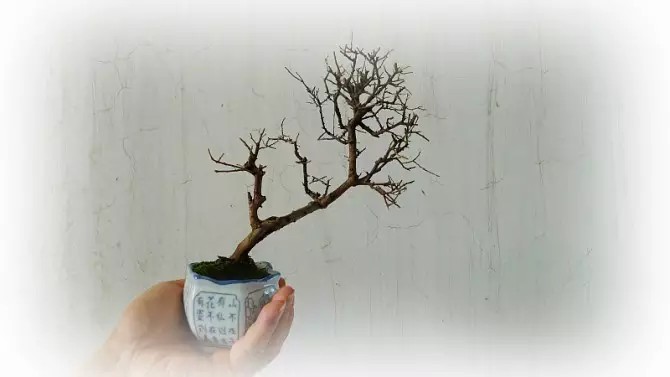
How do you make a miniature bonsai? This tutorial shows you step by step
Actually, making a miniature bonsai is not difficult. As long as you are interested, you will succeed through practice! First, find the miniature pot and stand you bought in advance. These are the necessary tools, and once the pot and stand are chosen, select the material that has been successfully cultivated. Here I chose this small Sageretia thea (Chinese sweet plum) and dug it up.
-
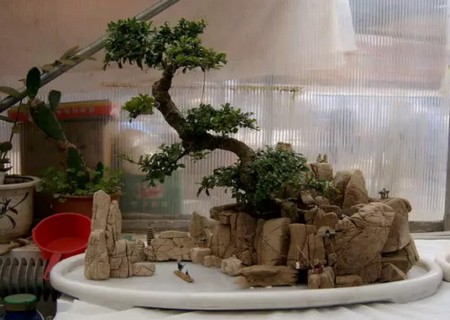
Illustrated Tutorial on How to Make a Tree-Rock Water-and-Land Penjing
Tree-rock water-and-land penjing uses plants, rocks and growing medium as materials, applying respectively the creative techniques of tree penjing and landscape penjing, combining them into a scene according to a conceived theme, and carefully shaping the terrain and landforms, dotting them with ornaments such as pavilions, boats and carts, cattle and horses, and human figures, to represent a water area in a pot
-
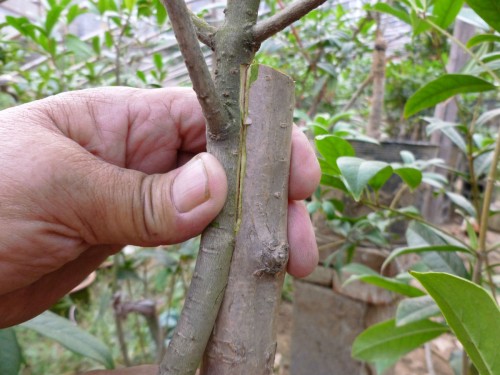
Illustrated Tutorial on the Approach Grafting Method for Stump Bonsai Head Roots
For stump bonsai grafting, the approach grafting method and the cleft grafting method are used. In North China, approach grafting can be carried out from May to August, and the best time is from before the dog days to the third dog days. With outdoor care, success is generally achieved in just over two months. Cleft grafting is carried out in late March when Chinese ash and osmanthus begin to sprout. After grafting, place them in a sunny shed to prevent wind from causing water loss.
-

How to make a Shangshui stone bonsai? A detailed step-by-step tutorial
Shangshui stone is also called water-absorbing stone (a natural air purifier). It is called this because after water is stored in the pot, Shangshui stone can absorb it to the top in an instant. Wild grass and moss can be planted on the stone, making it verdant and lush; it is an excellent stone material for making bonsai. In essence, Shangshui stone is sand-accumulated stone, loose and brittle, with particularly strong water absorption.
-
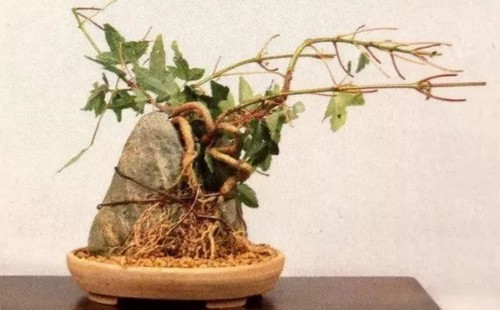
How to make a semi-root-over-rock bonsai? Detailed step-by-step tutorial shared
Root-over-rock bonsai is a bonsai presentation form that integrates plants and rocks into one. Usually, root-over-rock bonsai is divided into two forms: full root-over-rock and semi-root-over-rock. In full root-over-rock, all the tree roots attach to the rock, while in semi-root-over-rock, the tree roots simply grow while embracing the rock.
-
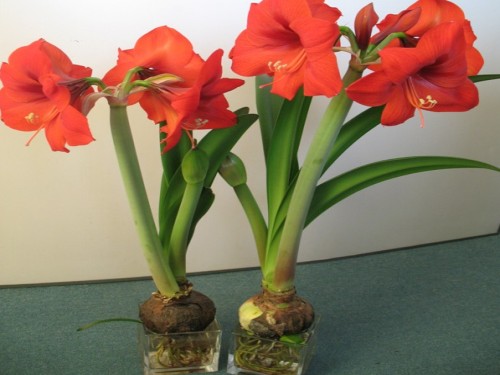
A detailed guide to growing Hippeastrum (amaryllis) in water, a step-by-step tutorial
In the blooming season where spring meets summer, the Hippeastrum delights the eye with two flowers borne opposite each other on the scape. Its blooms are large and brightly colored, funnel-shaped and much like a lily, making it highly ornamental. The Hippeastrum, also known as amaryllis, is a perennial herbaceous flower of the Amaryllidaceae family.
-
How to repot a maple bonsai? Repotting method illustrated tutorial
April is a good time to repot bonsai. Potted trees grow in limited potting soil; after a certain number of years, the fertility is exhausted, the soil layer becomes compacted, the roots are densely packed and squeeze each other, and new roots struggle to grow. It is best to switch to a larger pot and fill it with fresh soil (changing the soil without changing the pot is also fine) to ensure the normal growth of the potted tree
-
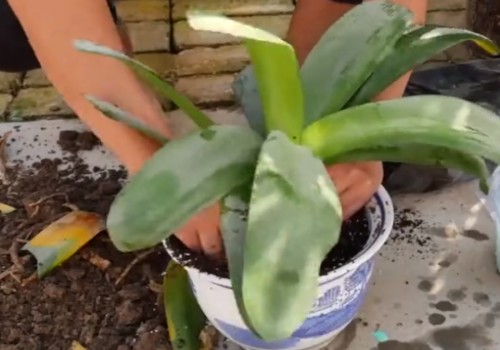
How to replant a Clivia after root rot? Detailed illustrated tutorial
Whether grown for its flowers or its foliage, Clivia has high ornamental value, but if watering is excessive, fertilizing is too heavy, or other care and management practices are improper, potted Clivia is also quite prone to root rot. Once Clivia root rot occurs, we need to take timely rescue measures
-
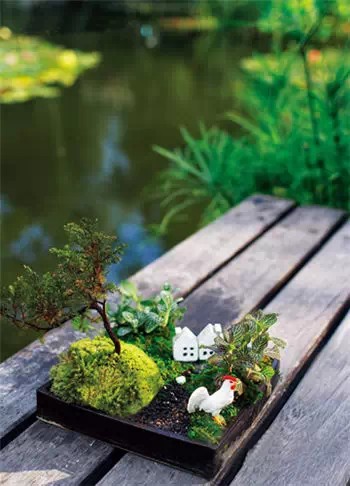
How to make a countryside path bonsai? Detailed tutorial shared
The countryside path bonsai is still made with the most ordinary green plants, and with the addition of a house and a rooster, it looks just like a prosperous rural scene. Materials: garden pine, nerve plant (Fittonia), moss. Making: First spread a layer of ceramic stones on the bottom of the pot, then add soil, and leave the shape of a path; plant garden pine and nerve plant in separate sections
条件筛选