-

What is the best soil for tree stump bonsai? Latest soil mix recommendations
Factors that soil possesses: Besides different plants requiring different soils, their growing environment is also a factor in choosing soil. In fact, the growth of tree stump bonsai is mainly affected by the air, water, and nutrients in the soil, so what kind of
-
What kind of tree stump is best for bonsai right now? Learn these three points!
Choosing the species: If you want to appreciate the stump, you cannot just pick a plant with luxuriant branches and leaves; it is best to choose species with twisted trunks, relatively small leaves, but relatively abundant flowers and heavy loads of fruit. For example: firethorn (Pyracantha), nandina (Nandina domestica), Mahonia (Mahonia fortunei), Elaeagnus (Elaeagnus pungens), red nanmu (Syzygium buxifolium), oak (Quercus), bird-not-perched (Ilex cornuta)
-
How to Grow a Boxwood (Huangyang) Downhill Stump? Latest Care Methods Explained in Detail
Boxwood likes light, because proper lighting can better promote photosynthesis; boxwood likes water, because its root system is not well developed and it is naturally relatively difficult for it to absorb water, so water supply needs to be ensured through external watering; boxwood is cold-resistant, because wild plants mostly grow at high altitudes
-
What are the latest techniques for digging bonsai stump material in the wild?
The classification of tree stump bonsai should include wild stumps and seedling-grown types. The former refers to bonsai made from collected wild stumps, whose main characteristic is aged and rustic antiquity; the latter refers to bonsai made from artificially cultivated seedlings, whose main characteristic is a rigorous layout. The two should not be lumped together. To the wild
-
How to plant a Vitex negundo (Chinese chaste tree) wild-collected stump so it survives easily
Natural shapes in bonsai are relatively popular. Vitex negundo is a root-viewing bonsai, and it can be found everywhere in rural areas. Many people go up the mountains themselves to dig it up and bring it back to make bonsai. How do you plant a dug-up Vitex negundo wild-collected stump? How to plant a Vitex negundo wild-collected stump: 1. The dug-up wild-collected stump is large
-
What month is best for transplanting a wild-collected Vaccinium bracteatum stump so it survives? A detailed guide to the best transplant time
Abstract The best time to transplant Vaccinium bracteatum is between February and March. It likes sunlight, tolerates drought, and is fairly cold-hardy, with a wide growing range. Vaccinium bracteatum is basically transplanted to be grown as a potted plant. It stays evergreen all year round, occasionally taking on a slight reddish tint in autumn, giving a serene and antiquely elegant feeling.
-
-
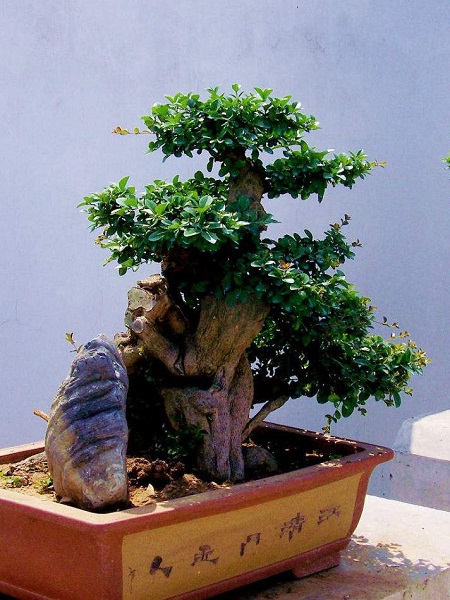
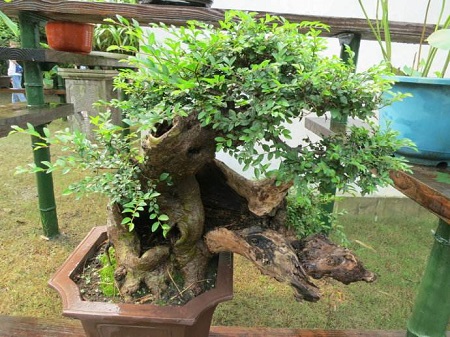
What kind of tree stump is best for bonsai? Mastering these three points is enough
What kind of tree stump is best for bonsai? Master these three points!
-
How to Defoliate Flowering Tree Stump Bonsai? The Correct Method
A Guide to Defoliating Flowering Tree Stump Bonsai
-
Detailed Explanation of Key Watering Techniques for Tree Stump Bonsai
Watering is one of the most important and most frequent measures in the management of tree stump bonsai. Tree stumps are planted in pots; whether the pot is deep or shallow, the soil is always limited, and the water it contains is also limited. If water is not supplied for a long time to replenish moisture, the tree stump will wither from lack of water, so timely observation is necessary.
条件筛选