-

A Detailed Guide to Selecting and Propagating Tree of Heaven Seeds
The tree of heaven can be said to be a fairly common tree in rural areas. Its flowers are white-green in color, and its fruit is a samara. Generally speaking, it rarely lives beyond fifty years. Some people also deliberately plant tree of heaven. So how should its seeds be selected? What are the propagation methods? If you
-
The Latest Planting Techniques and Methods Tutorial for Tree of Heaven
Tree of Heaven is also known as Ailanthus bark, large-fruited tree of heaven, etc. It is a tree plant of the genus Ailanthus in the family Simaroubaceae. Its trunk is straight and tall, and its crown is rounded like a hemisphere, quite spectacular. Its leaves are large and its shade is dense, and in autumn red fruits cover the tree. Although the leaves and flowers have a slight odor when blooming, it is not serious, so it is still a very
-
What are the planting methods for tree of heaven seeds?
The tree of heaven (Ailanthus altissima) is a deciduous tree in the genus Ailanthus of the family Simaroubaceae. It is an excellent ornamental tree and shade tree, and is also a tree species used for soil and water conservation and soil improvement in saline-alkali land. It can be propagated by sowing seeds, so how do you plant tree of heaven seeds? 1. How to plant tree of heaven
-
Privet leaves, privet bark and tree-of-heaven bark can treat livestock diseases
Privet leaves and bark. Take an appropriate amount of the dried product, decoct it into a paste, and apply it to the affected area; it can treat sores, swellings, burns from fire or scalding by boiling water in livestock. Tree-of-heaven bark. Take 150 g of tree-of-heaven bark (with the coarse outer bark removed), together with 30 g each of costus root and chebula fruit, decoct the juice and administer it by drenching; it can treat chronic diarrhea in livestock; grind tree-of-heaven bark into powder, add flour and feed it; it can treat bloody dysentery in livestock.
-

The Uses of Chinese Mahogany Wood and the Difference Between Chinese Mahogany Wood and Tree of Heaven Wood
Summary: What are the uses of Chinese mahogany wood? What is the difference between Chinese mahogany wood and tree of heaven wood? Everyone is familiar with the Chinese mahogany tree, especially in spring when many friends like to eat scrambled eggs with Chinese mahogany shoots; my family loves them too, and every year my mother makes a special batch...
-

A Detailed Guide to the Planting Techniques and Cultivation Management Methods of the Tree of Heaven (Ailanthus altissima)
Planting Techniques for the Tree of Heaven
-
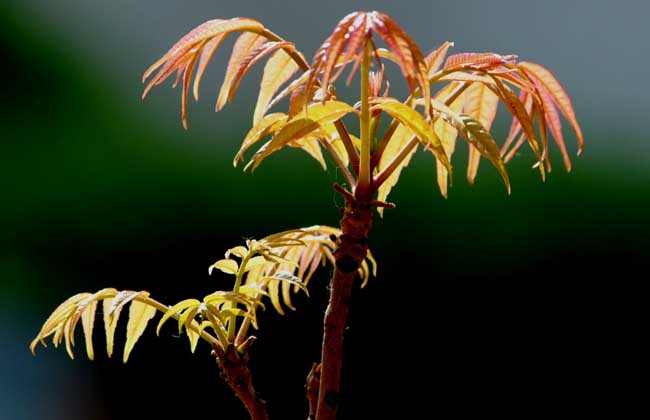
What is the difference between Chinese toon and tree of heaven? Learn the quick way to tell them apart
The difference between Chinese toon and tree of heaven
-
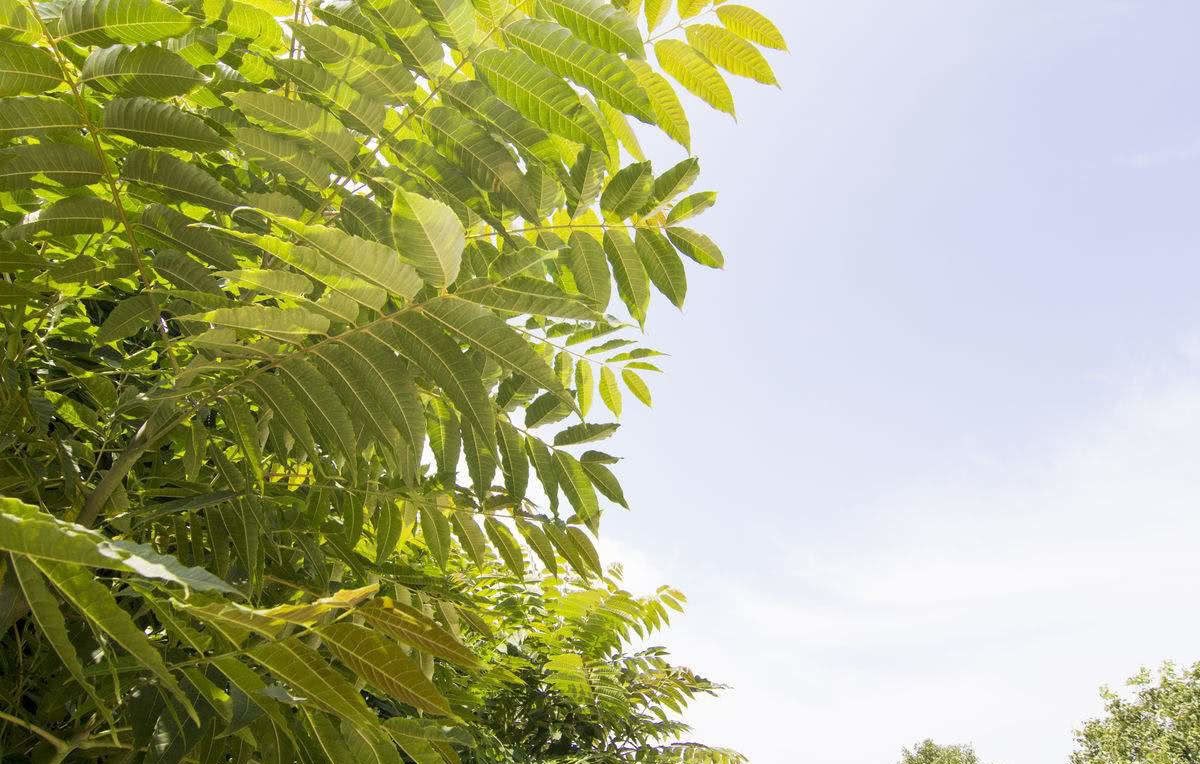
Chinese mahogany and tree of heaven are actually two different trees; here's how to tell them apart quickly
The tree of heaven (Ailanthus altissima) is a deciduous tree in the genus Ailanthus, family Simaroubaceae. Originally named chu (chū), it is also known as the chun tree and the wood-rasp tree. It is native to northeastern and central China and Taiwan, China, and gets its name from the foul odor released by the glandular dots at the base of its leaves. The editor remembers that there used to be a tree in the old family courtyard...
-
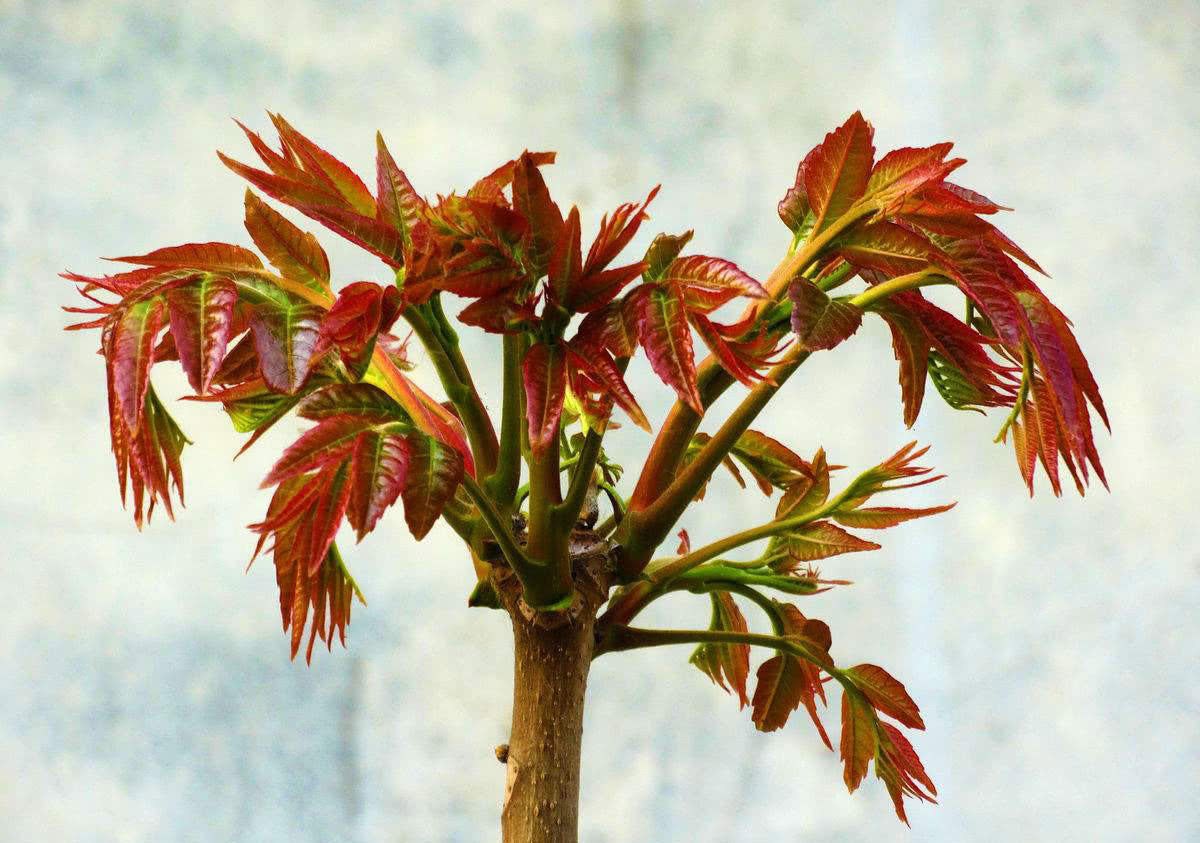
The difference between Chinese toon and tree of heaven is just a few points: a best friend mistook tree of heaven for Chinese toon, and picking Chinese toon sprouts became an unpleasant experience
Spring, this season when all things revive, grass and trees sprout. At this time, Chinese toon quietly barges into our world. But the tree of heaven, which looks similar to Chinese toon, is very troublesome, mainly because at a glance it looks exactly the same...
-
What is the difference between Chinese toon and tree of heaven? A quick guide to telling them apart
Both of these trees originated in China. Although they belong to different families and genera, they look very similar, so many people confuse them. Both can be used as medicine, but they are different. The former usually has even-pinnate leaves, while the latter usually has odd-pinnate leaves; the former is fragrant, while the latter smells bad. The bark of the former can be peeled off, while the latter is relatively smooth. The former has capsules, while the latter has samaras.
条件筛选