-
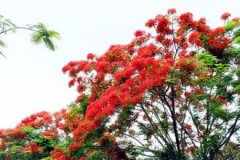
How many times a year does the flame tree bloom, and in what season does it open?
Do you know the flame tree flower? What do you know about this flower? How many times a year does the flame tree bloom, and when does it bloom? The flame tree, also known as the fire tree, blooms twice a year. It is a perennial deciduous tree, native to the island of Madagascar off the east coast of Africa, and is
-
How many times a year does the flamboyant tree bloom, and in which season does it flower?
Do you know the flamboyant tree flower? What do you know about this flower? How many times a year does the flamboyant tree bloom, and when does it flower? The flamboyant tree, also known as the fire tree, blooms twice a year. It is a perennial deciduous tree, native to the island of Madagascar off the east coast of Africa, and is a
-
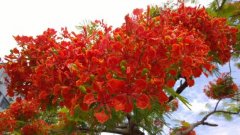
How many times a year does the flame tree bloom? A full analysis of its flower meaning and legend
The flame tree is a very special flower. It blooms twice a year, once from May to June, and once in September, so its flower meaning is related to its blooming period. The flame tree flower is divided into five petals, the flowers are large and fire-like, with red flowers and green leaves, magnificent and splendid
-
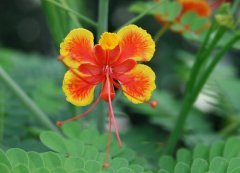
How Many Times Does the Flamboyant Tree Bloom a Year? Life Cycle and Appearance
The flamboyant tree (Delonix regia) is a tropical tree species that prefers fertile, well-drained soil. It also tolerates poor soil. How many times does the flamboyant tree bloom a year? It blooms twice a year, and in the season of parting, the blooming period is from May to September. Is the life cycle of the flamboyant tree long? Sow in mid-to-late March.
-
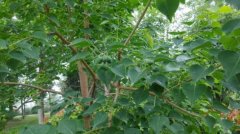
What month does the Chinese tallow tree bloom? What are the medicinal values of the plants parasitic on it
The Chinese tallow tree (Triadica sebifera) is a colored-leaf tree species. Its bark is brown or gray, covered on the outside with a white waxy layer. Its diamond-shaped leaves are its main feature, with entire leaf margins and no fine serrations. The leaves are simple and alternate, and the leaf surface has a layer of wax, so it feels smooth to the touch. In spring and autumn
-
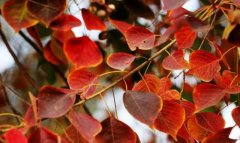
What season does the Chinese tallow tree bloom? Reasons for its curved trunk shape and wood characteristics
The leaves of the Chinese tallow tree change color with the seasons and climate, just like the poinsettia. When the climate gradually turns cool and autumn and winter slowly arrive, the leaves change from emerald green to yellow and orange-red, and then to red or reddish-brown, which is
-
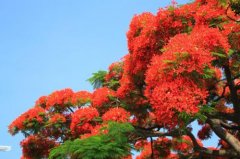
How many times does the flamboyant tree bloom in a year? Is its blooming time in spring?
Do you know the flamboyant tree? This flower is called by many people the flower of parting. Why do they say that? It is because the blooming period of this flower is different. The flamboyant tree does not bloom in spring; its blooming period is from May to July, and it is also a two-season flower, blooming twice a year, one
-
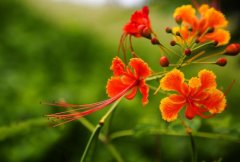
The Flame Tree only blooms twice a year; does it bloom in autumn?
The flame tree (Delonix regia) was introduced in 1897 when seeds were purchased by the Japanese consulate in Bombay, and it was first planted in Tainan; it is an endangered species in the wild, and has now been introduced and cultivated artificially, widely grown as an ornamental tree. In Hong Kong, China it is a common introduced variety of deciduous tree. Later it was also
-
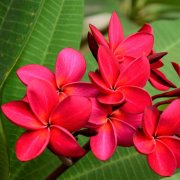
Red Frangipani Potted Planting Techniques and Care Methods After the Blooming Period Ends
Do you like frangipani? The fragrant frangipani is perfect as a specimen or accent plant in the landscape, or placed in containers so their floral fragrance can be fully enjoyed. They are also suitable for greenhouse use. In full sun, frangipani are the most durable,
-
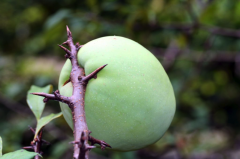
Introduction to the Rugose Papaya Tree Variety and When It Blooms
Rugose Papaya is a papaya variety. Do you know this papaya variety? Would you like to get to know it? The name Rugose Papaya actually follows the name used in traditional Chinese medicine, because its fruit shrivels after drying. Correspondingly, the fruit of C. sinensis, the type species of the genus Chaenomeles, has a smooth surface after drying, so its medicinal name is Smooth-skinned Papaya. The two plants differ considerably in appearance.
条件筛选