-

What does a pomegranate flower with "a tower upon a tower" look like? A detailed explanation of the flowers and trees in Dream of the Red Chamber
Author: Jiang Chunlin "Cuilü said: 'There is a pomegranate over on their side, with four or five branches in succession; it really is a tower upon a tower. It's remarkable that it has grown that way.' Shi Xiangyun said: ...
-

Qu Yongqiang of Guang'an, Sichuan Makes His Fortune Raising Pigs in Peacock Towers
Guang'an, Sichuan: Qu Yongqiang Makes His Fortune Raising Pigs in Peacock Towers
-

Heilongjiang cooperative grain dryer tower subsidy policy is here
Heilongjiang cooperatives can receive subsidies for building grain dryer towers
-
Detailed Explanation of Tower Chrysanthemum Cultivation Techniques, Easily Master the Planting Method
I. Selection and Cultivation of Rootstock. For grafting tower chrysanthemums, Artemisia annua of the genus Artemisia in the Asteraceae family is generally used as the rootstock. Sow seeds and raise seedlings at the end of September. In early November, select healthy Artemisia seedlings whose stems have just begun to elongate, plant them first in small pots, and place them in a greenhouse to overwinter, with the temperature generally kept at 10-15°C. After transplanting and surviving, apply a light fertilizer to promote growth. Water once a week, maintaining humidity at 50-60%. In early to mid-February of the following year, lateral branches can sprout from every node starting from the base. After the frost period ends, once the plant height reaches about 40-60 cm, it can be moved out of the greenhouse. Before moving out, choose a high
-
How to cultivate a tower chrysanthemum? These technical points must be mastered
I. Selection and cultivation of the rootstock For grafting tower chrysanthemums, Artemisia (mugwort) of the Asteraceae family, genus Artemisia, is generally used as the rootstock. Sow seeds for seedlings at the end of September; in early November, select mugwort seedlings whose stems have just begun to elongate and which are growing vigorously, plant them first in small pots, and place them in a greenhouse to overwinter, with the temperature generally kept at 10-15°C. After transplanting and establishment, apply a light fertilizer to promote growth. Water once a week, maintaining humidity at 50-60%. In early to mid-February of the following year, lateral branches can sprout from every node starting at its base. After the frost has passed, once the plant height is about 40-60 cm, it can be moved outdoors. Before moving outdoors
-
A Detailed Guide to Growing Billbergia (Water Tower Flower) at Home
1. Soil: Billbergia has low soil requirements; a slightly acidic sandy loam rich in humus with good drainage and aeration is best, but calcareous soil should be avoided. 2. Sunlight: Billbergia mainly grows in the dappled shade of shrub thickets or on the northwest side of hillsides, where it receives partial, intermittent direct sunlight each day.
-
What are the things to note when growing Billbergia (water tower plant) at home?
Things to note when growing Billbergia at home. Billbergia: also known as bromeliad, it likes warm and humid conditions, belongs to semi-shade flowers, requires good ventilation, and prefers acidic sandy loam rich in humus with good drainage and aeration. You can use leaf mold, sphagnum moss and garden soil sand, mixed with a small amount of bone meal as base fertilizer.
-
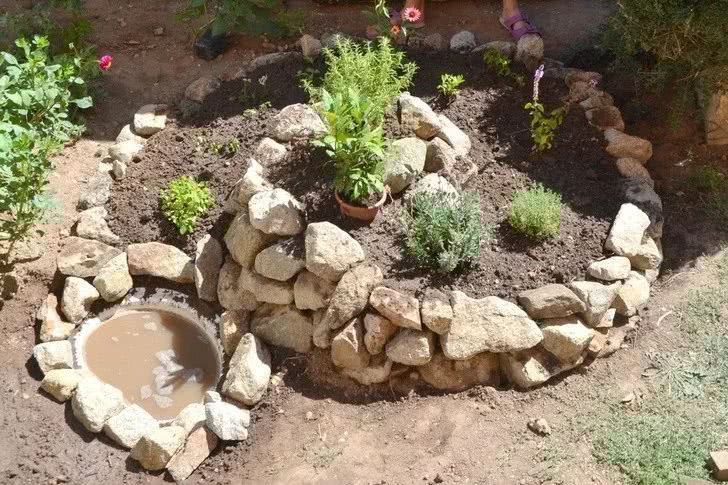
8 great benefits of building a spiral herb tower in the yard, creating the most eye-catching plant landscape
Growing vegetables or herbs in the yard is very common. Many people do not know that herbs also come in drought-tolerant and water-loving types. Lavender and rosemary are very afraid of too much water, while mint and basil love water. Planting them together...
-

-

Universities leave the ivory tower and grow together with their local communities! USR university social practice, investing in local revitalization
Universities leave the ivory tower and grow together with their local communities! USR university social practice, investing in local revitalization
条件筛选