-

Where does Korean ginseng come from? An introduction to its main producing regions
Korean ginseng is a tonic medicinal herb with effects such as greatly replenishing vital energy, promoting fluid production and calming the mind, and is suitable for people with palpitations and insomnia, people with a weak constitution, heart failure, cardiogenic shock, and so on. So, where does Korean ginseng come from? 1. Where does Korean ginseng come from? Korean ginseng is mainly produced
-
Where is licorice produced? A detailed explanation of the distribution of its main producing areas
Licorice is a tonic Chinese herbal medicine. It mostly grows in arid and semi-arid sandy soil, desert edges and loess hilly areas, and it also reproduces easily in fields and riverside flats in the Yellow River irrigation districts. It has strong adaptability and strong stress resistance. Below, the editor will introduce the
-
-
-
-
Edible Mushroom Preservation Methods and the Use of Vinegar as a Health Tonic for Flowers
Vinegar Is a Health Tonic for Flowers
-
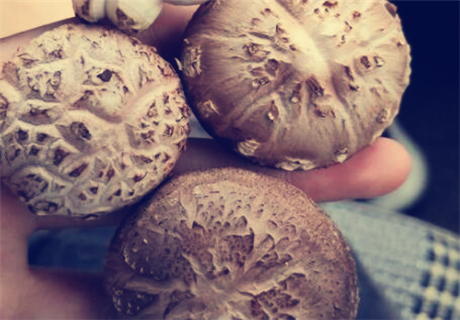
Shiitake flower mushroom is a tonic for longevity, 150 yuan per jin, its cultivation, differences from shiitake, and effects
Flower mushroom is generally very common in rural areas, and in China it is called a longevity tonic. Why is it called flower mushroom? Because the whole mushroom is very thick and white, shaped like chrysanthemum petals, hence the name flower mushroom. The nutritional value of flower mushroom is very high, so what is the current price of flower mushroom per jin? How to cultivate it?
-
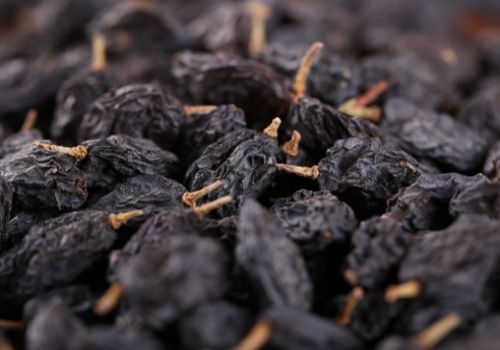
Introduction to black goji berry cultivation methods: a natural tonic treasure grown this way
Black goji berry, also known as Gan goji berry and other names, is a natural tonic treasure discovered in recent years. Because of its extremely high medicinal value, with effects such as nourishing the liver and kidneys and improving eyesight and essence, it has become increasingly popular, and its price is relatively high, so many growers also want to cultivate it
-
The snakehead Channa asiatica is a prized tonic fish in South China.
Channa asiatica belongs to the order Perciformes, suborder Anabantoidei, family Channidae, genus Channa. Common names: in Guangdong it is called qixing fish, shanhua fish, shanban fish, diancheng fish, chengxing fish, and xingguang fish; in Guangxi it is called xing fish and zhanggong fish; in Taiwan, China it is called youdai. English names: Snakehead, Chinafish. Its form resembles the spotted snakehead. The head is large, wide and flat, the snout short and bluntly rounded, the mouth large, and the nasal tubes thick, extending forward beyond the upper lip. The scales are relatively large, and the scales on top of the head are enlarged but irregular; the scales on the sides of the head are also relatively large. Dorsal fin and anal fin
-
Four Methods to Increase the Health-Tonic Value of Silkie Chickens
The Silkie chicken, also known as the silky fowl or black-boned chicken, has black meat, skin and bones. Its body is rich in trace elements, vitamins, unsaturated fatty acids, melanin, iodine and selenium and other trace elements and macro elements needed by the human body, and it has good dietary therapy and health-tonic functions. However, in raising silkie chickens, people mostly focus their efforts on fattening, and very few consider how to improve their medicinal and health-tonic value. Researchers have carried out extensive and in-depth studies on feed, and through laboratory testing have proven that black crops such as black
条件筛选