-

Points to note when transporting imported breeding pigs and feeding them en route
Points to note when introducing breeding pigs - transport and feeding en route
-
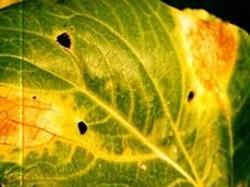
What are the key points to note in rapeseed cultivation and management?
How to prevent and control black rot in rapeseed? Please advise. The symptoms of black rot in rapeseed mainly affect leaves, stems and siliques. Both seedlings and mature plants can be affected. Infected leaves show yellow "V"-shaped spots, dark brown veins, and dark green water-soaked petioles, sometimes with yellow bacterial ooze, and the lesions expand until the leaves dry up. After bolting, the main axis...
-
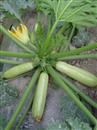
What are the key points to note when growing zucchini?
What should be noted when growing zucchini? Here is a detailed introduction. When growing zucchini, note the following points: 1. Sowing time. Sowing time should be determined according to the local climate and the cropping season. For a greenhouse autumn-delayed crop, sowing in mid-September is suitable; for a winter-warm greenhouse overwintering crop, sowing in late October is generally suitable; for the winter-spring crop (following an autumn-delayed tomato or other vegetable crop)...
-
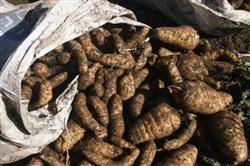
What are the key points to note when harvesting Gastrodia elata? Master these for a smoother harvest
(1) Be careful not to damage the tubers. When digging, carefully scrape away the surface growing medium, remove the fungal wood, and gently take out the Gastrodia elata. Take great care not to bruise the tubers, especially the white tubers and small tubers used for seed. (2) Harvest carefully. Search all around and do not overlook or miss any Gastrodia elata. Because the Armillaria mellea around them grows and develops better...
-
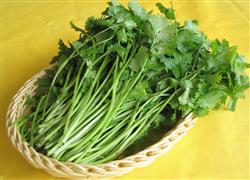
What are the key points to note when growing and cultivating cilantro
What should be noted when growing cilantro? We ask experienced gardeners to share their advice. Zhongdiwang has compiled the points to note when growing cilantro, listed below for readers' reference. 1. Suitable temperature for growing cilantro: Cilantro, also known as coriander, is a cold-hardy vegetable that prefers cool conditions, with an optimum growing temperature of 12°C-26°C, but it also has fairly strong heat tolerance...
-
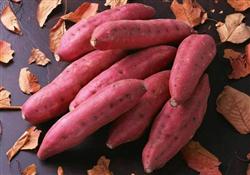
What are the key points to note when planting sweet potatoes in autumn
What should be noted when planting sweet potatoes in autumn? Please give guidance. For autumn sweet potato planting, you can refer to the following methods: Select good varieties - choose early-maturing, high-quality, high-yielding improved varieties such as "Sushu 7", "Sushu 8", "Yusu 303", "Xushu 18", and "Yuzi 263 (purple-fleshed sweet potato)"; select sturdy seedlings with thick stems, dense nodes, moderate maturity, rich sap, free of disease, free of degeneration, and free of adventitious roots, with pointed tips and flat heads; plant different varieties separately.
-
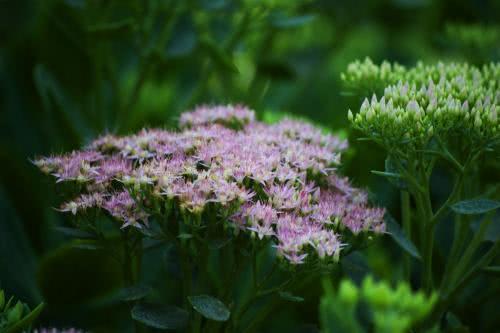
How to Grow Hylotelephium erythrostictum? A Complete Guide to Household Plant Care Notes
Hylotelephium erythrostictum is generally a wildflower that grows in the wild, but we must not look down on this flower just because it grows in the wild; it usually grows on hillside grasslands or in mountain gullies. The whole plant of this flower appears powdery white...
-
What are the points to note when preparing the substrate mix for tea tree mushrooms?
What should be noted in the substrate mix for tea tree mushrooms? I hope a fellow grower can give some guidance. Factors that easily lead to substandard substrate mix in the tea tree mushroom formula: the bioconversion rate of the tea tree mushroom (Agrocybe aegerita) can reach 133%, meaning that 100 kg of substrate (dry material) can produce 133 kg of fresh mushrooms. Although there are many factors behind substandard yields, one very important reason is improper culture...
-
What are the key points to note when growing lingzhi (Ganoderma lucidum)?
What are the key things to note when growing lingzhi? Here is an introduction. There are 4 points to note when growing lingzhi, listed in detail below for reference: 1. Preparation of lingzhi growing substrate: ① about 75% mixed sawdust, about 25% wheat bran, about 0.2% ammonium sulfate, water content of the mixed substrate 70%; ② about 75% mixed sawdust...
-
Six precautions to note when using bacterial biological insecticides
Biological pesticide: BT, Chinese name Bacillus thuringiensis, is a bacterial insecticide. This variety has been fully used in the main vegetable-growing areas of our country and has achieved good economic benefits. However, there are currently many BT manufacturers with varying quality, so when using it you must choose a variety of good quality. Note: BT is effective when the temperature is slightly higher...
条件筛选