-

Key points to note when lifting strawberry seedlings for transplanting: get these right and the survival rate will be higher
In the past couple of days, many strawberry growers have started busying themselves with lifting and transplanting seedlings. So what key points are worth noting when lifting seedlings for transplanting? Below we will talk about the small details of the seedling-lifting period; mastering these can raise the survival rate. Reasonable light growth control, such as...
-

How to grow Tradescantia zebrina (inch plant)? Growing methods and things to note
Tradescantia zebrina is also known as inch plant, striped inch plant, silver inch plant and wandering dude, and is an evergreen herbaceous plant in the genus Tradescantia of the family Commelinaceae. It spreads very quickly when planted in South China, and can be seen everywhere around gardens, school campuses, institutional green spaces and residential buildings; some have spread and grown into a wild or semi-wild state. It is commonly grown for ornamental purposes
-
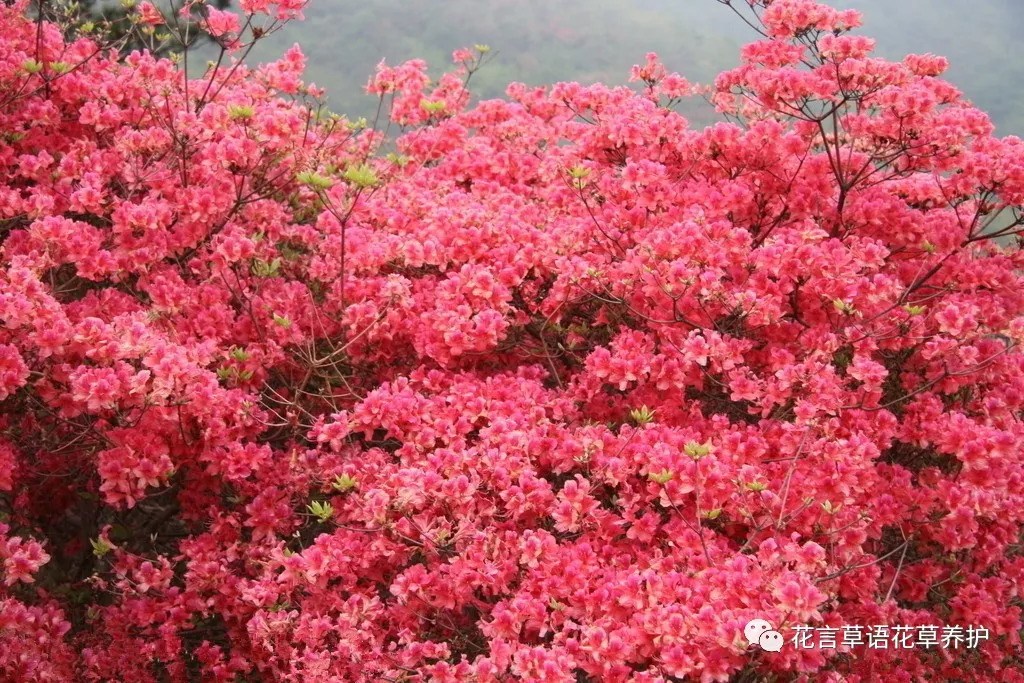
What are the key points to note when growing azaleas?
As the weather starts to heat up, helping plants get through the summer is an essential process for flower lovers. In this article, we will talk about how to manage azaleas in summer. The heat tolerance of azaleas is greatly related to the variety and the growth vigor of the plant, so we...
-
How to grow Phlox drummondii? A complete guide to cultivation methods and things to note
Phlox drummondii, also known as dwarf phlox, annual phlox, and Drummond's phlox, is an annual herbaceous plant in the genus Phlox of the family Polemoniaceae. It is cultivated in gardens across China. The plant is short and compact with rich flower colors, and can be used as planting material for flower beds, flower borders, and rock gardens, as well as potted plants for indoor decoration. Taller varieties can be used as cut flowers
-
How to Grow and Care for Saffron (Saffron Crocus, Crocus sativus): Methods and Points to Note
Saffron crocus, also known as Crocus sativus or saffron, is a perennial flower of the genus Crocus in the iris family (Iridaceae) and also a common spice. Its leaf clumps are slender and stiff, its flowers delicate and elegant, in a variety of colors, with a distinctive fragrance. It is often used as an excellent material for edging flower beds and planting rock gardens, and can also be grown in pots or in water for indoor display.
-
What are the things to note when growing gardenias at home?
Things to note when growing gardenias at home. Gardenia: The gardenia is an evergreen shrub or small tree, and there are four commonly seen types: (1) Large-flowered gardenia, also known as river-flower gardenia. The leaves are large and long-elliptical, the flowers are large and mostly double, with a strong fragrance. (2) Small-leaved gardenia, also known as sparrow-tongue flower. The plant is short and small, the flowers are relatively small, double, with a very strong fragrance.
-
What are the things to note when growing a peace lily at home?
Things to note when growing a peace lily at home. Peace lily: The peace lily is a perennial herbaceous flowering plant, divided into two types, large-leaved and small-leaved. It likes warm, humid conditions and is a semi-shade plant; it requires good ventilation and appropriate shading in summer.
-
What are the things to note when growing Billbergia (water tower plant) at home?
Things to note when growing Billbergia at home. Billbergia: also known as bromeliad, it likes warm and humid conditions, belongs to semi-shade flowers, requires good ventilation, and prefers acidic sandy loam rich in humus with good drainage and aeration. You can use leaf mold, sphagnum moss and garden soil sand, mixed with a small amount of bone meal as base fertilizer.
-
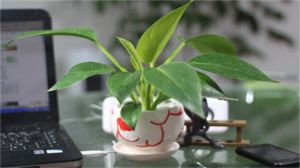
Is the Golden Pothos (Epipremnum aureum) toxic? These points to note when growing it indoors
The Golden Pothos is toxic. It is attractive and can also absorb harmful gases, decorate a room, and absorb dust. If placed in the living room, it will also give the room a pastoral feel, making people feel comfortable when they see it. However, if there are children in the home, it is recommended not to grow it in the living room or bedroom, to avoid accidental contact and poisoning.
-
How to Grow Pilea in Pots and Points to Note
Pilea is a perennial herb with creeping stems. It is a rather fashionable small foliage plant; because it is highly adaptable, easy to propagate, and relatively easy to grow, with compact, simple and elegant clumps, clearly defined green-and-white leaves, and beautiful patterns. Pilea prefers a warm, humid climate and loose, fertile sandy soil, and grows best at 15°C to 25°C.
条件筛选