-
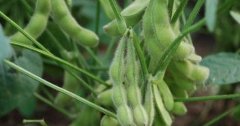
What Are the Prospects and Profits of Edamame Farming? Taiwan, China's Edamame Exports to Japan Top the Earnings Charts
Taiwan, China's edamame makes us so proud, ranking No. 1 in sales to Japan for 11 consecutive years! According to statistics from the Kaohsiung District Agricultural Research and Extension Station of the Council of Agriculture, the export value of edamame in 2018 (ROC year 107) reached 81.18 million USD, equivalent to 2.45 billion New Taiwan dollars. The main export market is Japan, accounting for 85%, with the rest sold to the United States, Canada
-
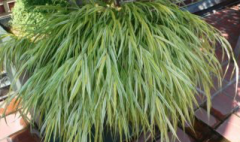
How to Grow Japanese Forest Grass in Pots: Planting Conditions and Care Methods
Japanese forest grass, or Hakonechloa, is an elegant arching plant with bamboo-like leaves. This forest dweller is perfect for shade and performs well in containers. Grow forest grass in containers in shady to partially shady landscape locations,
-
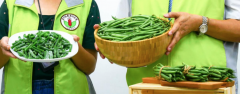
New vegetable bean variety Taichung No. 6: dwarf, high-yielding, with great export potential to Japan
The main production area for edamame is in the Gaoping region, but edamame cannot be produced in winter, and growers hope to fill this gap with vegetable beans. On the 25th, the Taichung District Agricultural Research and Extension Station unveiled "Taichung No. 6" dwarf vegetable bean, which can use the existing mechanized harvesting equipment and cold chain equipment for edamame.
-
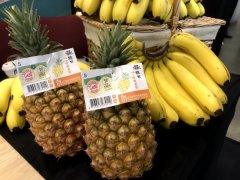
Taiwan, China bananas exported to Japan with the help of blockchain technology, boosting industry innovation
When it comes to blockchain technology, cryptocurrency is the most widely known application, but through the decentralized database network architecture foundation of blockchain, it can actually be used in information encryption applications in various different scenarios. The International Affairs Division of the Council of Agriculture, Executive Yuan has been working since 2017
-

MI Gives Wings to Smart Agriculture, Japan Uses AI to Cultivate New Varieties
Whether for increasing yields, growing in places where cultivation was previously impossible, or improving taste and value, agricultural associations across Japan are actively developing new rice varieties, and have even used DNA analysis technology to shorten the breeding of new rice varieties from the 10-15 years previously required to 3-5 years; now the Japanese government and agricultural startups are even planning to introduce new technology, applying artificial intelligence (AI) and smart agriculture, which are used in the research and development of new drugs and materials, to conduct research on new rice varieties.
-
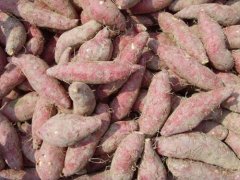
Which Sweet Potato Varieties Are the Tastiest Nationwide and Japan's Sweetest Ranking: Chestnut Sweet Potato Takes First Place
Sweet potato can be said to be one of the most popular health-conscious ingredients, nutritious and delicious! Besides the yellow-skinned, yellow-fleshed national sweet potato, more and more different varieties of sweet potato are appearing on the market, such as purple sweet potato, each with different characteristics and flavors. We have compiled the six most common
-

Japanese sweet potatoes used this way! A superb ingredient for Japanese shochu
Shochu and sake have similar bottle shapes, and their labels usually feature Japanese kanji and kana together. They are also displayed together in Japanese restaurants and on the liquor shelves of supermarkets, and when poured into a glass both are transparent or pale yellow, so they are often mistaken for the same thing.
-

A Detailed Guide to Clever Fertilization Methods and Key Planting Techniques for Japanese Apricot (Green Plum)
The Japanese apricot is a fruit with a unique flavor, tasting sour and crisp, making it irresistible to many people. There are many varieties of Japanese apricot; besides some edible varieties, there are also some that can be grown for ornamental purposes. After being salted, the Japanese apricot can also be used as medicine, having the effect of promoting
-
What are the tariffs on agricultural products imported into Japan?
As an important market for China's agricultural exports, Japan's agricultural product tariff system has a major impact on China's agricultural trade, so what is Japan's agricultural product tariff system like? What are the tariff rates on major agricultural products? This issue intends to provide an introduction to this. Japan's tariff rates
-
How many years after planting does a Japanese banana tree generally bear fruit?
The Japanese banana tree is native to the Ryukyu Islands of Japan; it may grow wild in Taiwan, China, and can be cultivated outdoors south of the Qinling-Huaihe line, mostly grown in courtyards and near farmhouses. So how many years does a Japanese banana tree take to bear fruit? 1. How many years does a Japanese banana tree take to bear fruit? A Japanese banana tree can bear fruit in one year.
条件筛选