-

A detailed introduction to daisies, taking you through a comprehensive understanding of this flower
A detailed introduction to daisies: the complete guide to daisies
-

What is the flower language of green roses? Let us take you through the meaning of green roses
What is the flower language of green roses
-
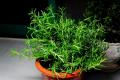
What are the benefits and effects of rosemary? This article will walk you through it
An introduction to the benefits and effects of rosemary
-

What is the flower language of roses? Let us take you through the story of roses
Rose flower language The story of roses
-

What is the flower language of canna? Let us walk you through its symbolism
What is the flower language of canna
-
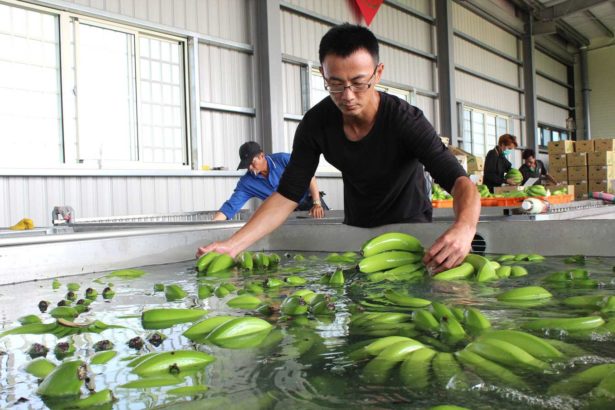
Cichitou Golden Banana is inherently cold-resistant and rigorously managed, breaking through the bottleneck of exporting to Japan
Export bananas rely on real strength! Cichitou Golden Banana is inherently cold-resistant and rigorously managed, breaking through the barrier to sales in Japan
-

Soil-free loach farming: these methods can help you do it well and get better farming results. How do soil-free loach farms get through winter? Baidu Zhidao, 2 answers. Answer time: November 2, 2018. Best answer: 1. Soil-free loach farming uses porous
Those farmers who have raised loaches all know that loaches grow in mud, but because soil-based farming methods such as rice paddies are used, the survival rate of the loaches being farmed cannot be controlled, and the quality is not particularly good either. Now pesticides and other [more]. Soil-free loach farming has become very popular in recent years, and it is also a new type of method. The existence of this technology has also brought a very large improvement to loach farming, and both output and scale have reached a new height. During the loach farming process, survival [more]
-

Expired creamer remade into milk tea and lattes, circulating through 180 tea and breakfast shops in southern Taiwan, China, reaching 16,000 kg
Expired creamer remade into milk tea and lattes, circulating through 180 tea and breakfast shops in the south, with a total volume of as much as 16,000 kg
-
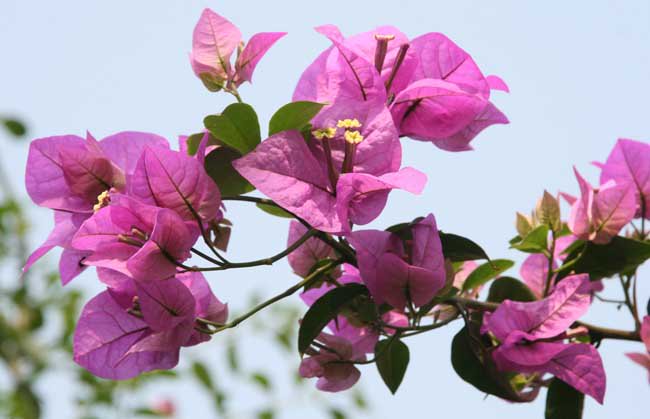
Tropical Rainforest Animal-Plant Coevolution as Seen Through the Ways Plants Disperse Their Seeds
All species on Earth have gone through the processes of origination, reproduction and evolution over the past 3.5 billion years, and some of them interacted with one another during evolution, and it is precisely this interaction that makes the natural world we see today not merely a collection of independent species
-

It turns out plants can also reproduce through viviparity
After billions of years of evolution, animals went from fish to amphibians to reptiles and birds, and finally evolved into mammals, only then acquiring viviparity, the most "advanced" mode of reproduction. If someone told you that some plants are also viviparous, you would surely find it hard to believe. Plants reproduce the next generation either through seeds
条件筛选