7 things to note when caring for flowers at home in autumn, so plants grow more vigorously and get through winter well
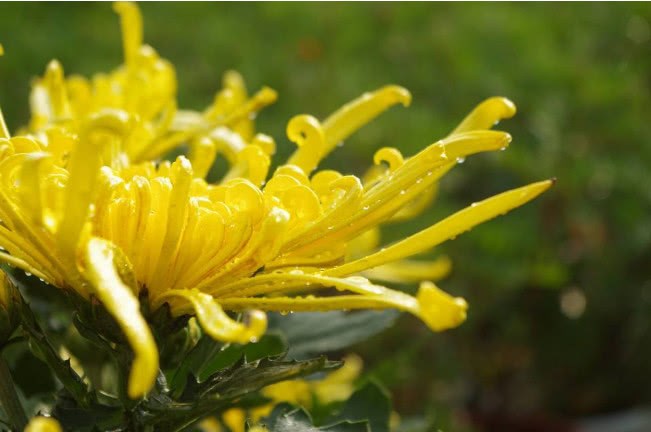
Time flies, and in the blink of an eye it is already September. The weather is gradually turning cool, and the potted flowers that survived the summer are gradually ushering in their most comfortable time, and flower lovers can breathe a sigh of relief. Although autumn is nice, there are still many things to note when it comes to flower and plant care, so that flowers and plants can grow more healthily and also be prepared for winter. Below, Xiao Jingzhi Shenghuo will take a look with everyone at what aspects should be noted in autumn for caring for flowers and plants at home.
1. Repotting
By autumn, many flowers and plants have passed their flowering period and relatively need fewer nutrients, so take advantage of this period to promptly repot some plants that need repotting. When repotting and removing the soil, be careful to trim the plant's root system and completely clean away dead roots and rotten roots, as this helps the plant produce new roots; by the way, replace the potting soil as well, apply some base fertilizer at the bottom of the pot, and after repotting, water thoroughly.
2. Pruning
After the flowering period and before winter begins, the plant needs a comprehensive pruning. Cut off faded flower branches, dead branches, leggy branches, and weak diseased branches, etc. This not only keeps the plant's shape attractive, but also effectively avoids the loss of nutrients within the plant, storing more nutrients in preparation for winter.
3. Light
Autumn is characterized by high skies and pale clouds, and along with that the sun is not as strong as in summer, so in autumn you can let flowers and plants bask in the sun more to increase the opportunity for photosynthesis. Of course, in early September the autumn tiger in many areas still cannot be underestimated, especially at noon, so be careful to avoid sunburn.
4. Watering
In autumn the temperature drops, water evaporation decreases, and plants need less water than in summer, so gradually reduce the amount of watering. Water according to the principle of preferring dry over wet, and never allow waterlogging. For watering time, still try to choose windy, clear evenings; do not water at noon, do not water before fertilizing, and do not water before rain or on cloudy and rainy days.
5. Fertilizing
Plants consume a large amount of nutrients during their flowering period, so after the flowering period has passed in autumn, potted plants need topdressing to store nutrients and get through winter smoothly. The principle of topdressing is light fertilizer applied frequently. After fertilizing, wait 1-2 days and then water thoroughly so the fertilizer can penetrate and be absorbed more quickly.
6. Pests and diseases
Autumn is a period of high incidence of pests and diseases. Pay attention to carefully observing flower pots and plants at ordinary times to see whether there are signs of pests and diseases, prevent them in time, and if they occur, treat them in time. Be sure to completely eliminate pests and diseases before winter begins.
7. Cold protection
In late autumn, it is time to prepare protective measures for winter. In addition to storing nutrients, timely insulation or moving plants indoors to protect against freezing are also necessary measures.
The above was compiled and published by Xiao Jingzhi Shenghuo, and we hope it is helpful to you.