-

Why is the Phalaenopsis orchid flower spike thin, and does thickness affect blooming?
During Phalaenopsis cultivation, a thin and weak flower spike is a fairly common care problem. The flower spike, as an important organ that carries flower buds and transports nutrients, has a growth state that directly affects the plant's ornamental value. The reasons the flower spike becomes thin are actually mostly tied to daily care. The first reason is insufficient nutrients. Phalaenopsis
-
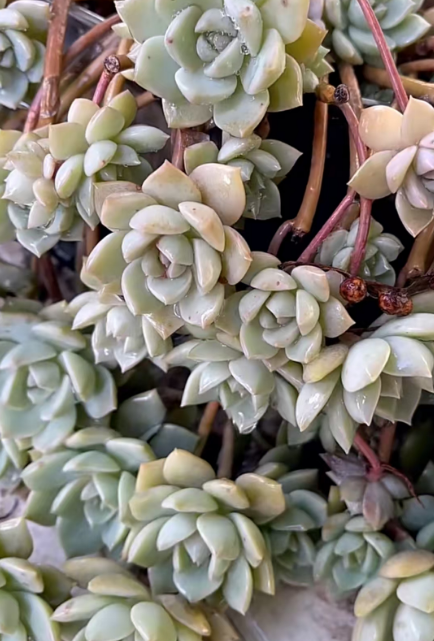
Is it a good thing for succulents to produce lateral buds?
In fact, the appearance of lateral buds on succulent plants is a delightful phenomenon, indicating that the plant is full of vitality and in good health. As
-
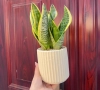
What easy-care green plants are best for lazy people in the south who want something that survives without much fuss?
No desire to water, no time to tend them? Here are a few green plants that could be called "free-range champions" - even beginners can easily handle them without thinking twice. 1. Snake plant. Snake plant has sword-shaped leaves that stand upright and stiff, with alternating light and dark patterns on the surface, much like a tiger's tail. The king of drought tolerance! Its leaves store water well, and it stays upright even when watered once a month, and it can
-

Why Is a Phalaenopsis Plant Thin and Weak?
Phalaenopsis (moth orchid) is a popular choice for indoor ornamental flowers. However, many flower lovers carefully tend their Phalaenopsis only to find the plant becoming thin and weak, which not only affects its appearance but may also make it difficult to bloom or even cause it to wither. To save a thin, weak Phalaenopsis, you first need to pinpoint the cause. The following possible reasons are worth understanding in depth. Nutri
-
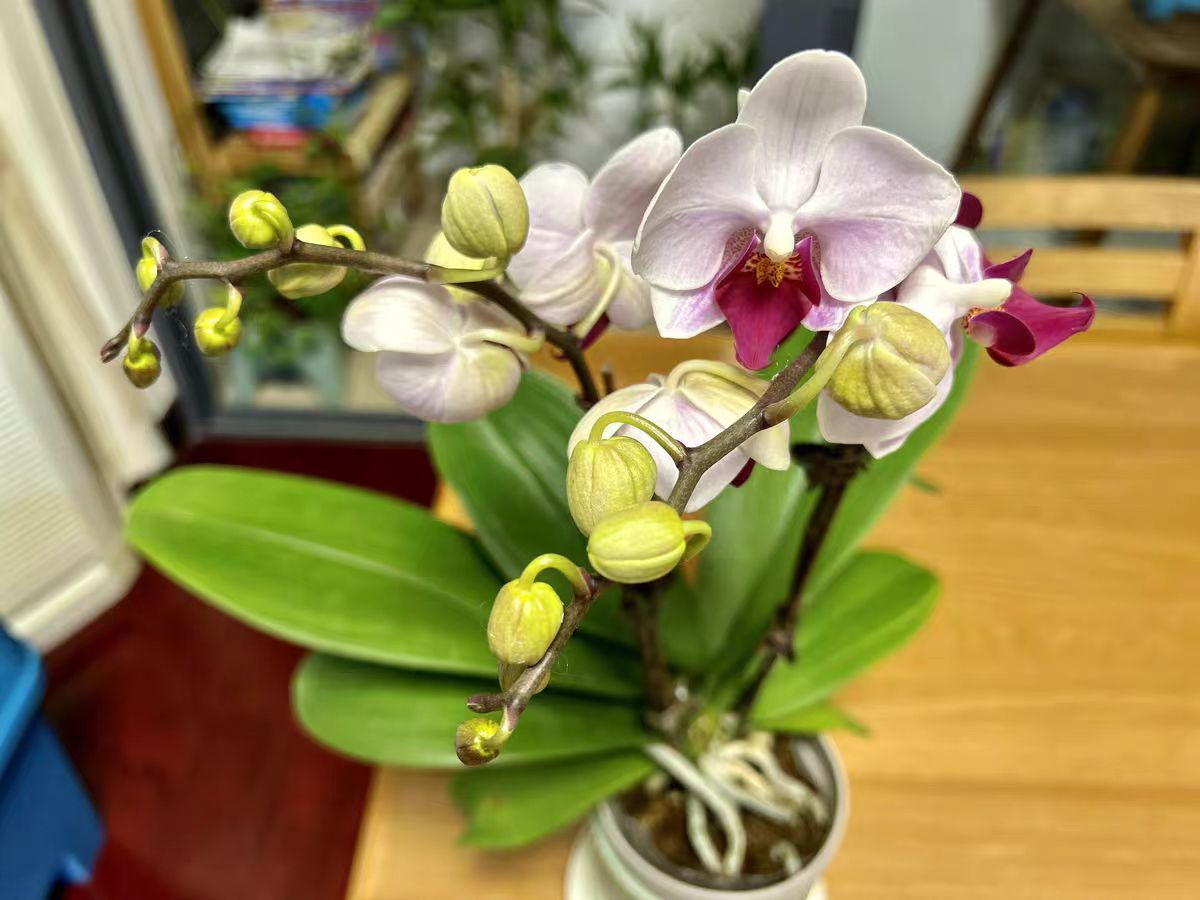
Why is the Phalaenopsis orchid plant thin and weak?
Phalaenopsis orchids are a popular choice for indoor ornamental flowers. However, many orchid enthusiasts find that their carefully nurtured Phalaenopsis
-

Methods for ventilating and caring for Phalaenopsis orchids and precautions for sunbathing through glass
Growing flowers can cultivate the mind and nature, and also pass the time. Many retired workers have taken up a trowel and devoted themselves to planting. In recent years, because Phalaenopsis has become an indispensable main flower for the New Year flower market, it can be seen on many people's balconies. For flower growers, growing Phalaenopsis well requires not only patience, but also good coordination of environmental temperature
-

Things to note and details when buying Phalaenopsis orchids, and you should also understand the size differences
Phalaenopsis orchids have a unique floral form, and basically everyone praises them. How do they reproduce in the tropical rainforest? It turns out they rely on their own extraordinary beauty to attract insects for pollination. At night, in the eyes of insects, the petals of the Phalaenopsis orchid seem to glow on their own, shining brightly and being especially conspicuous, and precisely because of this, the Phalaenopsis orchid
-

Reasons for Phalaenopsis Care Failures, Plus Precautions and Things to Avoid
If you want to add a touch of lively spirit to your home, then the top recommendation is undoubtedly the "Phalaenopsis" (moth orchid), because its blossoms open with exceptional elegance, like a fairy dancing gracefully, captivating everyone who looks at it. At the same time, if you care for it attentively, it can even bloom in all four seasons. So on the care journey, what pitfalls should you watch out for? Usually
-

Is a Phalaenopsis orchid's thinning leaves a sign of neglect? The warning signs of thinning leaves should not be ignored
Stepping into a flower market for the first time, many people feel at a loss when faced with the dazzling array of flowers. Amid the colorful sea of blossoms, the Phalaenopsis orchid, with its elegant form and long-lasting ornamental period, has held the top spot in sales year after year. So, after buying this gorgeous potted flower, how should you care for it day to day? To grow any plant well
-

Is the Madagascar jasmine (Dipladenia) toxic? There are things to know about keeping it at home and smelling its fragrance
Have you ever thought about creating an eye-catching flower wall in your own garden? Then this "Madagascar jasmine," available in red, peach, and pink, and also fragrant, is perfect for you! Not only does it bloom continuously through all four seasons, but it also pairs well with other climbing plants. Madagascar jasmine belongs to the Apocynaceae family, and many people mistakenly assume it contains toxins
条件筛选