-

When oversight of the "responsibility field" is left barren, "glue ginseng" is bound to run wild
At the Famous Premium City in the Harbin Antarctic Wholesale Market in Heilongjiang, reporters found that merchants were actually gluing ginseng scraps onto ginseng with 502 glue, passing off inferior goods as high quality and fakes as genuine. In addition, lingzhi spore powder, forest frog oil, deer penis and deer blood were also counterfeited, and even the quality inspection certificates were fake certificates that merchants had paid people to fabricate.
-
Modern large-scale agricultural machinery in the Great Northern Wilderness ensures a bumper grain harvest
On the eve of National Day, the Heilongjiang reclamation area echoed with the roar of machines and the fragrance of ripening rice and soybeans. The Great Northern Wilderness once again welcomed a bumper harvest year, presenting a generous gift for the Republic's birthday, and in achieving this, agricultural mechanization played an indispensable role. At the Hongxinglong Administration Bureau of the Heilongjiang General Bureau of State Farms, You
-
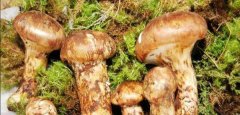
Can matsutake be cultivated artificially? Differences from wild ones and how much per jin
Can matsutake be cultivated artificially? Yes, it can, but artificially cultivated matsutake is very different from wild matsutake, so let's take a look at their differences below. Also, the prices of fresh and dried matsutake. Differences between artificial matsutake and wild matsutake: the color is different; wild matsutake
-
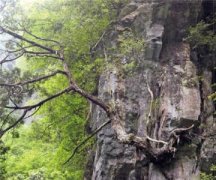
What Tree Species Is the Chinese Arborvitae? A Complete Collection of Wild Chinese Arborvitae Pictures and a Price Overview
What tree species is the Chinese arborvitae? The Chinese arborvitae is a shrub or tree of the Cupressaceae family, genus Thuja; it generally grows in the crevices of cliffs at an altitude of 700-2100 m, in areas with shallow soil and rock; but now this tree has become an endangered species. It is mainly produced in Sichuan, China
-
The Differences Between Wild Reishi and Cultivated Reishi, and a Detailed Guide to Cultivation Techniques
Reishi (Ganoderma lucidum) is a precious traditional Chinese medicinal herb, and the price of wild reishi is far apart from that of artificially cultivated reishi. So how do you tell wild reishi and artificially cultivated reishi apart? What are the techniques for artificially cultivating reishi? 1. How do you tell wild reishi and artificially cultivated reishi apart?
-
What Does the Wild Cape Gooseberry Tree Look Like? A Detailed Guide to Its Benefits and Effects
The cape gooseberry is a fruit rich in pectin that can be processed into various juices, jams and more, and is deeply loved by consumers. In addition, the cape gooseberry is rich in certain nutritional and medicinal value, and has a certain planting economic benefit on the market. Let's take a look below at the wild cape
-
Wild vegetables become the new favorite on the dining table: what wild vegetables are suitable for growing in rural areas in 2020?
During times of famine, wild vegetables were food that filled people's stomachs, but in recent years people have begun to enjoy eating wild vegetables. On one hand, cultivated vegetables may have pesticide residues; on the other hand, people can try different flavors. So what wild vegetables are suitable for growing in rural areas in 2020? 1. Houttuynia
-
What Is the Latest Price of Wild Rice Stem per Jin? A Full Analysis of Key Planting Techniques
Wild rice stem is also called gourd bamboo shoot or gourd rice, and it is a delicious vegetable with a certain nutritional value. In addition, the whole wild rice stem plant is also a wintering site for fish, an excellent feed, and a plant that consolidates land and builds land. So how much is the price of wild rice stem per jin now? What are the key planting techniques?
-
What Is the Difference Between Heteropappus hispidus and Wild Chrysanthemum? A Quick Guide to Telling Them Apart
Every year from July to September, large numbers of Heteropappus hispidus grow on wasteland, roadsides and grassland, and they are very attractive; however, because they resemble wild chrysanthemums, many people think they are the same plant, but they are not, so what is the difference between Heteropappus hispidus and wild chrysanthemum? 1. Heteropappus hispidus and wild chrysanthemum
-
How to Grow Olive Seeds? A Detailed Guide to Olive Planting Methods and Steps
The olive is native to southern China, growing wild in ravine and hillside mixed woods below 1300 m in altitude, or cultivated in gardens and beside villages. So how do you grow olive seeds? 1. How to grow olive seeds? 1. Seed selection To grow olives, choose new seeds that are mature, plump and intact
条件筛选