-

Key Technical Points for Freeze Prevention in Winter Temporary Holding of River Crabs
1. Breaking the ice. Commercial crabs are held temporarily at high density, and after snow the temperature is relatively low, making aquaculture management more difficult. By opening ice holes or breaking the ice, on the one hand you can observe whether the overwintering pond is short of water or oxygen, and on the other hand, some harmful gases in the water body can escape. When oxygen in the water is low
-
Application method of simple temporary holding facilities for fish
At present, there are quite a few flow-through aquaculture farms in Sichuan, mainly culturing cold-water fish species, and most of their culture facilities use concrete ponds. During the earthquake, these concrete ponds were damaged to varying degrees by the destructive force of the earthquake, which may cause pond leakage and so on. If they are not repaired in time, the water in the ponds may be lost, creating a crisis for the survival of the cultured aquatic organisms, and even causing all the water in the ponds to run out, resulting in the death of the cultured aquatic organisms and bringing huge economic losses to the farmers. If
-
How to carry out disinfection treatment during the temporary holding of bloodworms
Disinfection treatment during the temporary holding of bloodworms
-
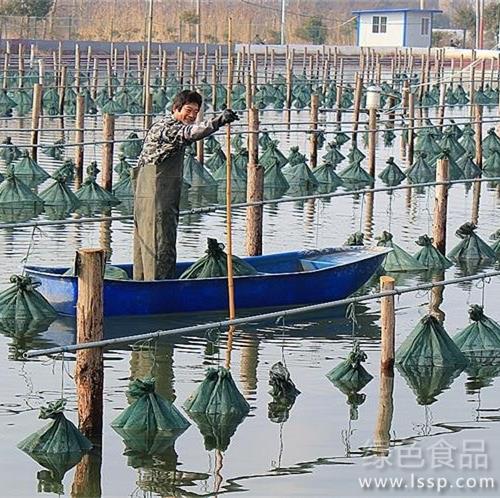
Temporary Holding of River Crabs to Avoid the Peak Marketing Period: How to Prevent Death?
Avoiding the Peak Marketing Period: How to Prevent Death in Temporarily Held River Crabs
-

What are the causes of death during the temporary holding of river crabs?
Causes of death in temporary holding of river crabs
-
Corn temporary storage price cut for the first time in 7 years, many farmers holding onto their grain and waiting
In 2014, the state launched a pilot program of target price subsidies for soybeans in Northeast China and Inner Mongolia and for cotton in Xinjiang, abolishing the original temporary storage policy and letting the market determine the prices of these two types of agricultural products. Just one year after this policy was piloted, the
条件筛选