-
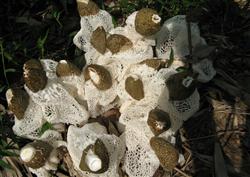
A detailed guide to bamboo fungus (Dictyophora indusiata) cultivation techniques, teaching you how to grow bamboo fungus well
Bamboo fungus cultivation can be carried out by referring to the following methods: 1. Field spawn production. As long as growers purchase bamboo fungus raw materials, they can make their own cultivation spawn at the field edge. From late December to early January, choose a corner of the field and prepare a compost bed for breeding. Use 80% mixed wood sawdust and 20% wheat bran as the culture medium for bamboo fungus spawn, add 110% water, then put it into woven bags, sterilize under normal pressure for 10 hours, take it out and flush water into the bags with clean water to let it drain, then mix in 1% gypsum powder, pile it onto the breeding bed, adopt the method of 2 layers of material and one layer of spawn sowing, and sprinkle some spawn on the surface of the last layer of material. For each sq m of bed, use 20 kg of dry material and 3-4 bottles of bamboo fungus stock spawn. To cultivate 100 sq m of area, only 4 sq m of field spawn production is needed, equal to 25:1. After sowing, cover the surface with woven bags, shade with rice straw, and finally cover with film supported by bamboo strips arched over. After sowing, uncover the film for ventilation once every 3-5 days. After 40-50 days of cultivation, when the mycelium covers the material pile, it becomes field bamboo fungus spawn.
-
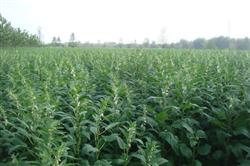
Fertilization Methods and Techniques for Sesame in the Middle and Late Stages of Summer Planting
How should fertilization be done in the middle and late stages of summer-planted sesame? Please give an introduction. For summer-planted sesame, fertilization should involve heavy and shallow application of base fertilizer, moderate application of seed fertilizer, heavy application of flower bud fertilizer, and supplementary spraying of phosphorus and potassium fertilizers; organic fertilizer should be the main type, combined with phosphorus and potassium fertilizers, and the amount of chemical fertilizer should be reduced as much as possible to improve sesame quality. For every...
-

Common Cotton Pests and Diseases and Their Control Techniques
Cotton is one of the world's most important crops. Its high yield and low production cost make cotton products relatively inexpensive, and the fiber can be made into fabrics of many specifications, from light and transparent voile to thick canvas and thick velveteen, suitable for making all kinds of clothing, furnishing fabrics and industrial fabrics.
-
How to Grow Cotton? A Detailed Guide to Cultivation Techniques and Field Management Key Points
Cotton is one of the world's most important crops. Its high yield and low production cost keep cotton products relatively inexpensive. It can be made into fabrics of many specifications, from lightweight, transparent voile to heavy canvas and thick velveteen, suitable for making all kinds of clothing, household fabrics and industrial fabrics. It is also an important nectar-source plant.
-

Detailed Explanation of Key Points on Chinese Water Snake Farming Techniques
Chinese Water Snake Farming Techniques
-

A Complete Analysis of Freshwater Mussel Breeding Techniques and Methods
Freshwater Mussel Breeding Techniques
-

Detailed Explanation of Key Jellyfish Aquaculture Techniques and Management Methods
Jellyfish Aquaculture Techniques
-

-

Detailed Explanation of Methods and Techniques for Training Budgerigars to Talk
Budgerigar Talking Training
-
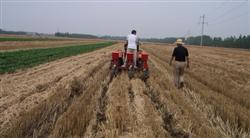
How to grow mung beans after wheat harvest for high yield? Key planting techniques
How to grow mung beans after wheat harvest for high yield? Please give an introduction. Mung bean is one of the important minor grain crops in China, combining nutritional value and medicinal value. As people's living standards rise day by day, in order to adjust and improve their diet, the demand for mung beans is increasing, while growing mung beans requires little investment and brings quick results...
条件筛选