-

How is High-Quality Angora Rabbit Wool Produced? Key Technical Points Explained
Rabbit hair is divided into three types: fine hair, coarse hair, and two-type hair. Fine hair, also known as rabbit down, has an average fineness of 12-14 microns and is the shortest of the three types. It has distinctly irregular crimps. Because fine hair has good physical and chemical properties, it has high textile value in the wool textile industry. Generally speaking, its price is also higher than the other two types. Therefore, mastering rabbit down production techniques to produce more fine hair is an effective means of improving the production efficiency of Angora rabbits. 1. Understand the quality requirements for rabbit down. Rabbit down should be pure white, fully loose, free of impurities,
-
Key Technical Points for Autumn Release and Autumn Cultivation of Fingerlings to Ensure Survival
Doing a good job of intensive autumn cultivation of fingerlings is the key to improving their overwintering survival rate. Improving the environment: before releasing the fingerlings, drain half of the original pond water, then add fresh water. Apply 150 kg of fermented manure per mu of pond, once every 9 days, for a total of 3-5 applications. Appropriately apply additional chemical fertilizers mainly of nitrogen and phosphorus; generally apply 1.5-2.5 kg of urea and 3-5 kg of superphosphate per mu of pond, once about every 7 days. After each fertilization, add fresh water to keep the pond water transparency at 20-30 cm. Every half month, use 10-15 kg of quicklime per mu of water surface
-
Detailed Explanation of Key Technical Points for Winter Rearing of Broodstock
Broodstock rearing is divided into stages including post-spawning care, autumn rearing, winter rearing and spring rearing. Because winter temperatures are low, broodstock activity decreases, feeding capacity is weaker and fish diseases occur easily; if management is poor, it greatly affects the next year's production links such as artificial incubation, fry and fingerling production and grow-out fish farming. The key technical points for doing a good job of winter broodstock rearing are: 1. Pond selection. Broodstock ponds require an adequate water source, a flat pond bottom, shelter from wind and exposure to sun, and good water and heat retention, with an area of 10-15 mu being suitable. 2
-
Key Technical Points for Spring Broodstock Conditioning of the Four Major Chinese Carps
Spring is an important period for the maturation of broodstock gonads. From the beginning of spring to spawning, a large amount of nutrients in the broodstock's body is diverted to gonad development, so broodstock conditioning should be intensified in spring to meet the needs of gonad development, promote timely maturation of broodstock and ensure smooth spawning. The conditioning techniques are: 1. Divide ponds early. Adjusting stocking density and species combination is the primary condition for good broodstock conditioning. The pond area for broodstock division should preferably be 2000-2600 sq m. Before dividing the ponds, first drain the pond water, remove wild trash fish, snails, mussels and harmful organisms, and at the same time remove part of the sludge
-

-
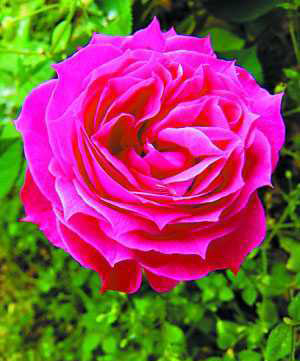
Cultivation Methods and Technical Key Points for Rose (Rosa chinensis)
There are many cultivation methods for roses, with cuttings and grafting being the most common. Grafting is mainly done by bud grafting. The following introduces the cutting propagation method. 1. Cutting period. Rose seedling cultivation is mostly carried out in spring and autumn. In spring, it starts in late April and ends at the end of May; in autumn, it starts in late August and ends at the end of October.
-
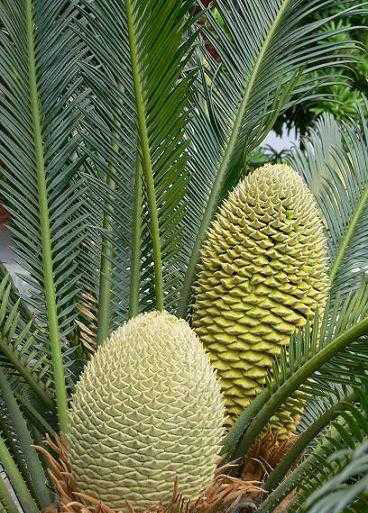
Methods and Technical Key Points for Cultivating Multi-Headed Sago Palms
The sago palm is evergreen year-round, with an elegant and unusual plant form and leaf cluster, a long ornamental period, and easy, undemanding care, so it is deeply favored by cultivation enthusiasts. Sago palms can be placed outdoors or used for indoor display. If a single-headed sago palm can be cultivated into a multi-headed one, its ornamental value becomes even higher.
-

Aconite Pest and Disease Control Methods and Key Technical Points
Aconite Pest and Disease Control Methods
-

Detailed Explanation of the Key Technical Points for Growing Organic Chinese Cabbage
Organic Chinese Cabbage Growing Techniques
-

How to grow celery seedlings? Detailed explanation of methods and key technical points
How should celery be grown from seed?
条件筛选