-

What is the optimal temperature for peonies to take root after transplanting?
Around 15 degrees. Peonies differ from other flowers in that they enter a dormant period in summer, so the rooting temperature for peonies should not be too high; 15 degrees is ideal. At the same time, when transplanting peonies, in order to help them take root as early as possible, besides keeping the temperature suitable, you can also
-
How Long Does It Take for a Hyacinth in Water Culture to Root and Bloom? Latest Answers
1. How Long Does It Take for a Hyacinth in Water Culture to Grow Roots If water culture is done the right way, hyacinths grow roots very quickly. After placing it in water, put it in a ventilated, warm place, and after 1-2 days it will be able to grow young roots. In the early stage of water culture, it
-
How Long Does It Take for Christmas Cactus Cuttings to Root? Sharing Practical Cutting Tips
I. How Long Does It Take for Cuttings to Root? The most commonly used method for propagating Christmas cactus is the cutting method, which is very simple and has a high survival rate. The specific time it takes to root depends on the specific cutting method and post-cutting care. Under normal circumstances, roots will form between two and three weeks after cutting. Some take a shorter time, some longer.
-
How long does it generally take to dry the roots of a cuttings of Epiphyllum?
I. How long to dry the roots of Epiphyllum cuttings? Epiphyllum cuttings are usually dried for 1-3 days. The specific drying time can be judged by the cut on the plant's stems and leaves. Cut the branches of Epiphyllum into several small sections as cuttings. Make sure each section is 8-15cm long. Place the cuttings in
-

Don't buy figs, just take a cutting and root it on the balcony, and you'll have more fruit than you can eat
Figs are sweet and delicious, and they have many health benefits too. Figs sold in stores are quite expensive, so it's better to grow one yourself on the balcony. The method is simple, there are few pests and diseases, and by late summer it will be covered in fruit!
-
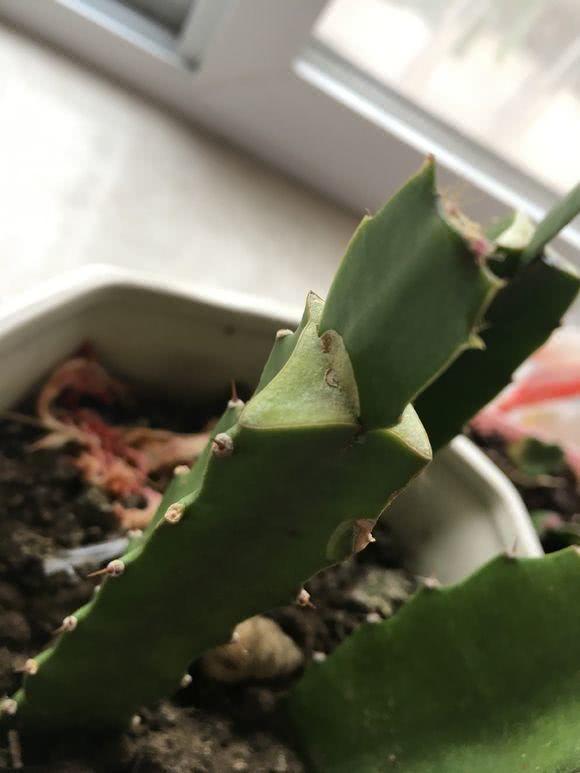
The grafting method for Christmas cactus is simple, and it can take root in just one week if you do it yourself
Many flower lovers like the Christmas cactus. It beautifies the home and purifies the air. When it blooms, it is very beautiful. With good management, it can form layers, and layer upon layer makes it truly an excellent potted plant. Growing it is also very simple. A good pot...
-

Azaleas grow well in this kind of soil, and even a casual batch of cuttings will all take root
Many friends find azaleas a bit tricky to grow, and cuttings even trickier, but actually, once we understand the growing habits of azaleas, growing them well and getting them to burst into bloom is fairly simple, and taking cuttings is very easy too - every year I take a few...
-
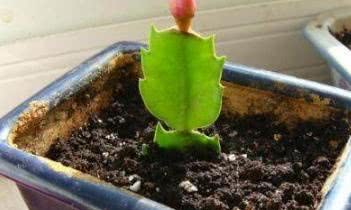
If you're going to grow a plant, grow this one: a single leaf dropped into the soil takes root, and it grows into a whole pot of flowers that's easy to care for.
If you're going to grow a plant, grow this one: a single leaf drops into the soil, takes root and grows into a whole pot of flowers, and it's so easy to care for! A flower friend left a message in the small flower group saying she had wanted to check whether the Christmas cactus had produced flower buds, but ended up knocking off a leaf with a snap and didn't pay it any attention. What she didn't expect was...
-
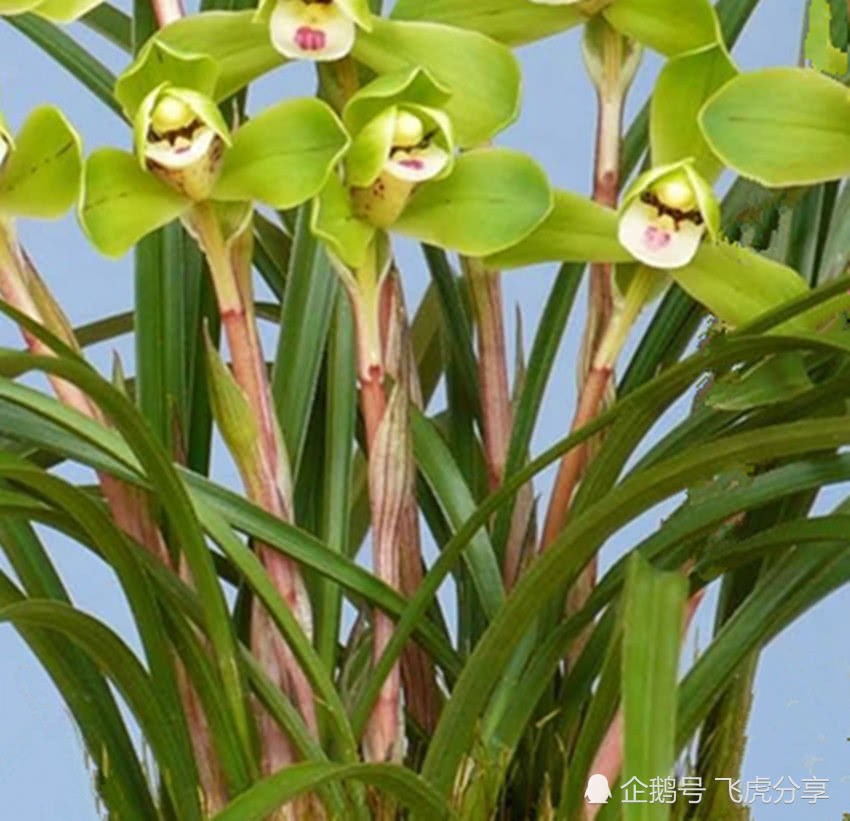
Orchids cannot take root, sprout, or bloom without it, and it is a hundred times better than fertilizing
Orchid growers all know that orchids have fleshy roots. Their roots differ from those of other flowers: they grow grayish-white roots from the pseudobulbs, with no distinction between main roots and fibrous roots, and their growth depends entirely on the microbial community around the roots, called orchid mycorrhiza. As orchids grow...
-

How long does it generally take for a kalanchoe cutting to take root after propagation?
Different methods produce different rooting speeds. If you use water propagation, it only takes about seven days for roots to appear, and the rooting speed is very fast, but the roots will be rather fragile. If you use sand propagation, roots can appear in half a month, and this method has many advantages. If you use soil propagation, roots can appear in two weeks; the rooting speed is relatively slow, but the roots are very sturdy. There is also a type of aerial root, which can grow on its own without the owner needing to do anything.
条件筛选