The grafting method for Christmas cactus is simple, and it can take root in just one week if you do it yourself
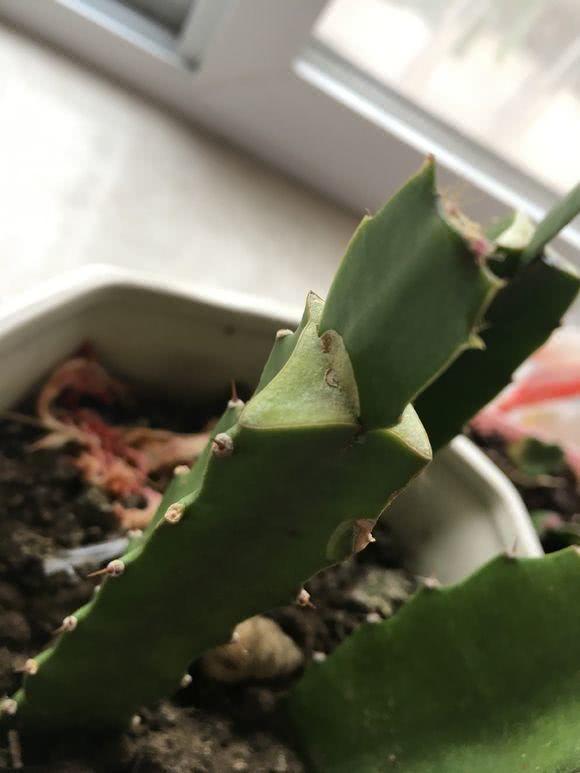
Many flower lovers like the Christmas cactus. It beautifies the home and purifies the air. When it blooms, it is very beautiful. With good management, it can form layers, and layer upon layer makes it truly an excellent potted plant. Growing it is also very simple. A good Christmas cactus is produced by grafting. Only after growing together for a certain period of time can it bloom beautifully. Now Huahua will tell everyone about Christmas cactus grafting, and how to graft a Christmas cactus so that it looks good.
First, let's talk about why the Christmas cactus needs grafting. Some flower lovers may not be very familiar with what grafting means. Grafting means joining branches together. Grafting is not mandatory. Even without grafting, it can grow and bloom normally. A grafted Christmas cactus has advantages. The root system of the Christmas cactus is weak, and its ability to grip and support is poor. If the branch tips are too large, it can easily cause insufficient absorption and easily wither, especially in summer when it is more obvious and it is even more likely to die.
Grafting the Christmas cactus onto a cactus can stabilize the root system, absorb enough water and nutrients, promote the growth of the grafted part, and make it easier to keep alive. Once grown, the Christmas cactus is easy to shape, improving its ornamental value. After grafting, the branches become thicker and stronger, and the flowers bloom larger and more brilliantly. Therefore, a good potted plant is produced by grafting. As long as the rootstock grows strong, it can be grafted repeatedly, and the shapes will become more and more varied.
Before grafting, you need to prepare Christmas cactus branches, about the size of three leaf segments, and a thick cactus. A cactus ball will also do. The thicker the better, as it can quickly fill the pot. The best time for grafting is from April to June each year, with the temperature above 10 degrees. Note that when cutting, the knife must be sharp and disinfected. If the cut is not good, it can easily cause wound infection and rot, and it will be very difficult to survive later.
After grafting, if the cut is too large, you can mix potassium permanganate with water and apply it to the wound, then drip candle wax onto the grafting site to seal it, avoiding wound infection and rot. After grafting is completed, cover it with a plastic bag from top to bottom to keep it moist. After 3-5 days, it can be exposed to light normally, and you can water and fertilize appropriately.
After 20 days, once the grafted wound has healed, if the Christmas cactus branches have not withered, then the grafting was successful. After a while longer, when the Christmas cactus branches and the grafted part have completely grown together, then the grafting was successful. Next, you just need to take good care of it and wait for it to fill the pot. Christmas cactus grafting is actually very simple.