What are the commonly used herbicides for aquatic vegetable fields?
Properly grasp the application time, generally spraying after corn sowing; spraying herbicides when the ground is moist gives the best effect. Strictly control the dosage according to the amount stated in the instructions, using a reasonable dose; too much easily causes phytotoxicity, while too little fails to achieve the proper effect. Avoid spraying on windy days; when spraying, it is best to choose weather with wind...
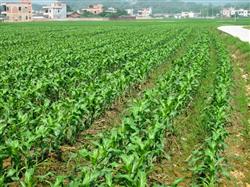 Aquatic vegetables mainly include water chestnut, lotus root, wild rice stem, arrowhead, water caltrop, water dropwort, etc. Weeds in aquatic vegetable fields differ from those in dryland vegetable fields. Apart from some hygrophytic weeds such as eclipta in the first few years after dryland is converted to paddy, the main weeds are aquatic weeds such as barnyardgrass, monochoria, cyperus difformis, caldesia, potamogeton, cyperus serotinus, and bolboschoenus, which are very similar in species to rice field weeds.
Aquatic vegetables have relatively strong herbicide tolerance, and various herbicides used to control rice field weeds are relatively safe for them. Commonly used herbicides include (applied before weed germination):
1. 60% Butachlor emulsifiable concentrate. 75-100 ml per mu of field, add 30 kg of water and spray.
2. 12% Oxadiazon emulsifiable concentrate. Use 125-150 ml per mu, dilute with 30 kg of water and spray.
3. 10% Bensulfuron-methyl wettable powder, 15-25 g per mu, dilute with 25 kg of water and spray; it controls broadleaf weeds and annual cyperaceae weeds, with a very notable effect.
4. Bensulfuron-methyl mixed with barnyardgrass-killing agents such as butachlor (at one-half to one-third of their respective amounts) can control almost all weeds in aquatic vegetable fields.
Precautions: the field should be leveled; when applying herbicides, a shallow water layer should be maintained for 2-3 days.