-

How to structure a flower arrangement? A detailed explanation of the characteristics of flower arranging art
In flower arranging, the ratio between the flower materials and the container is very important. For basin arrangements, the main stem of the flower material is generally about 1.5 times the width of the arranging basin; for bottle arrangements, the main stem of the flower material is generally about 1.5 times the height of the bottle. Artistic flower arranging has the following composition forms. (1) Scalene triangle
-
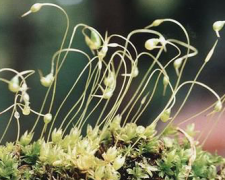
Microscopic Structure and Main Characteristics of the Sporangia of the Common Moss Leptobryum pyriforme
Leptobryum pyriforme is a type of moss that grows at elevations of 900 m to 2200 m. This moss mainly grows in peat bogs in high mountains and plains, and it can also be found on moist rock surfaces and sandy soil. Leptobryum pyriforme is a moss that grows in clumps
-
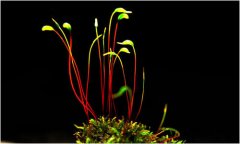
What kind of plant is funaria hygrometrica, and does it bloom and produce seeds?
Funaria hygrometrica is a type of moss plant. This kind of plant reproduces by spores, so it does not bloom and has no seeds. Funaria hygrometrica is currently a relatively popular plant on the market, used to make micro-landscapes. The structure of funaria hygrometrica is rootless, with stems and leaves.
-

Is building a livestock farm on agricultural land an illegal structure? Zhongshi Legal Opinion
Agricultural land refers to land used for agricultural production, including cultivated land, garden land, forest land, pasture land, livestock and poultry rearing land, facility agricultural land, rural roads, pond and pit water surfaces, and other agricultural land. Recently, a netizen consulted Zhongshi Land Expropriation and Demolition Lawyers...
-
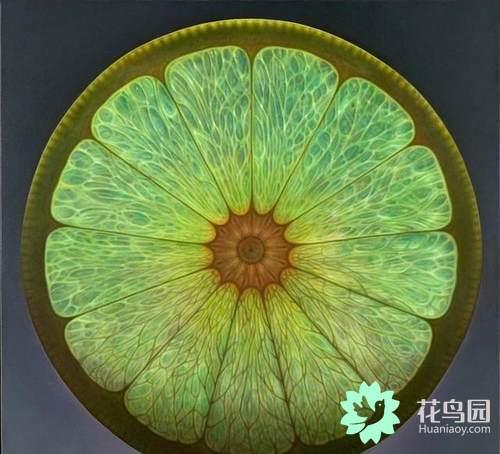
The internal structure of sliced fruit reveals nature's perfectly organic patterns.
Dennis Wojtkiewicz is an artist from Ohio, USA, known for creating large-scale, highly realistic oil paintings of fruit. His inspiration comes from the internal structures of various sliced fruits, these masterpieces created by nature's wondrous craftsmanship...
-
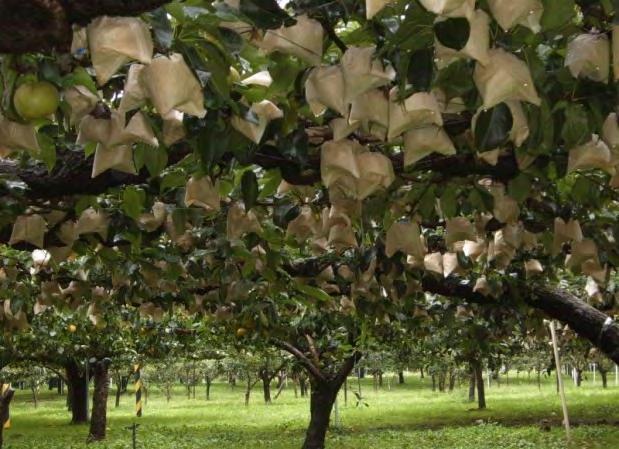
Trellis Pear Tree Structure Construction and Trellis Pear Tree Training Techniques
Trellis Pear Tree Structure Construction and Trellis Pear Tree Training Techniques The trellis pear originated in Japan, and is also used in Korea and China. This tree form is mainly used on pears of the sand pear system, such as Hosui, Niitaka, Huangjin, Shiji, etc. Sand pears generally flower easily...
-
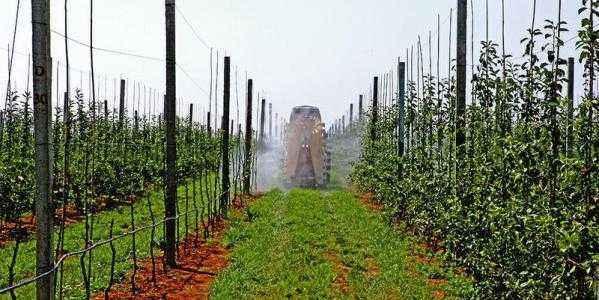
Tree structure and training method of the two-branch one-trunk form for dwarf dense planting of apple
Tree structure and training method of the two-branch one-trunk form for dwarf dense planting of apple 1 Structure of the two-branch one-trunk form in dwarf apple cultivation The trunk height is 80-120 cm from the ground, and two main branches extending toward the row spacing are trained, with a horizontal angle of 180° between the two main branches, and the main branches and...
-
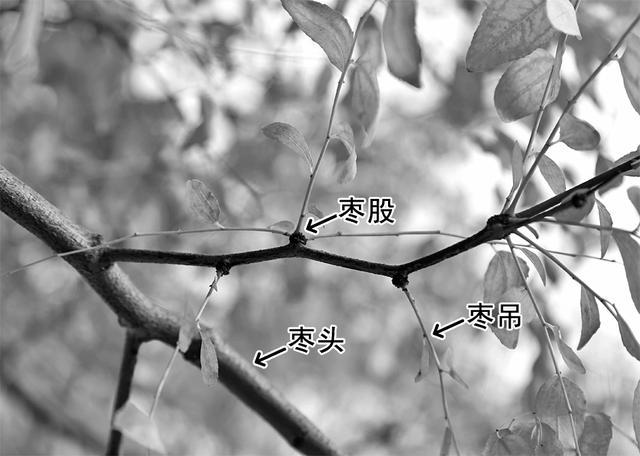
Detailed Explanation of Jujube Tree Training and Pruning Techniques and Tree Structure
Jujube Tree Structure and Training and Pruning Techniques 1. Summary of branch and bud characteristics related to training and pruning. Generally speaking, the jujube tree has 3 types of branches and 2 types of buds. The branches are the jujube head (vegetative shoot), jujube stock (bearing mother branch), and jujube hanging (bearing branch) (Figure 1). Buds are divided into main buds...
-
Orchid pot selection doesn't need deep study; the growing medium structure and moisture control are what really matter
Whenever new orchid growers are just starting out, they are always thinking about what kind of flower pot to use for growing orchids. Thinking back to when I first started growing orchids, the orchid pots in my home were truly like a general store, with every kind of pot imaginable. At first, I used the very traditional and popular celadon ceramic pots of Chaoshan, and later I came to prefer purple clay pots. As the number of orchids increased, the jumble of pots made management inconvenient. In order to harmonize the many orchid pots in the orchid room so that drainage rates could be uniform, it became necessary to use pots of similar size, thickness, texture, and shape, so that when many orchid pots in the same room were watered at the same time, after the same period, each pot would dry at the same rate, or at least not differ too much. From today's perspective, this is relatively easy to achieve with plastic flower pots. Of course, some orchid growers, for ventilation and aesthetics, specially order or buy whole batches of purple clay pots or lightweight porcelain pots, but the cost is really quite high. Regarding plastic pots, many orchid growers have different views and feel they are not ventilated, but this is actually a misunderstanding.
条件筛选