-
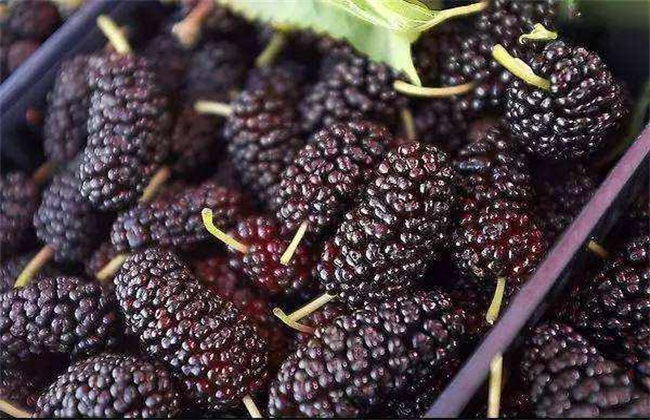
How to store and keep mulberries fresh? The correct method is taught to you
Mulberry storage and freshness preservation methods
-
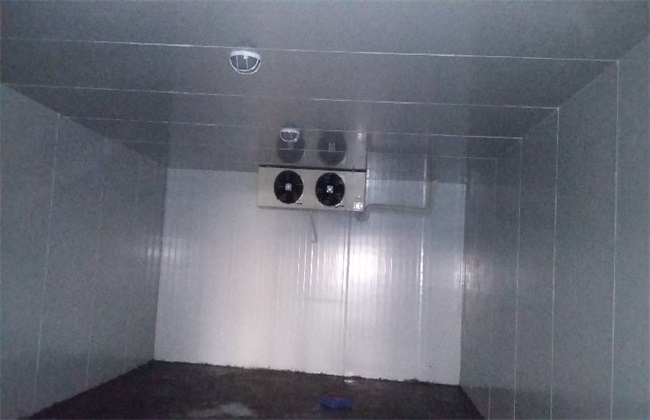
How to store peaches for longer? Sharing a few practical preservation methods
Preservation methods for peaches
-
-

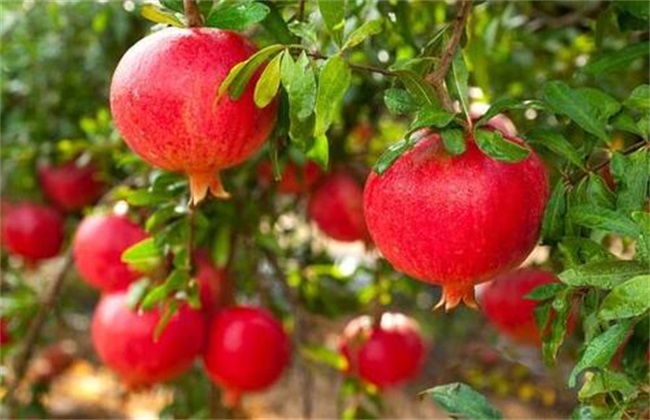
How to keep pears fresh for storage? Master these methods to store them longer
(1) Raised-bed pit storage method. This is a main storage method used in the Huangxian Changba pear producing area. Before harvesting the pears, choose between-row spaces in the orchard with good ventilation, cool and dry conditions, and a low water table. Build raised beds running north-south, with a bed width of 1.5 m to 2 m; the bed length depends on the storage quantity. The bed surface should be about 10 cm above the ground, slightly higher in the center and slightly lower on both sides, with ridges about 15 cm high built up around the perimeter. Spread a layer of fine sand 5 cm to 10 cm thick on the bed surface. At the four corners of the bed ridges and along the two long sides, drive a wooden post every 750 mm, with a post height of 750
-
How to Store and Preserve Peaches? Key Technical Points Explained
Some peach varieties ripen in the high-temperature summer season, and their harvest maturity and eating maturity are reached almost simultaneously; in addition, the fruit is soft and juicy with poor storability. However, storability varies greatly among varieties. Honey peaches have the worst storability and can only be stored for about 1 week, while late-maturing varieties such as Fei peaches, winter peaches and Qingzhou honey peaches are more storable. The problems that peaches are prone to during storage include: over-ripening and softening, rot caused by pathogens, and chilling injury. The main technical measures adopted in production are: 1. Immediately pre-cool the fruit after harvest: immerse the fruit in 0.5-1°C
-
How to Store Fresh Peaches to Extend the Supply Period
Peaches have many varieties, and with early, mid and late maturing types and different growing methods, they are supplied to market successively from April to October. Fresh peaches have a short storage life and are prone to rotting and spoilage. If suitable fresh-keeping methods are adopted, the supply period of fresh peaches can be extended and economic returns improved. Harvest without injury, grade and pack. To judge peach fruit maturity: first, after the fruit has fully developed, the skin begins to lose its green color, the flesh is slightly firm, and colored varieties have basically reached full color, this is the firm-ripe stage. Second, when the fruit's ground color is light green and the fuzz on the fruit surface begins to color, it is at the seven-to-eight-tenths ripe stage. Firm-ripe stage
-
How to Store and Preserve Fresh Peaches? Introduction to Three Practical Methods
Cold storage. Peaches are prone to chilling injury during low-temperature storage, and there is a risk of freezing at -1°C. Therefore, the suitable storage temperature for peaches is 0°C, and the suitable relative humidity is 90%-95%. Under these storage conditions, peaches can be stored for 3-4 weeks or longer. However, when peaches are stored at low temperatures for a long time, the flavor gradually becomes bland. Long-term low-temperature cold storage can cause chilling injury to the peaches, with the flesh turning brown. In particular, when the peaches are moved to a high-temperature environment for ripening, the flesh becomes dry, mealy, and soft, and the flesh around the pit turns noticeably brown. In the cold storage
-
What methods are there to prevent chilling injury in stored peaches?
Peaches are climacteric fruits, with a respiratory peak and poor storage tolerance; at room temperature they can be stored for only a few days, and most cultivars can be stored at 0°C or below for only 15~30 days. After harvest, peach fruit enzyme activity and respiration are both very strong, so at room temperature the fruit easily softens and rots; low temperature, low oxygen and higher carbon dioxide can inhibit respiration and enzyme activity. At 0°C, using film bag packaging and controlled atmosphere storage, controlling 1%~2% oxygen and 3%~5% carbon dioxide, and applying an ethylene absorbent, the fruit can be stored for 2 months, but care must be taken
-
How to Store and Preserve Fresh Peaches? Practical Tips Shared
Fresh peaches have a short storage life and are prone to rotting and spoilage. If the following preservation methods are adopted, the supply period of fresh peaches can be extended and economic benefits improved. 1. Harvest without injury, grade and package. To judge the maturity of peach fruit: first, after the fruit has fully developed, the skin begins to lose its green color, the flesh is slightly firm, and colored varieties have basically reached full color - this is the firm-ripe stage. Second, when the background color of the fruit is green or light green and the fuzz on the fruit surface begins to color - this is the seven-to-eight-tenths ripe stage. Fruit at the firm-ripe stage and the seven-to-eight-tenths ripe stage stores better and tolerates long-distance transport. Because peach maturity is uneven, most
-
How should peaches be stored to extend their fresh, crisp period?
Prompt pre-cooling to prevent softening. Because the temperature is relatively high when peaches are harvested, especially for mid- and late-season varieties, if they are not pre-cooled promptly, the peaches will quickly soften, age, rot, and deteriorate. Therefore, after harvest, peaches should be pre-cooled to below 4°C as soon as possible. Generally, two pre-cooling methods are used: forced-air cooling and water cooling. Water cooling is fast: a peach with a diameter of 7.6 cm cooled in 1.6°C water for 30 minutes can have its temperature lowered from 32°C to 4°C. After water cooling, let the fruit dry before packing. Air cooling is slower and generally requires 8-12 hours or longer. Storage
条件筛选