-

Ram vasectomy surgery and postoperative treatment and care
Ram vasectomy is the ligation or removal of a segment of the vas deferens (removing a segment is best), and ensuring the ram has good libido after surgery so it can be used for teasing. From 1997 to 2006, the author performed a total of 205 ligation surgeries, with a surgical success rate of 100%. The operating method and precautions are summarized below. 1 Preoperative preparation 1.1 Selection of the ram: a healthy ram between 2 and 4 years of age with distinct male characteristics must be selected as the surgical subject. 1.2 Preparation and disinfection of surgical instruments and establishment of the surgical approach, including
-
Mushroom spent substrate can be used to feed fish; fish farmers should stop throwing it away as waste
In places where mushrooms are cultivated, a large amount of discarded mushroom spent substrate is produced every year. This mushroom spent substrate is rich in crude protein, crude fat and nitrogen-free extract, and also contains minerals such as calcium, phosphorus, potassium and silicon, so it is quite nutritious. Therefore, it can be used as a good feed for fish. The method for feeding fish with mushroom spent substrate is: each time the mushroom house removes mushroom spent substrate, first pick out mud clumps, gravel, iron nails, broken glass and other miscellaneous items from the substrate, then move it into sunlight to dry, and crush it into powder with a grinder; then, according to the proportion of feed
-
Orchard management after peach harvest cannot stop
After peach fruit is harvested, the assimilation of the leaves continues, and nutrients begin to accumulate in the tree body. Summer and autumn are also the period of flower bud differentiation. From fruit harvest to leaf fall, the amount of nutrients accumulated by the tree body and the quality of flower bud differentiation are closely related to the yield and quality of next year's peaches. Therefore, after the peaches are picked from the trees, management is not over and still must be strengthened. 1. Apply post-harvest fertilizer. After fruiting, the tree body has consumed a large amount of nutrients, so nutrients must be replenished in time to restore tree vigor, enhance the photosynthetic capacity of the leaves, and strengthen the tree
-
How do you stop a bonsai boxwood from blooming? Let me teach you a few practical methods.
Boxwood bonsai has become an artistic treasure for its small evergreen leaves, slow growth and resistance to losing shape. Generally speaking, the material for boxwood bonsai is mostly taken from wild old stumps growing by the water. Wild old stumps bloom and set seed very easily. Some people think that boxwood blooming is very "spectacular" and is a great sight. The author currently keeps more than a hundred pots of wild boxwood stump bonsai, and through years of management practice and careful observation, the author has found that boxwood blooming is not a good thing. This is because boxwood blooming has three disadvantages: First, it ruins the leaf appearance. The bud stage of boxwood is long, lasting from August of the previous year to March of the following spring. The fine, dense buds are tucked
-
Peony: Benefits, Effects and Contraindications: Root Bark Can Fight Cancer and Stop Bleeding, Use with Caution If You Have Heart Disease
Peonies are very common in daily life. Many people grow potted peonies at home; they are not only beautiful but also do a great job of beautifying the environment. The uses of peonies go far beyond ornamentation: their flowers can also be brewed as tea, and their medicinal value is very broad. Their root bark can be used as medicine to fight cancer and stop bleeding. These are all benefits and effects of peonies.
-
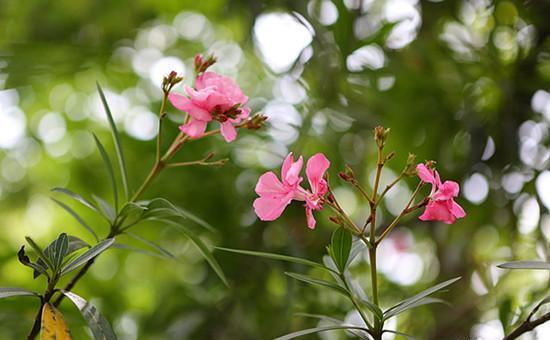
How to fertilize oleander? Homemade farm fertilizer twice a month, stop fertilizing during summer heat
Oleander is a highly ornamental plant with rich flower colors - white, pink, red and more - found throughout parks, along riversides and elsewhere. As everyone knows, oleander is toxic, so growing it well is difficult, especially when it comes to fertilizing: not fertilizing is certainly not an option, but fertilizing too much is also a worry. So how do you fertilize oleander?
-
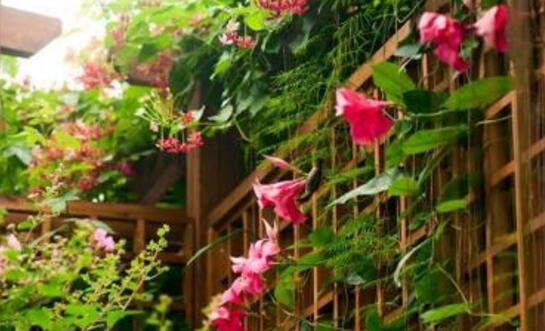
How to care for Madagascar jasmine (Stephanotis) in winter? Key points on whether it can overwinter outdoors and stopping fertilization
It is well known that the most suitable temperature for Madagascar jasmine is 20-31 degrees, yet in most parts of China the winter temperature does not fall within this range, so can Madagascar jasmine overwinter outdoors in winter? The answer is yes. Caring for Madagascar jasmine in winter is slightly different from other seasons.
-
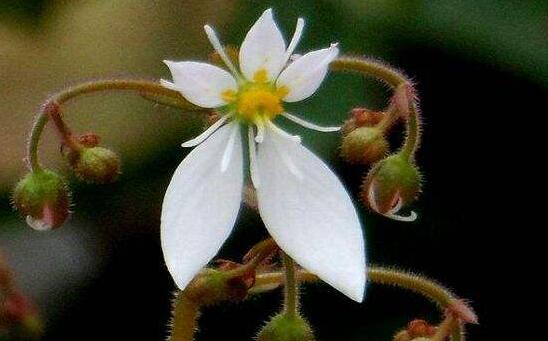
Does Saxifraga stolonifera die after blooming? After flowering, reduce watering and stop fertilizing
Recently, quite a few readers shared photos of Saxifraga stolonifera in bloom with us. From these photos, you can see that the flowers of Saxifraga stolonifera are very pretty with their alternating yellow and white, but many people worry that Saxifraga stolonifera will gradually die after blooming
-
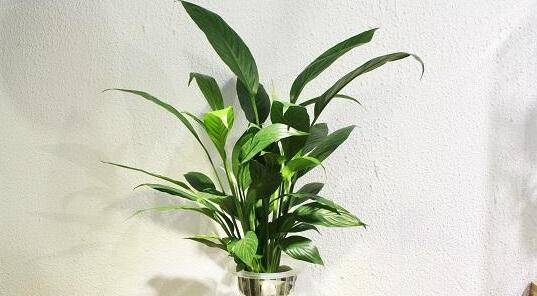
How Does a Peace Lily Survive Winter? Master the Four Steps: Keep It Warm, Water Less, Stop Fertilizing, Increase Light
The peace lily has poor cold tolerance. It grows very slowly in environments below 10 degrees, and if the temperature drops even lower, it may suffer frost damage or even die. So how a peace lily survives winter is a concern for many people. In fact, doing four things well can easily solve this problem.
-
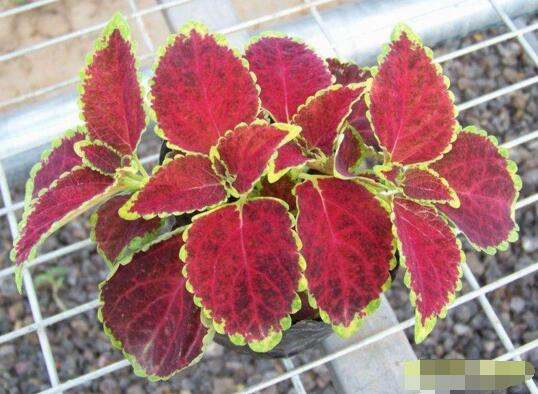
How does coleus get through the winter? Remember four tips: water less, stop fertilizing, increase light, control temperature
Because coleus is not a cold-tolerant plant, it needs proper care in winter to get through the winter smoothly. So how does coleus get through the winter? Besides the temperature not being too low, there are many other aspects that need attention. Let's take a look at how to grow coleus in winter
条件筛选