-

When Does Baby's Breath Bloom? A Detailed Guide to Its Blooming Season
Baby's breath, originally named Gypsophila paniculata (conical stone flower), also known as panicled baby's breath, conical Gypsophila, Gypsophila, conical baby's breath, baby's breath, is a perennial herb in the carnation family (Caryophyllaceae), genus Gypsophila. It is native to the Altay Mountains in Xinjiang and Tashkurgan. So, when does baby's breath bloom?
-
How to Grow and Care for Living Stones (Lithops, "Butt Plants")
Living stones (Lithops) have a peculiar form and brightly colored flowers, giving them high ornamental value, and they are deeply loved by many succulent enthusiasts. So today, the editor will introduce to you the cultivation methods and precautions for living stones, and you can learn them. 1. Cultivation methods
-
How to grow Lithops well? A detailed guide to Lithops care
Lithops is a perennial succulent herb. Its appearance looks quite like a stone. Many people have probably seen Lithops split open, but do not know that it can actually bloom. Its adorable appearance makes many people really want to grow it, but they do not know how to grow Lithops. Below
-
What causes the wrinkling of Lithops
Lithops is a succulent plant with a peculiar appearance. Its shape looks like a stone, with a crack on top, and flowers bloom from the crack. The flowers are white or yellow, brightly colored, and of extremely high ornamental value, deeply loved by many people. However, many people encounter wrinkling during the care process
-
The latest detailed guide to Lithops care methods, helping you easily grow succulents well
Because of its peculiar appearance, Lithops looks very much like a flower blooming from a stone, so it was named Lithops, and is also called the living stone, and is also known as butt flower, stone grass, stone flower, etc. It is small in size, and has been a relatively popular small succulent plant in recent years.
-
The latest cultivation methods and precautions for Lithops
Lithops is a relatively special succulent plant. It has many varieties, but they are all basically stemless, with fleshy leaves and a very thick epidermis, and the colors are also rich and varied. Most importantly, there is a fissure at the top, and a flower will bloom from the fissure, so it is called Lithops.
-
The Latest Cultivation Methods and Precautions for Gemstone Plants
Gemstone plant is a general term for a class of succulents; in common usage it broadly refers to rosette-shaped succulents, such as Pachyphytum 'Amethystinum' (winter beauty), Echeveria 'Hyalina' (jade butterfly), Graptopetalum paraguayense (ghost plant), Echeveria 'Black Prince' (black prince), Pachyphytum 'Peach Beauty' (peach beauty), and others. The fleshy, thick leaves are shaped just like gemstones, with multiple branches of leaves overlapping and clustering together in a rosette-shaped leaf
-
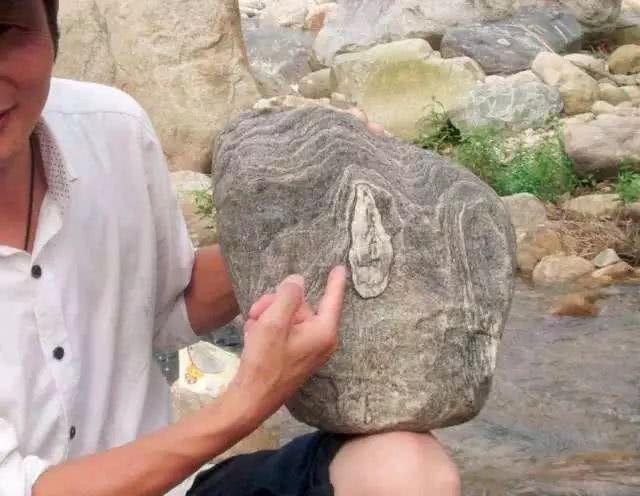
Picking up a stone by the river to plant flowers is not a legend, but a gardening aesthetic
The editor-in-chief really loves stones and going to the river to pick them, which offers the double pleasure of appreciation and luck. Exposing the editor-in-chief's quirky hobby: besides going up into the wild to dig up seedlings, the editor-in-chief also enjoys groping around for stones by the river. In fact, these stones picked up by the river are a perfect match for planting...
-
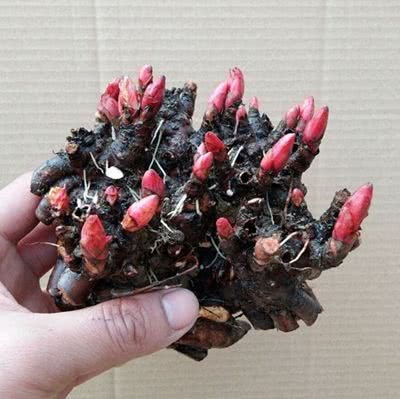
A small stone buried in the soil sprouts and grows into a pot of gorgeous flowers
A small "stone" buried in the soil sprouts and grows into a pot of gorgeous flowers! This is the tuber of the large-flowered peony. If not for the red buds already emerging on top, its dark, uneven appearance really looks like a stone, just...
-
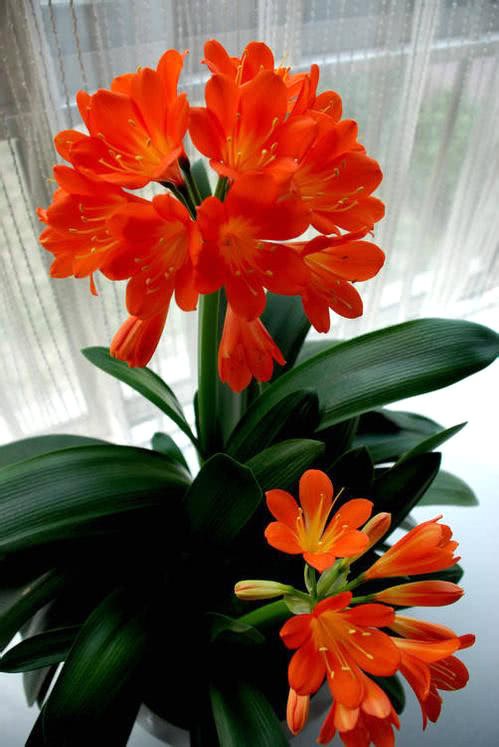
When the soil is as hard as stone, watering it the same way will inevitably cause root rot - a flower lover killed 10 pots this way
More and more people love growing flowers. Growing flowers is a very interesting thing, but it is not simple. You also need to constantly sum up experience during the care process to grow flowers and plants better and better. So, in growing flowers...
条件筛选