-

The hydrangea wilts within a few days - what to do? Cut the overly long stems and soak them in water to keep them fresh and extend the blooming period
The hydrangea blooming period is from June to August. When it blooms, its hydrangea-like flower shape and brilliant, colorful blooms attract countless flower lovers to grow it. But during cultivation, flower lovers often encounter this situation: the hydrangea wilts within a few days! What should be done at this time? At this point, flower lovers should not panic
-
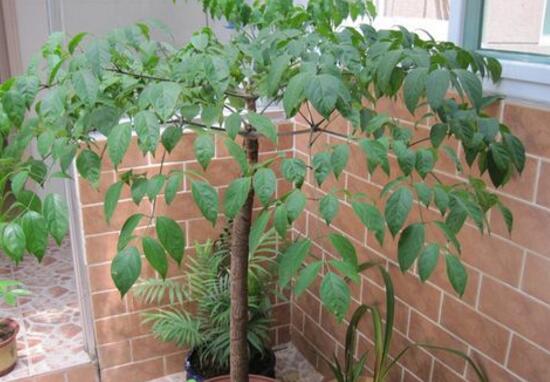
How to make a Radermachera sinica stem thicker? Learn seven tricks, pinching the top is key
The beauty of the Radermachera sinica lies in its lovely name and in its sturdy plant shape, but once the plant grows thin and tall, it will seriously affect its appearance. So how do you make the stem of a Radermachera sinica thicker? For this, based on the growth habits of the Radermachera sinica, the editor has summarized 7 methods to make it grow sturdy
-
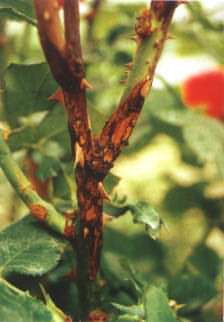
How to prevent and control rose stem canker? Detailed methods and techniques
Rose stem canker usually occurs on the branches and trunk. The lesions are initially small red spots, gradually expanding and turning dark, with the center of the lesion becoming light brown. The brown and purple margins around the lesion contrast noticeably with the green of the stem. The fungus's pycnidia appear when the center of the lesion turns brown. As the pycnidia enlarge
-

What are the control methods for stem rot in dragon tree?
Dragon tree stem rot: After the dragon tree (Dracaena) is infected, small brown spots first appear on the leaves, mostly starting from the leaf margins. When humidity is high, they rapidly expand into elongated or irregular dark brown water-soaked patches, and in severe cases cause the leaves to turn yellow and die. Stem infection mostly enters through wounds, producing irregular black lesions in the phloem
-
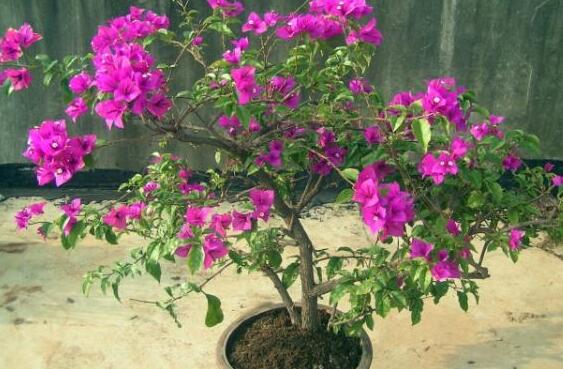
Is Bougainvillea Toxic? The Stems and Leaves Are Toxic but It Is Suitable for Indoor Growing
Bougainvillea, a very beautiful plant, not only has an attractive plant shape, but looks even better when it blooms, especially with its bright flower colors, which are very endearing. However, people often say that the more beautiful a plant is, the more toxic it is, and bougainvillea is undoubtedly very beautiful, so is bougainvillea toxic? Is bougainvillea suitable for indoor growing? On this point
-

Key Techniques for Four-Season Multi-Cutting Cultivation of Stem Garlic
Stem garlic was introduced from Europe and is a perennial crop of the genus Allium in the lily family. Necklace garlic is sown from seed like Welsh onion. Its stems, leaves and scapes resemble those of common garlic, but it is larger and more robust than common garlic, with strong adaptability; it can withstand high temperatures of 40°C and low temperatures of -15°C, and can be sown in spring and autumn in most parts of our country, remaining evergreen all year round. For four-season multi-cutting cultivation, it can be sown from seed like Welsh onion and the seedlings harvested for market, with 1 cutting harvested 60-80 days after sowing, yielding about 2500 kg per mu. If harvesting garlic scapes, seedlings can be raised in summer and autumn, and after 30 days transplanted at a row spacing of 20 cm x 8 cm; scapes bolt in May of the second year after transplanting, with more than 10 tillers per plant, and every tiller can bolt; scapes can be harvested 4-6 times a year, with continuous growth for 5-8 years, during which excess tillers can be pulled out along with their roots for market; the usual yield is about 1500 kg of garlic scapes per mu and more than 5000 kg of stems and leaves.
-
Diagnosis and Treatment of Canine Distemper in Raccoon Dogs
A disease characterized mainly by copious ocular and nasal discharge, along with gastrointestinal, respiratory and neurological symptoms, occurred in raccoon dogs raised at the Bayanhot Special Breeding Farm in Alxa Left Banner. Based on clinical symptoms, necropsy findings and treatment response, it was initially diagnosed as canine distemper. 1 Outbreak situation: The raccoon dogs and foxes raised at the Bayanhot Special Breeding Farm in Alxa Left Banner began to show the disease on March 11, 2002. The farm raised a total of 230 raccoon dogs and 110 foxes, among which 107 raccoon dogs became ill, with a morbidity rate of 46.52%
-
Detailed Explanation of the Cultivation Methods and Technical Key Points for Single-Stem Chrysanthemums
Golden autumn is the season for admiring chrysanthemums, and among ornamental chrysanthemums, single-stem chrysanthemums are the finest. To cultivate single-stem chrysanthemums, the following steps must be done well: Select a plant with excellent flower shape, flower color, and plant form, as well as a vigorous plant that has already flowered, as the mother plant, and strengthen the care of the old roots. To ensure the health of the next generation of cuttings, spray 500-800 times diluted chlorothalonil or carbendazim once every 2 weeks before harvesting cuttings. Take vigorous young shoots from the second or third generation as cuttings. Cuttings are best taken from late May to mid-to-late June. Choose a seedling pot or an eggshell clay pot as the
-
Moderate to slightly light occurrence of the second generation of rice stem borers in Suijiang County in 2007
Rice stem borers in our county include the yellow stem borer (Scirpophaga incertulas), the striped stem borer (Chilo suppressalis), and the giant stem borer (Sesamia inferens). In the riverside area, 3 generations occur per year; in the mid-mountain area, 2 generations occur per year. At present, the first generation in the riverside area has ended, and the second generation is beginning to occur successively. According to observations at our station's Fengchi pest and disease monitoring point, this year's second-generation moth flight began on June 10, 1 day earlier than last year and 2 days later than normal years, with the peak day on June 18, 1 day later than last year and 8 days earlier than the historical average; by June 25, a cumulative total of 234 moths had been trapped, with the yellow stem borer, striped stem borer, and giant stem borer accounting for 94.9
-
How to scientifically control the first generation of the second-brood striped stem borer in single-season rice
Control recommendations 1. For early-sown and early-transplanted single-season rice fields, carry out a full control treatment once from June 20-25, targeting mainly stem borers and small brown planthoppers, and also controlling early-occurring leaf folders and rice thrips. Use 5% fipronil (Regent) suspension concentrate at 40-50 ml/mu, diluted in 30 kg of water for spraying. 2. For fields where rice stripe disease has occurred, on the basis of pulling out and removing diseased plants, promptly apply chemicals to control small brown planthoppers. Use 40% chlorpyrifos (Xinnongbao, Saiben) at 100 ml/mu, diluted in 30 kg of water for spraying, and repeat the treatment after an interval of 5-7 days.
条件筛选