-

Agricultural capitalization threatens China, and the peasantry is splitting apart
Recently, Yan Hairong, a scholar at Hong Kong Polytechnic University, and four young scholars published a striking special feature in Open Times, attempting to voice a view different from the mainstream on the issues of agriculture, rural areas and farmers. In their eyes, Chinese agriculture is undergoing unprecedented change
-
Sharing economy lets farmers profit more: A 50-50 split gives rise to a new agricultural model
Gazing into the distance, rows of white greenhouses stand neatly arranged, stretching on without end; outside the greenhouses the weather is freezing cold, while inside it is as warm as spring, with tomatoes, cucumbers and eggplants growing vigorously; trucks stream by in an endless flow, delivering freshly picked vegetables to sales outlets everywhere... This is what
-
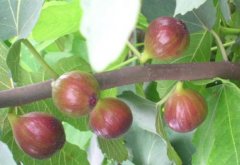
Fresh figs are rarely seen: can you eat the split bottom and the skin?
In the legends of Mediterranean coastal countries, figs are called the "sacred fruit" and are one of the offerings used in sacrifices. They have high nutritional value and are deeply loved by modern people, and the price of figs is also rather expensive. But when you are selecting and eating them, do you
-
What to Do When Chinese Cabbage Splits Its Heads? Causes and Control Methods Explained
Chinese cabbage, a biennial herb, 40-60 cm tall, usually the whole plant is hairless, sometimes with a few bristles on the midvein on the underside of the leaves. Native to northern China, it is a leafy vegetable of the genus Brassica in the family Brassicaceae, usually referring to Chinese cabbage (napa cabbage); it also includes bok choy and the heading cabbage derived from cultivated varieties of cabbage, namely "round cabbage" or "foreign cabbage". Introduced to the south, it is cultivated throughout the north and south. It was introduced to Japan, Europe and the United States in the 19th century. There are many kinds of Chinese cabbage; northern Chinese cabbage includes Shandong Jiaozhou Chinese cabbage, Beijing Qingbai, Tianjin Qingmaye Chinese cabbage, Northeast Daaicai, Yutian Chinese cabbage, Shanxi Yangcheng Damaobian, and others. Chinese cabbage is eaten for its tender head, rosette leaves or flower stalks. It is widely used, and its cultivation area and consumption rank first among all vegetables in China.
-
What to Do When Garlic Bulbs Split Apart? Sharing Practical Countermeasures
Garlic Allium sativum L. (Garlic) belongs to the lily family, genus Allium, and its bulb is used as medicine. Harvest in spring and [purple-skin garlic] summer, tie into bundles, hang in a ventilated place, and dry in the shade for later use. When the leaves wither in June, dig it up, remove the mud and sand, and dry it in a ventilated place or roast it until the outer skin is dry. Garlic is flatly spherical
-
Why do dragon fruit crack just as they turn red
Dragon fruit plants are currently entering their peak flowering period. Their flowers generally begin to open 1 to 1.5 hours before sunset, and by dawn the corolla gradually closes, then withers after the sun rises. During this period, the flowers complete the process of self-fertilization. But at present, heavy rain and torrential rain
-
What are the precautions for freshwater shrimp (Macrobrachium nipponense) farming in spring?
1. Timely split stocking. When the water temperature rises above 20°C, freshwater shrimp begin molting, and at this time the shrimp body is easily bruised and infected. Before stocking, do a good job of drying the pond, and use quicklime, active iodine and other drugs for rapid disinfection; for ponds with moss, green algae, and blue-green algae, spray the entire pond once with copper sulfate.
-
What causes melon fruit splitting
Variety issues, soil that is too dry, imbalanced water supply, too much vibration during harvest, overwatering, adding too much organic fertilizer, and so on can all cause melons to split. 1. What causes melon fruit splitting 1. Variety reasons: thin-skinned and crisp-skinned varieties
-
How to Grow the Formaldehyde-Absorbing Swiss Cheese Plant So Its Leaves Split: Care Methods and Precautions
The name Swiss cheese plant (Monstera deliciosa) may be unfamiliar to friends who do not grow greenery; it is very popular in tropical regions and is generally cultivated in greenhouses. The Swiss cheese plant is also known as Penglai banana, iron wire orchid, and so on. As a plant of the Araceae family, it has its own unique charm.
-
Is Monstera Deliciosa Toxic? Can It Be Grown Hydroponically Indoors and How to Care for It When the Leaves Don't Split
Monstera deliciosa, also known as Penglai banana, iron-wire orchid, and perforated Philodendron, is a common evergreen shrub of the genus Monstera in the Araceae family. Because it can absorb harmful gases such as formaldehyde and benzene, it is called a "natural air purifier." At present, many people like to keep it indoors, so is Monstera deliciosa toxic
条件筛选