-

Occurrence Patterns and Control Methods of the Citrus Whitefly
The citrus whitefly, Dialeurodes citri (Ashmead), also known as the citrus whitefly, Tongcao whitefly, and orange-yellow whitefly. In recent years, damage in citrus orchards across the counties (districts) of northwestern Fujian has been extremely severe, spreading from localized outbreaks to contiguous occurrence, with a worsening trend. Adults and nymphs suck plant sap
-
-
-
-
-
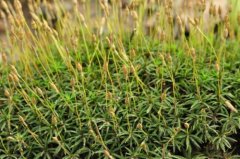
Common moss plant Pogonatum pictures and cultivation, is Pogonatum spinulosum easy to grow?
Pogonatum, is a type of moss plant, this kind of moss plant has high medicinal value, and is a common moss plant, distributed throughout the country. It can also be seen all year round. So this moss is very easy to grow. The medicinal use of Pogonatum is generally
-
A Detailed Guide to the Occurrence Characteristics and Control Techniques of the Tea Black Spiny Whitefly
The black spiny whitefly mainly feeds on tea plant sap from the undersides of leaves as larvae and excretes honeydew, which attracts sooty mold fungi and induces sooty mold disease; in severe cases, the tea plants turn pitch black. Affected tea plants have reduced photosynthetic efficiency, lower sprouting density, delayed sprouting, thin and weak buds and leaves, and severe leaf drop, which not only affects tea yield and quality but also seriously affects the vigor of the tea plants. I. Occurrence Characteristics This pest has 4 generations per year, overwintering as mature larvae on the undersides of tea leaves, pupating in March of the following year; the peak periods of the 1st to 4th generation larvae are in late May, mid-July, late August, and late September to early October, respectively.
-
Identification Methods and Control Techniques for the Tea Black Spiny Whitefly
The black spiny whitefly, also known as the citrus spiny whitefly, belongs to the order Homoptera, family Aleyrodidae. It can damage tea plants, citrus, pomelo, oil tea and many other plants, with omnivorous feeding habits. The larvae settle on the undersides of leaves, piercing and sucking sap, and excrete "honeydew", which leads to sooty mold, hinders photosynthesis, weakens tree vigor, causes sparse buds and leaves, and can even cause branches and leaves to wither. The adult of this insect is 0.95-1.35 mm long. Apart from the orange-yellow abdomen, the body and wings are purplish brown. The front wings have 7 white spots along the margin, while the hind wings are light brown and spotless. The body surface is thinly covered with white waxy powder, and the compound eyes are red. The eggs are banana-shaped
-
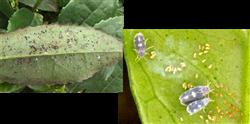
What are the control methods for the tea black spiny whitefly?
How to control the tea black spiny whitefly? Please advise. The tea black spiny whitefly causes obvious damage to the tender buds and tender leaves of tea. Generally, what is found causing damage on tea garden leaves is the nymph of the tea black spiny whitefly, and most tea farmers do not recognize the adult of the tea black spiny whitefly. The feeding damage of large numbers of adults directly affects the quality and yield of tea processing. ...
-
条件筛选