-

What to Do About Mushroom Spawn Degeneration? Causes and Countermeasures Explained
Causes of and Countermeasures for Mushroom Spawn Degeneration
-
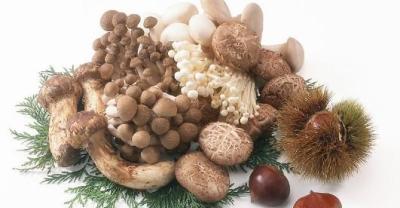
Detailed Explanation of the Preparation Method for Mushroom Spawn
Mushroom spawn is made by expanding mother spawn, and all mother spawn media can be used to prepare spawn. The preparation of spawn substrate is basically the same as that of mother spawn. (...
-
Road and bridge dismantling boss becomes a major nursery stock grower, environmental remediation spawns a new industry
Environmental remediation in Luqiao spawns a new industry: dismantling boss becomes a major nursery stock grower
-
Ecological cattle farming spawns multiple paths to prosperity in Nanjiang
Nanjiang: Ecological cattle farming spawns multiple paths to prosperity
-
How can you tell good straw mushroom spawn from bad? You need to know these few methods
Before cultivating straw mushrooms, the quality of the spawn must be assessed, and high-quality spawn should be selected whenever possible. The appearance of high-quality spawn is: thick and sturdy hyphae, uniform development of the upper and lower hyphae, and aerial hyphae that are white or semi-transparent. The specific identification methods are: 1. For spawn used for cultivation, the spawn age is around 30 days, the hyphae are thick, sturdy and dense white, there are light brown chlamydospores on the hyphae, and after removing the cotton plug, the aroma of straw mushrooms can be smelled. This kind of spawn is high-quality spawn; after sowing, it colonises the substrate quickly and grows vigorously. If there are very few chlamydospores, it means the hyphae are still young and tender, and it can be left to continue growing
-
Key Technical Points for Temperature Management During the Spawn-Running Stage of Oyster Mushrooms
When oyster mushroom mycelium grows thick and vigorous, the spawn-running success rate is high; especially in the sterilized-substrate cultivation process, the mycelium has a lower chance of being infected by contaminant microorganisms than other varieties. However, in the raw-material cultivation process, its temperature requirements during the mycelial growth stage are very strict. Therefore, correctly mastering the suitable spawn-running temperature is the key to ensuring the success of raw-material cultivation of oyster mushrooms. Oyster mushroom mycelium grows vigorously at 20°C-30°C and has strong resistance to contaminant microorganisms; even if occasional contamination occurs, the oyster mushroom mycelium can penetrate and consume it, and the spawn runs quickly, with the mycelium
-
How to prevent mushroom spawn degeneration? Practical control methods
Spawn degeneration can lead to slow mycelial growth, weakened resistance to the environment, contaminant microorganisms and so on, an earlier or delayed fruiting body formation period, and indistinct flushes of mushrooms. There are many causes of spawn degeneration, among which impure spawn and gene mutation are the main reasons; in addition, excessively high temperatures and mixed cultivation of different strains can all cause spawn degeneration. Measures to prevent spawn degeneration include: ensuring pure culture of the spawn, taking care not to use spawn contaminated by foreign microorganisms, and not cultivating in close proximity connected to each other; strictly controlling the number of subcultures, reducing mechanical damage,
-
Detailed Explanation of Broodstock Induced Spawning Techniques in Turbot Aquaculture
Turbot is found in sea areas from the Mediterranean to the coast of Norway. In Europe, turbot is a valuable cultured fish species. Over the past 10 years, turbot aquaculture has continued to develop. Turbot aquaculture production increased from 150 tonnes in 1985 to 3,700 tonnes in 1998. In the coastal waters of the Atlantic, natural reproduction of turbot occurs in summer; however, by artificially controlling the photoperiod and water temperature, or by controlling only the photoperiod, turbot may spawn year-round. Turbot spawns in batches, with as many as 10 spawning events during the reproductive period. Under captive conditions,
-
-
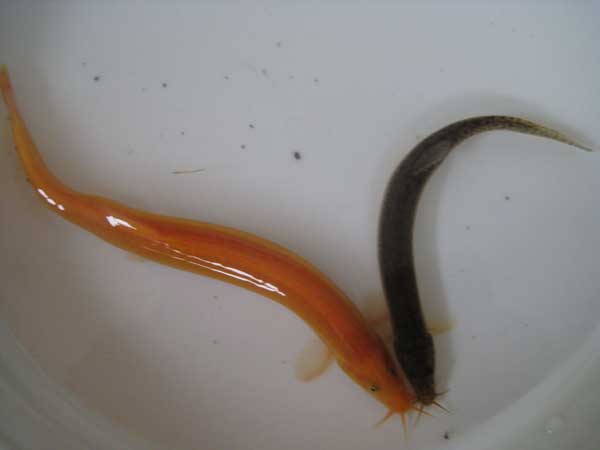
Detailed Explanation of Basic Knowledge on Loach Induced Spawning Techniques
Basic Knowledge on Loach Induced Spawning
条件筛选