-

Is the Peace Lily (Spathiphyllum) Toxic? Grow It This Way for Lush, Thriving Plants
The peace lily is a potted plant prized for both its foliage and its flowers. Its symbolic meaning is "smooth sailing and a successful career," which is why it is so widely loved. Whether you grow it at home yourself or give it as a gift, it is an excellent choice. Not only that, the peace lily is also a
-
Peace Lily (Spathiphyllum, also known as "Smooth Sailing") Potted Care Methods and Precautions: 4 Tips to Fix Drooping Leaves
Many people place a few pots of "Smooth Sailing," also known as the peace lily, in their homes or offices. The peace lily has upright, elegant flower stems, fresh and pleasing leaves, vigorous growth, and is tolerant of shade, making it a very popular potted plant with an auspicious meaning as well. Today we will introduce to everyone
-
Can a Peace Lily (Spathiphyllum) Be Placed in the Bedroom to Absorb Formaldehyde, and Two Major Placement Taboos
Peace lily is a common foliage plant we often see, and many people also call it Spathiphyllum. This flower symbolizes a successful career and smooth sailing, so it is deeply favored by people. Can a peace lily be placed in the bedroom? What are the placement taboos? Does it absorb formaldehyde? 1. Intro
-
Do Spathiphyllum (peace lily), crape myrtle, rhododendron, Phalaenopsis, baby's breath, and bougainvillea bloom all year round?
Spathiphyllum (peace lily), rose, rhododendron, Phalaenopsis, baby's breath, and bougainvillea are six beloved flowering plants, so do they bloom all year round? According to the plant encyclopedia, only rhododendrons have year-round blooming varieties; the others do not bloom all year round.
-
Peace Lily Leaves Drooping? Cause Analysis and Solutions
The peace lily, also known as Spathiphyllum, is a perennial herbaceous plant of the Araceae family, and it is very beautiful when in bloom. Placing a Spathiphyllum in the home has the effect of absorbing waste gases in the home, so it is very suitable for placing in the home, especially in newly renovated houses. Even when it is not in
-
A Detailed Guide to the Latest Propagation Methods for Peace Lilies
The peace lily is a perennial herbaceous plant of the genus Spathiphyllum in the Araceae family, native to tropical America. It prefers high temperatures, high humidity and semi-shaded conditions, and is an important ornamental flower worldwide. It began to be used for potted ornamental display in the early 20th century. Its propagation methods mainly include division, sowing and tissue culture.
-
How to Grow Peace Lilies (Spathiphyllum) and What to Watch Out For When the Leaves Droop and Turn Yellow
Peace lily, also known as Spathiphyllum, white anthurium, spathe lily, and peace lily, is called "peace lily" among gardeners because of its auspicious meaning, and is often used for indoor greenery and decorative arrangements. Below I will introduce in detail the cultivation methods and precautions for peace lilies. Wishing everyone a smooth and prosperous new
-
How to Grow Alocasia (Drooping Spathiphyllum)? Introduction to Water and Soil Cultivation Methods
Alocasia, also known as Drooping Lotus and Bergamot Lotus, has a delicate inner essence, with large leaves that are not ostentatious, subtle and understated. Because its flowers resemble Guanyin and it drips water from the leaf tips when well-watered, it has earned the beautiful name "Drooping Guanyin," and is often used by people to decorate interiors. Despite its beautiful name and inner refinement
-
What are the precautions for growing Peace Lily (Spathiphyllum) hydroponically?
1. Light: Peace Lily likes sunlight and is also fairly shade-tolerant, but it dislikes intense light, so it can be grown year-round indoors in a spot with bright, indirect light. 2. Water: The water in the bottle must not completely submerge the plant's root system; the water level should be about two-thirds of the root length. The water temperature should be kept close to room temperature
-
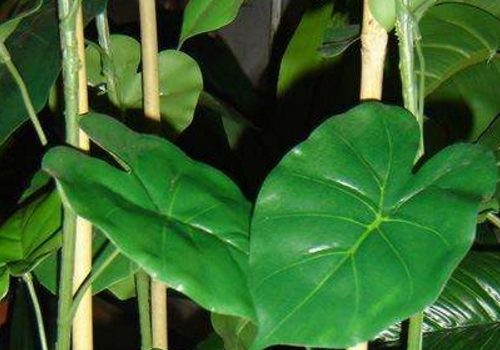
Why does Alocasia macrorrhizos get root rot and how is it different from Spathiphyllum
Alocasia macrorrhizos, many people have seen it, they just don't know its name. Why does Alocasia macrorrhizos get root rot? How is it different from Spathiphyllum? Why does Alocasia macrorrhizos get root rot: 1. Root rot in soil-grown Alocasia macrorrhizos is mainly caused by the potting soil being too wet. When the potting soil is too wet, the rhizomes of Alocasia macrorrhizos easily rot. The cause of overly wet potting soil may be that you watered too much, leading to water accumulation in the pot, or it may be that the soil is highly clayey, has poor aeration, and easily retains water on its own.
条件筛选