-

The latest methods for collecting stumps and sourcing material for Syzygium buxifolium bonsai
Syzygium buxifolium is a wild evergreen shrub of the mountainous regions of Jiangnan, and is rarely cultivated artificially. According to its ecological habits and biological characteristics, it can be propagated by sowing or cuttings. However, for making bonsai, wild plants or old stumps are mostly used. Collecting from the wild: in the mountains and hills of Jiangnan,
-
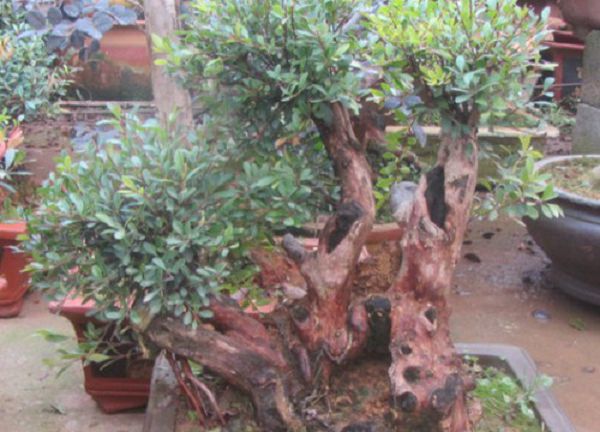
Methods and techniques for collecting stumps and sourcing material for Syzygium buxifolium bonsai
Collecting stumps and sourcing material for Syzygium buxifolium bonsai
-
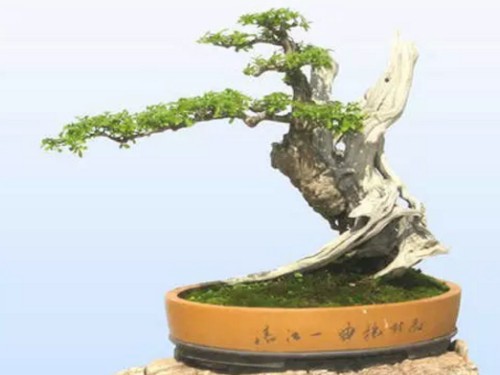
Detailed Guide to Sourcing Methods and Cultivation Techniques for Ash Bonsai
Ash trees belong to the genus Fraxinus in the family Oleaceae. They are deciduous trees widely planted in China. They prefer sunlight and tolerate slight shade. They can be propagated by sowing seeds, as well as by cuttings, division and layering. Ash trees have strong sprouting ability, a high survival rate and fast growth, making them excellent material for making bonsai with grafted osmanthus. Discarded ash stumps can be used
-
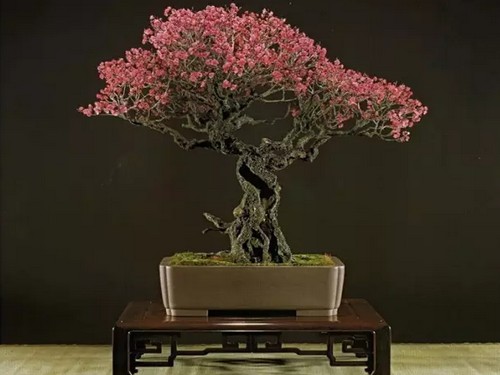
A Detailed Guide to Sourcing and Cultivating Deciduous Bonsai
In bonsai study, the deciduous category refers to using ancient mountain trees in nature as models, subjecting bonsai to artistic processing and shaping so as to achieve the goal of condensing a dragon into an inch, cultivating them into artworks that originate from nature yet surpass nature; they are a non-renewable resource. Below, let us introduce the sourcing and cultivation methods for deciduous bonsai.
-
Sourcing and Cultivation Methods for Serissa Bonsai
Serissa japonica blooms with pure white flowers in midsummer, and the flowers are so dense that they look like snow, which is how it got its name. Serissa japonica is an evergreen small shrub, suitable for making miniature bonsai, and can be placed indoors to accent the environment. Serissa japonica is also known as snow-in-summer; its leaves are tiny, and it produces small white flowers in midsummer, hence the name June Snow. Bonsai made from Serissa japonica feature exposed roots and visible claws
-
Sourcing Methods and Cultivation Techniques for Five-Needle Pine Bonsai
The five-needle pine has vigorous, gnarled branches and trunks, dense foliage and short needles, lush green growth, and elegant form, making it a precious ornamental tree species for bonsai. It is suitable for viewing in all four seasons, and in the cold winter it remains as green as ever, which is especially valuable. During the growing season, the five-needle pine should not be kept indoors for long periods for viewing, otherwise, due to insufficient light and poor ventilation, it will suffer from disease
-
A Detailed Guide to Sourcing Methods and Cultivation Techniques for Tamarisk Bonsai
Tamarisk, also known as Sanchun willow, red willow, or sand willow, is a shrub or small tree of the genus Tamarix in the family Tamaricaceae. It is one of the main representative tree species of Zhongzhou bonsai. It grows well under almost any conditions, has exceptionally strong sprouting ability, roots as soon as it is planted, and takes shape quickly. Its leaf form is novel, its flowers are beautiful, and its flowering period is long; it has the reputation of flowers that do not fall.
-
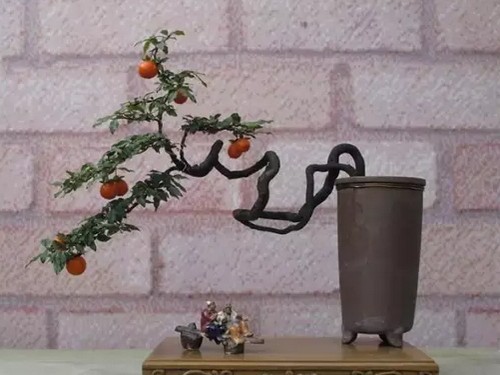
Detailed Guide to Sourcing and Cultivating Diospyros cathayensis Bonsai
As a fruit-bearing bonsai species, Diospyros cathayensis is cherished by bonsai enthusiasts everywhere. It is widely admired not only for its small, glossy dark-green leaves, fragrant flowers, fine fruit and black bark, but also because it is easy to grow and highly tolerant, and above all because it is long-lived and can be passed down through generations.
-
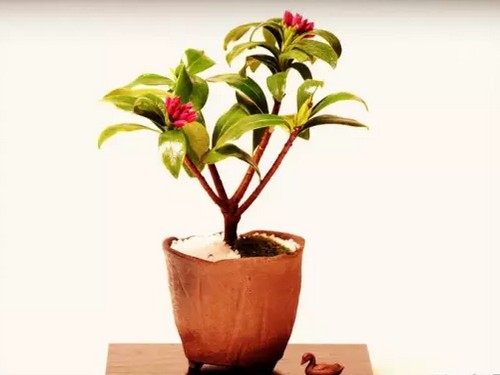
Detailed Explanation of Sourcing and Cultivation Methods for Daphne Bonsai
Daphne is native to China and is a traditional famous flower of China. Daphne blooms in early spring with a rich fragrance, and its variety Daphne odora 'Aureomarginata' is the finest among daphnes, hence the saying that among peonies the national beauty and heavenly fragrance, among daphne flowers the golden-edged one is best. It blooms between March and May, with terminal head-like inflorescences, and the corolla is yellow-white to light purple, like that of lilac, with a strong fragrance
-
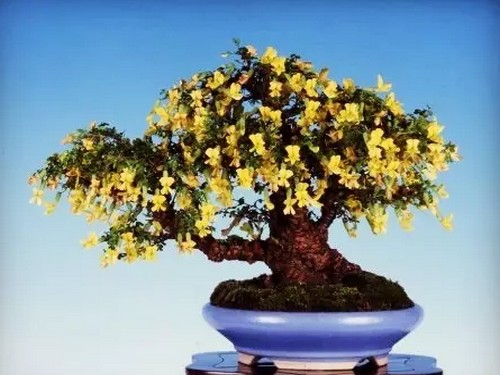
Sourcing methods and cultivation techniques for Caragana bonsai
The Caragana trunk resembles ancient iron, and when it blooms the whole tree turns golden yellow. It is suitable for planting at forest edges, along roadsides or beside buildings. This species has bright green leaves and beautiful flowers. In gardens it can be planted beside rocks, along small paths, or used as a hedge, and it can also be used as bonsai material. For Caragana bonsai styling, those with a single gnarled trunk and an elegant, antique posture are considered the best
条件筛选