-
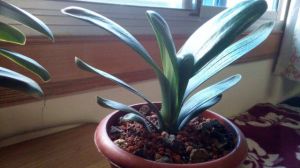
What to Do About Yellow Leaves on Clivia? Cause Analysis and Solutions
Proper lighting: Clivia easily develops yellow leaves after strong sun exposure, so give it diffused light or shade it; reduce water: waterlogged soil affects root respiration, so change your watering method and water only when the soil is dry; fertilize appropriately: fertilizer that is too concentrated or not fermented causes yellow leaves, so use decomposed fertilizer or dilute it properly. If it is normal aging, simply cut off the yellow leaves.
-
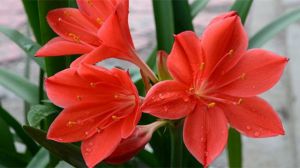
What to do when Cymbidium leaves turn yellow? Causes and solutions
There are four solutions for yellowing Cymbidium leaves: if it is due to too low temperature, raise the temperature to 18-23°C, and to 5-10°C in winter; if it is due to exposure to the sun, place it where there is no direct sunlight; if it is due to overwatering, reduce the frequency of watering and place it in a ventilated, dry spot; if it is due to improper fertilizer use, switch to fermented, decomposed cake fertilizer.
-
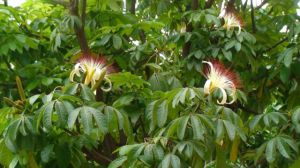
What to Do When Pachira Leaves Turn Yellow? Cause Analysis and Solutions
There are many reasons why Pachira leaves turn yellow: if it is caused by improper watering, then control the amount of water well and water reasonably. If it is caused by improper light exposure, then give it an appropriate amount of light and do not let it be exposed to direct strong light. If it is caused by too much fertilizer, then fertilize scientifically. If it is caused by low temperatures, then pay attention to keeping it warm.
-
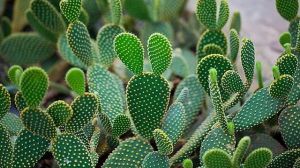
How to Rescue a Cactus with Root Rot? Practical Solutions to Share
To solve the problem of root rot in a cactus, first take it out of the pot, cut off the rotten parts and disinfect them, then place it in a ventilated spot to dry. Once completely dry, insert it into the potting soil. In normal care, control the amount of watering well, do not let water accumulate, and do not fertilize too much or too frequently, so as to avoid root rot.
-

What to Do About Tulip Root Rot? Cause Analysis and Solutions
There are many causes of root rot in tulips: if it is caused by excessive watering, then reduce the amount of watering appropriately and keep the watering frequency under control. If it is caused by poorly aerated soil, then replace it with loose, well-aerated soil. If it is caused by too much fertilizer, then keep the fertilizer amount under control.
-
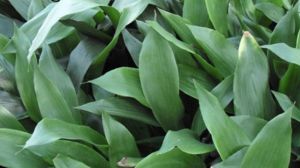
What to Do If a Cast Iron Plant (Aspidistra elatior) Has Root Rot? Causes and Solutions Here
There are many causes of root rot in the cast iron plant (Aspidistra elatior): if it is caused by poorly aerated potting soil, then replace it with well-aerated potting soil. If it is caused by too much watering, then reduce the amount of watering and make sure no waterlogging occurs. If it is caused by low temperatures, then appropriately increase the growing temperature. If it is caused by too much fertilizer, then control the amount of fertilizer applied.
-
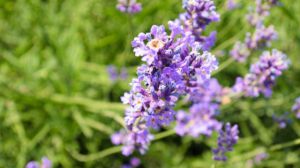
What to Do About Root Rot in Lavender? Causes and Solutions
There are many causes of root rot in lavender: if it is caused by poor soil drainage, then replace it with soil that drains and breathes well. If it is caused by frequent watering or too much water, then reduce the amount of watering and follow the principle of watering when dry and letting it dry out between waterings. If it is caused by improper fertilizing, then fertilize on schedule and do not apply too much. If it is caused by low temperatures, then adjust the temperature appropriately.
-

How to Rescue a Rhododendron That Is Dropping Leaves? Causes and Solutions Explained
There are many reasons a rhododendron drops its leaves: if it is caused by insufficient nutrients, you need to fertilize promptly to replenish nutrients; if it is caused by improper watering, you need to water reasonably; if it is caused by insufficient sunlight, you need to increase the light duration.
-
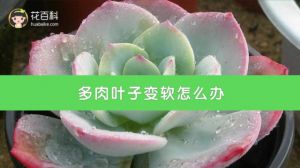
What to Do When Succulent Leaves Turn Soft? Causes and Solutions
There are many reasons why succulent leaves turn soft. If this happens just after repotting or during the dormant period, no special treatment is needed; if it is caused by overwatering or underwatering, the roots need to be trimmed and the plant repotted; if it is caused by sunburn or frost damage, the leaves that have turned to mush should be removed, and after sterilization the plant can be repotted.
-
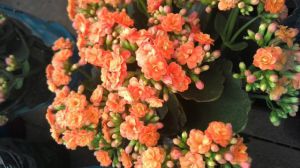
Reasons for and Solutions to Leggy Growth in Kalanchoe (Kalanchoe blossfeldiana)
Pinching: This should be done as early as possible, when the branches are 4-6cm long, to prevent the kalanchoe from growing too fast; Topping: Once it grows to 10cm or more, keep 3-5 pairs of leaves and remove the terminal bud to regrow; Thinning: Cut off the clustered and weak branches to keep the flowering branches compact. In addition, you can take cuttings once every 2-3 years to ensure a good plant shape.
条件筛选