What to Do About Yellow Leaves on Clivia? Cause Analysis and Solutions
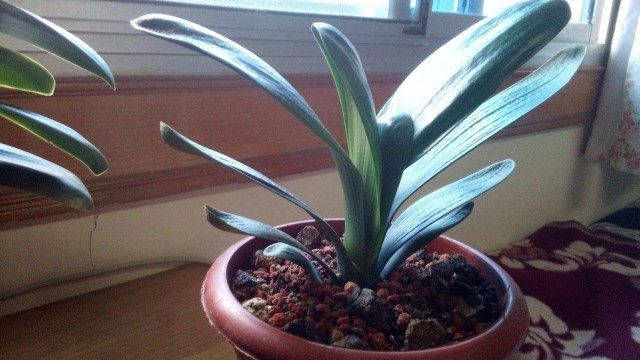
1. Diffused light
Cause: Clivia is a semi-shade plant, and exposure to strong light will scorch its leaves, causing the leaves to turn yellow.
Solution: Move the plant from a spot with strong light, such as a balcony, to a place with relatively soft light, or provide shade.
2. Supplemental light
Cause: Clivia likes light but fears strong light. If there is not enough light, the plant's photosynthesis will be insufficient, growth will slow, and the leaves will turn yellow.
Solution: Ensure a certain amount of light time. In winter, Clivia can be placed in a bright spot for a long time; in hot summer, place it beside a north-facing window, where it can get light in the morning and evening.
3. Reduce water
Cause: Overwatering leads to water accumulating in the pot, the plant's roots cannot breathe properly and become oxygen-deficient, resulting in poor growth and yellow leaves.
Solution: When watering, water thoroughly once, then water again only when the soil is dry. If you water too much at one time, move the plant to a ventilated, dry place or raise the flowerpot to speed up water evaporation.
4. Fertilize appropriately
Cause: Fertilizer that is too concentrated or raw fertilizer applied directly will burn the plant's roots and cause yellow leaves.
Solution: Dilute cake fertilizer or compost raw fertilizer until decomposed, then add it to the potting soil, and reduce the frequency of fertilizing.
5. Points to note
(1) Prevent pests and diseases: If the plant is attacked by a virus, parts of it will turn yellow and yellow spots will appear, so spray medicine promptly.
(2) Normal growth: Clivia ages normally after 3 years, and yellowing of the outer leaves is a normal phenomenon; simply cut off the aged outer leaves.