-
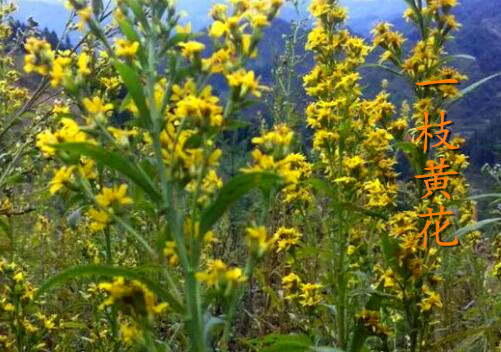
What is the Chinese herbal medicine Solidago decurrens also called? Its four major effects can treat these diseases
The Chinese herbal medicine Solidago decurrens is a plant of the genus Solidago in the Asteraceae family. Because its single stem grows straight up and it blooms yellow flowers in autumn, it is called "one-stem yellow flower" (yizhihuanghua). It and the famous invasive species Canada goldenrod (Solidago canadensis) belong to the same family but different species. So what is the Chinese herbal medicine Solidago decurrens also called? What are its effects and actions? Introduction to Solidago decurrens
-
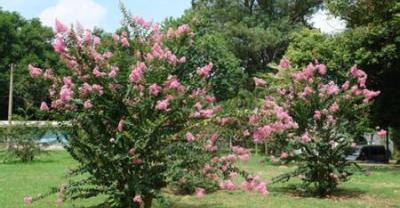
Xu's crape myrtle cultivation skills are solid; his methods are worth learning from.
President Xu's assistant sent several more pictures. He said: Fairy, have these crape myrtles grown bigger again? President Xu's assistant was formerly the finance manager at his company. After...
-

Fine Management Techniques for Cotton at the Seedling Stage to Build a Solid Foundation for High Yield
Cotton seedling-stage management is crucial, as it directly determines whether the cotton can build a good framework for high yield and whether the reasonable transition from vegetative growth to reproductive growth can be properly adjusted. The principles of seedling-stage management are: first ensure a full stand, and on this basis cultivate strong seedlings and promote early seedling development. The key points of seedling-stage management are: check the seedlings promptly after sowing, and if rotten sprouts or rotten seeds are found, reseed in time. Thinning and final thinning: thinning can be done in two rounds. The first is after the seedlings emerge evenly, keeping strong seedlings and pulling out weak and diseased ones. The second is at the 1-2 true leaf stage, and final thinning is at the three-leaf stage, when the base of the stem has already become lignified and its ability to resist adverse environments has increased. Intertillage: through intertillage, soil temperature can be raised, water evaporation reduced, root growth promoted, strong seedlings cultivated, and early development encouraged. At the seedling stage, intertillage is generally carried out 3 times. The first is at the cotyledon stage, together with thinning. Early intertillage can raise the soil temperature around the seedling roots, promote early root development and increase absorptive capacity, so that true leaves emerge earlier and seedling stress resistance is enhanced. It can also break up soil compaction and help preserve soil moisture. The depth of this intertillage is 4-5 cm. At this time it is already June, the temperature is rising, the root system is already relatively strong, and aboveground growth is accelerating. Deep intertillage can disperse surface soil moisture, promote roots to go deeper, and control internode length, which is even more important in relatively fertile cotton fields. Fertilization: growth at the seedling stage is relatively slow, and topdressing should be based on seedling condition, applied early, lightly, or not at all. Irrigation and drainage: in single-crop cotton fields in northern cotton regions, if enough pre-sowing moisture irrigation has been applied, do not water at the seedling stage; do a good job of intertillage and moisture conservation. If watering is truly needed, then water lightly with a small amount, irrigating every other furrow, and after watering carry out intertillage to conserve moisture, improve aeration, and raise soil temperature. At the seedling stage, the suitable field capacity of the soil is 55%-70%. Disease and pest control: the main diseases and pests of cotton at this stage are cotton Fusarium and Verticillium wilt, cotton aphids, cotton bugs, cotton bollworms, cotton red spiders, and so on.
-
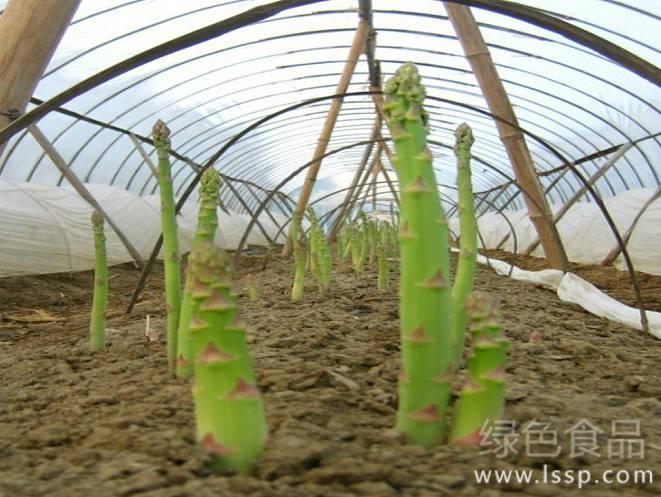
Winter field management techniques for asparagus to lay a solid foundation for high yields
Laying a solid foundation for high yields: winter field management techniques for asparagus
-
-
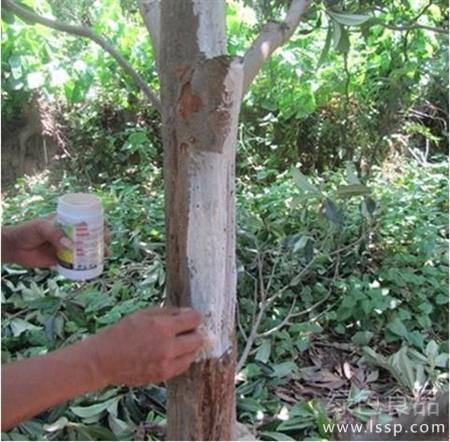
Key management points for loquat after fruit harvest to lay a solid foundation for a bumper crop next year
Key management points for loquat after fruit harvest to lay the foundation for a bumper crop next year
条件筛选