-
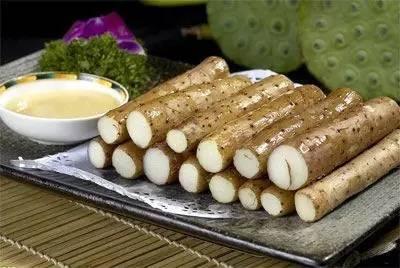
Under the sluggish Chinese yam market, growers face a difficult choice: who foots the bill?
Chinese yam growers face a difficult choice: who pays for the unsold market?
-

Why has new wheat purchase and sales been so sluggish recently?
Why has new wheat purchase and sales been so sluggish recently?
-
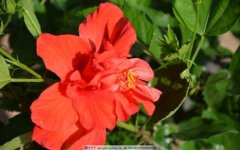
Hibiscus Flower Cultivation Methods, Precautions, and the Harm Caused by the Pest Slug Moth
Hibiscus grows in sparse mountain forests. It grows easily and has strong stress resistance. It prefers a warm, humid climate, is not cold-tolerant, and requires ample sunlight. It likes light and is not shade-tolerant. It is suited to slightly acidic soil rich in organic matter with a pH of 6.57. Cultivation Methods for Hibiscus - Potted
-
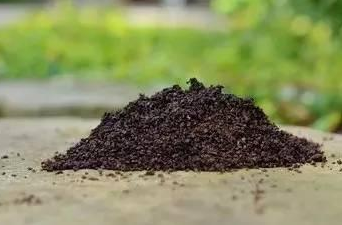
Coffee grounds for growing flowers can supplement nitrogen fertilizer and are also a slug killer
When it comes to coffee, many people nowadays really love drinking it, and so many coffee grounds get dumped everywhere. Coffee grounds are also very nutritious. Let's take a look at how to use coffee grounds for growing flowers: as mulch, coffee grounds are also a very good mulch, and they can help keep moisture in the soil
-
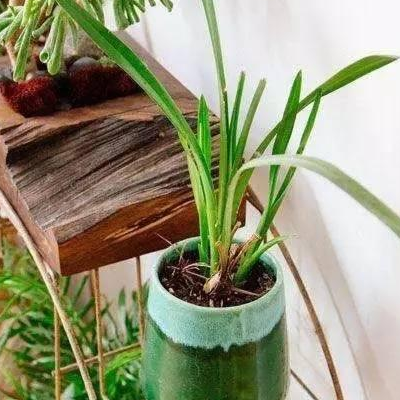
Can baking soda kill slugs when used in gardening? A detailed guide to the correct usage
Baking soda is extremely common in daily life, but don't underestimate it - it can be used for gardening. What are the ways to use baking soda in gardening: as a fungicide, mix 4 teaspoons of baking soda with 4 liters of water, very effective for disinfecting and killing bacteria. For cabbage worms, make a powder with an appropriate amount of baking soda and flour
-
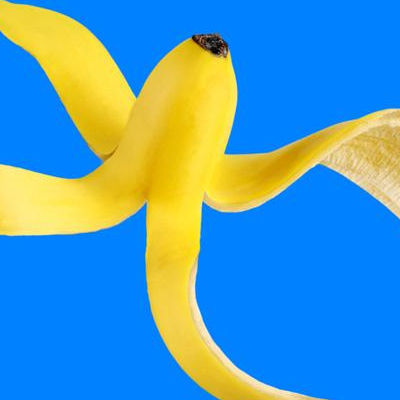
How do you make flower fertilizer from banana peels, and can it also kill slugs?
Banana peels, everyone has seen them, and they are just that appealing. How do you turn banana peels into flower fertilizer? Make a nutrient solution: 1. Find a larger plastic bottle, wash it clean, and fill it one-fifth with water. 2. Chop up the banana peels, add them to the plastic bottle, and put the lid on but not too tightly.
-
What to Do About Slug Moth Caterpillars Harming Cherry Blossoms? A Detailed Guide to Prevention and Control Methods
What harm do slug moth caterpillars do to cherry blossoms? How can they be controlled? Slug moth caterpillars mainly cause damage by their larvae chewing on cherry blossom leaves. Newly hatched larvae gather in groups to gnaw the leaf flesh, leaving the epidermis behind; after growing larger they disperse and cause damage, and in severe cases they can eat all the leaves on an entire branch. There are many species of slug moths that harm cherry blossoms, including the brown-edged green slug moth, the Chinese green slug moth, the camphor slug moth, and the small black slug moth. Adult slug moths are mostly densely covered with scales and hairs, generally yellow-brown to green, with simple red or brown markings. Their larvae are commonly known as stinging caterpillars, with branched spines and venomous hairs on their bodies that can irritate
-
What are the control methods for mushroom slugs?
Morphological characteristics The wild slug (Deroceras agreste) has a soft body without a shell, dark gray, yellowish white or grayish red in color, and secretes colorless mucus; when extended, its body length is 30-40 mm and width 4-6 mm. The two-lined mucous slug (Philomycus bilineatus) is soft and shell-less, grayish white or pale yellowish brown, secretes milky white mucus, and when extended measures 35-37 mm in length and 6-7 mm in width. The yellow slug (Limax flavus) is soft and shell-less, dark orange or yellowish brown, secretes pale yellow mucus, and when extended reaches 120 mm in length and 12 mm in width. Occurrence pattern and living habits
-
Identification and Control Methods of the Slug Pest in Ganoderma lucidum
Slugs (SLuge), also known as shuiyanyou, bittichong, etc. They belong to the phylum Mollusca, class Gastropoda, order Stylommatophora, family Limacidae. The species that damage edible fungi include the wild slug (Agrioli-naxagrestisLinnaeus), the two-lined sticky slug (PhiolomycusbilimeatusBenson), and the yellow slug (LimaxflavusLinnaeus). 1. Morphology and habits (1) The wild slug has a soft body without an outer shell, dark gray
-
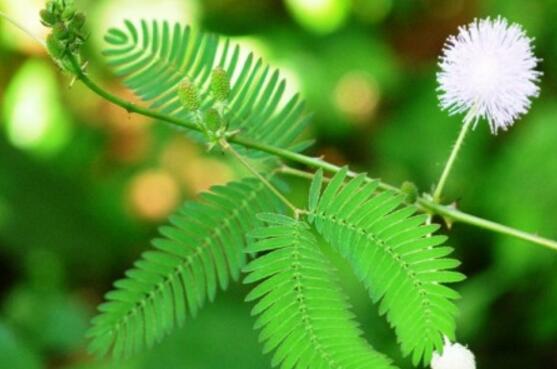
What to do when a mimosa plant gets slugs? Use pesticide promptly to spray and control pests and diseases
As a plant that can move, the mimosa (Mimosa pudica) is welcomed and loved by everyone, and is kept at home by many flower lovers, adding a lot of color to our lives. It is well known that the mimosa has strong adaptability, and it is not easily troubled by pests and diseases, but if it is too neglected in care, the mimosa can also get bugs, which affects its ornamental value
条件筛选