Hibiscus Flower Cultivation Methods, Precautions, and the Harm Caused by the Pest Slug Moth
Hibiscus grows in sparse mountain forests. It grows easily and has strong stress resistance. It prefers a warm, humid climate, is not cold-tolerant, and requires ample sunlight. It likes light and is not shade-tolerant. It is suited to slightly acidic soil rich in organic matter with a pH of 6.5–7.
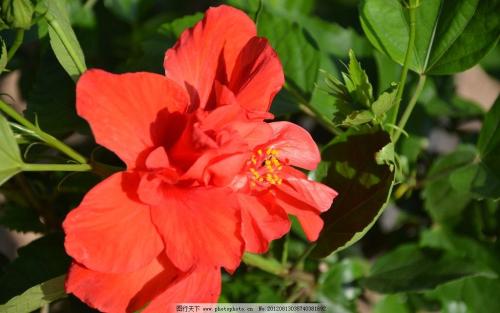
Cultivation Methods for Hibiscus
For potted hibiscus, repot every spring and carry out pruning and shaping. Hibiscus is fairly fertilizer-tolerant; apply fertilizer once a month during the growing season, and add 2-3 extra applications of phosphorus and potassium fertilizer during the flowering period. With insufficient light, buds tend to drop, flowers become smaller, and flower color fades. In winter, in the Nanjing area, it must be moved indoors to overwinter.
1. Space for placing pots: Cuttings should be planted in 11cm pots using a fertilizer medium of clay and lime. The space should allow 25-30 pots per sq m.
III. Care Precautions for Hibiscus
The flowering period of hibiscus is very long. At temperatures of 15°C-20°C, it blooms continuously all year round. Hibiscus has strong resistance and is relatively easy to manage; it does not require special care, and as long as the following principles are mastered in its care, it will grow vigorously.
1. Repotting and pruning: First, replace with new growing soil; second, cut away some of the overly dense, curled fibrous roots; third, apply sufficient base fertilizer, adding a little phosphorus fertilizer at the bottom of the pot.
2. Management after moving outdoors: Hibiscus is a sun-loving tree species. In early May it should be moved outdoors to a spot with ample sunlight. This is also the growing season for hibiscus, so management work such as increasing fertilizer and water, loosening the soil, and pulling weeds should be strengthened.
Harmful habits of the hibiscus pest, the slug moth: In this case, few larvae were collected, and they were not successfully reared to adulthood, so the species name cannot be determined. The larvae eat the leaves, causing the leaves to become incomplete. According to farmers, when slug moths occur in large numbers, the poisonous spines on their bodies irritate human skin, and touching them causes severe stinging pain, hindering the work of picking flowers.