-

Can lotus root slices be eaten raw? A few things to clarify before eating them raw
Lotus root is a very common vegetable on all kinds of dining tables. It can be used in soups and stir-fried, and some people also like to eat lotus root slices raw. So can lotus root slices be eaten raw? 1. Can lotus root slices be eaten raw? Lotus root can be eaten raw. Lotus root is cold in nature, and eating it raw can clear heat and moisten the lungs.
-
Can Lemon Slices (Yimu Fruit) in Water Remove Dark Spots? Correct Use and Drinking Times
Lemon, also known as Yimu fruit or ningmeng fruit, is a common fruit in Guangdong, Guangxi, Taiwan, China and other places. It is deeply loved by people because it is rich in vitamin C and citric acid. At present, many people like to soak it in water and drink it. So can drinking water with lemon slices remove dark spots? How
-
Can Hawthorn Slices Infused in Water Help You Lose Weight? A Detailed Explanation of Their Benefits and Effects
When hawthorn is mentioned, the first thing most people think of is probably its sourness, and its ability to stimulate the appetite and aid digestion is also quite good. But as a fruit, hawthorn is very difficult to store for long periods, though making it into hawthorn slices is a different story. So what benefits and effects do hawthorn slices have? Can infusing them in water
-
How Much Does American Ginseng Slice (Araliaceae) Cost per Jin? Detailed Guide to Benefits, Effects, and How to Eat It
American ginseng, also known as Xiyangshen, is a fairly common herbaceous plant of the Araliaceae family in China. Because it has benefits such as improving memory, regulating the endocrine system, and strengthening the human immune system, it is widely used as medicine. It is currently cultivated in many regions, so how much do American ginseng slices cost per
-

Recipe for stir-fried chicken slices with snow fungus, recommended autumn health recipe
Autumn recipe - snow fungus stir-fried chicken slices for health
-
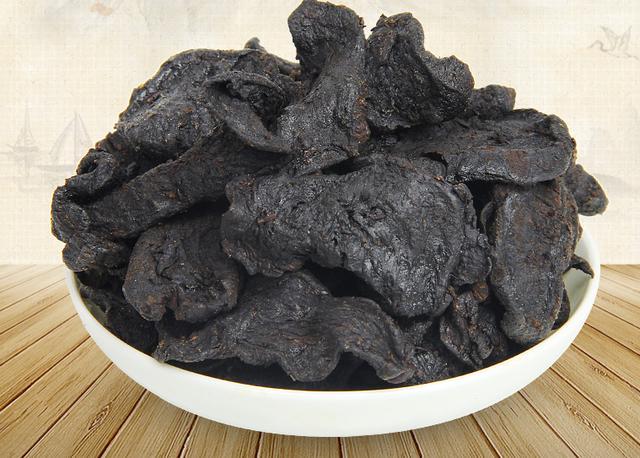
Key Points for Large-Scale Production Technology of Wine-Processed Polygonatum Slices
Technology for Large-Scale Production of Wine-Processed Polygonatum Slices. Functions and indications of wine-processed Polygonatum: nourishes blood and enriches yin, benefits essence and replenishes marrow. Used for blood deficiency with sallow complexion, palpitations, irregular menstruation, metrorrhagia and bloody discharge, yin deficiency of liver and kidney, soreness and weakness of waist and knees, steaming bone and tidal fever, night sweats and seminal emission...
-
How are candied pear slices processed and made? Detailed method and steps
Candied pear slice production process 1. Process flow: raw material selection → peeling and slicing → salting → rinsing → blanching → sugar soaking → sugar boiling → sugar soaking → drying → finished product. 2. Raw material requirements: all pear varieties can be used. 3. Operation method: remove moldy and rotten fruit, peel, and cut into slices. Use salt at 15%-16% of the raw material weight, and pickle with one layer of fruit slices and one layer of salt. After pickling, because the salt solution has high osmotic pressure and has the effect of inhibiting the activity of microorganisms and enzymes, it can be preserved for a relatively long
-
Tongzi magnolia slices are a bamboo shoot product specialty of Guizhou.
Among Guizhou's magnolia slices, those from Tongzi County have the largest output and the best quality. The Tongzi magnolia slice series is carefully processed from fresh moso bamboo shoots. Production method 1. Harvesting: The season for harvesting bamboo shoots runs from the winter solstice of the lunar calendar to the Qingming Festival of the following year. Dig out the bamboo shoots, shake off the mud and sand (do not wash with water), and cut off the old root base. 2. Steaming: Put the cleaned bamboo shoots with their shells into a wooden steamer and steam them. During steaming, the heat must be even, and they must be cooked to the proper degree. 3. Baking: After steaming, take them out, dry them in the shade, peel off the outer shells, place them in a sieve, and bake them again. Baking
-
Detailed Explanation of Key Production Techniques for Crispy Garlic Slices
Garlic is delicious, nutritious, and highly valued for its medicinal properties. However, garlic has a short storage period, sprouts easily, molds easily, and also has a peculiar odor, which directly affects its dietary therapeutic value. Crispy garlic slices, on the other hand, are white to cream-colored porous flakes with a high retention rate of allicin and amino acids, featuring a garlic aroma and honey fragrance, with no unpleasant odor or off-flavor, and deliver good results. The key processing points are: 1) Material selection - garlic bulbs should be mature and intact, with no insect damage or moldy deterioration. 2) Clove separation - cut off the stem end of qualified garlic bulbs and separate into cloves. 3) Peeling - pour the garlic cloves into a peeling solution prepared from inorganic solvents and surfactants, soak at 20-30°C for 3-4 minutes, then remove and rinse with clean water.
-
A Detailed Guide to the Processing Methods and Techniques of Sugar-Coated Ginger Slices
Select fresh ginger, wash and peel it, then cut it into thin slices 3~5 mm thick. Prepare the ingredients in the following proportions: 50 parts ginger, 32 parts white sugar, 4 parts powdered white sugar, and 0.25 parts citric acid. First prepare a citric acid solution equal in weight to the ginger slices, heat it together with the ginger slices until boiling, remove the ginger slices, rinse them clean, and drain off the water. Then prepare a 62%~65% concentrated sugar solution, add 0.15% citric acid, and boil until the sugar is completely dissolved. After filtering out impurities, add the ginger slices and boil again. When the sugar solution becomes thick and a drop forms a bead, stop the heat and remove the ginger slices. After removing the ginger slices, sprinkle with
条件筛选