-
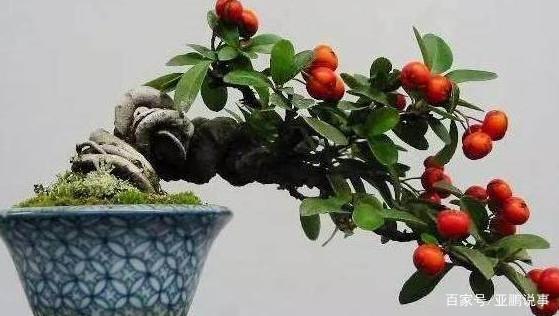
How to shape a pyracantha bonsai after repotting? A must-learn for beginners
How to carry out the daily management of a pyracantha bonsai in a new pot - generally, for a pyracantha bonsai in a new pot, if the care routine is done properly, when the new shoots are about 70-80cm, you can do this work. When the work of shaping the shape of the shape. ...
-
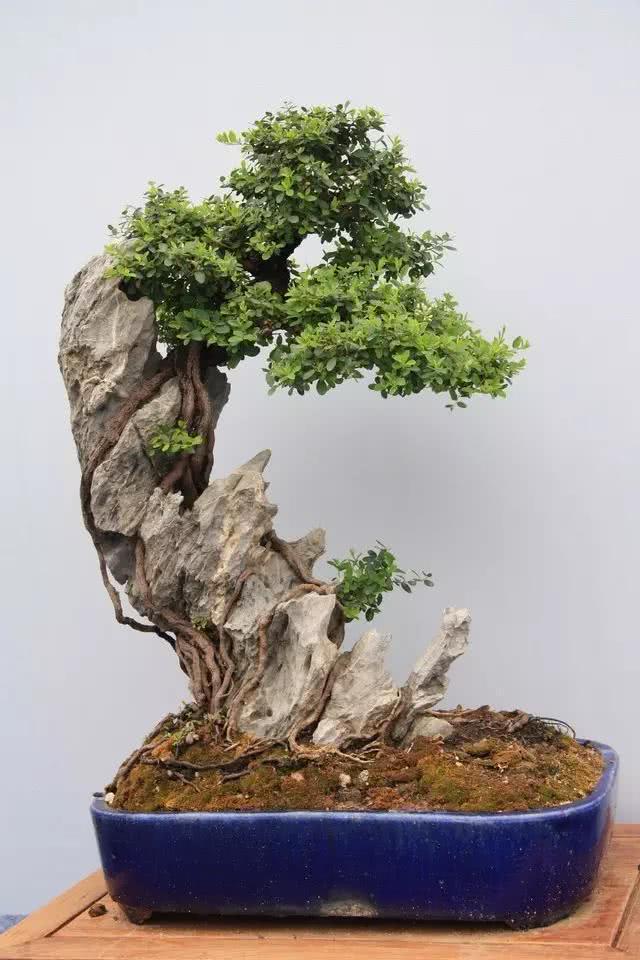
Introduction to the Tree-Enclosing-Rock Bonsai: Where Tree and Stone Blend, with a Distinctive Shape
Compared with other types of bonsai, the tree-enclosing-rock bonsai carries a touch more wild charm. The tree and the stone complement each other, and its form looks bizarre yet full of interest, making it a treasured favorite among bonsai enthusiasts. Introduction to the tree-enclosing-rock bonsai: where tree and stone blend, a distinctive...
-

What is the Peach Egg? A brief introduction to the characteristics of Crassulaceae succulents
Peach Egg, a dreamy name, with bright colors and a cute shape, full of attraction, also known as a succulent plant. Let us get to know it together below.
-
Crassula perforata is a succulent in the Crassulaceae family; let us introduce you to this potted plant
Crassula perforata gets its name because the plant closely resembles strings of ancient coins, and it is one of the small succulents that people greatly adore. Its plant shape is peculiar, exquisite and lovely, suitable for growing in small decorative pots, adorning desks, windowsills and other places, fresh and elegant, full of charm.
-
Black Aeonium: A Brief Introduction to the Characteristics of This Crassulaceae Succulent Variety
Black Aeonium is a succulent in the Crassulaceae family, genus Aeonium. Its appearance is distinctive and its leaf color is attractive; the rosette formed by its thick, fleshy leaves is very beautiful. The lotus-shaped Black Aeonium is both solemn and beautiful - who knew purple-black could be this lovely!
-
Bear's Paw (Cotyledon tomentosa) is a succulent plant in the Crassulaceae family, with leaves shaped much like a little bear's paw.
Bear's Paw is a plant of the genus Cotyledon in the Crassulaceae family, an angiosperm succulent whose leaves are covered in fuzz, like a bear's claws. The usual market price is 25-150 yuan. It is native to Namibia in Africa. It easily dies in high summer temperatures, and simply keeping it at 5°C in winter is enough for it to survive the winter safely.
-
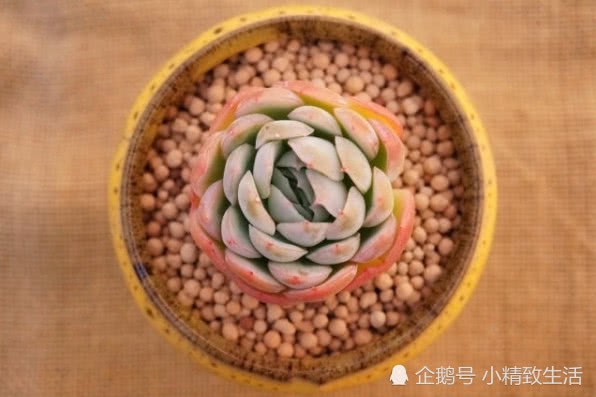
Can't get your succulents to look as good as everyone else's? That's because you don't know how to control their shape.
Most of Little Exquisite Life's previous articles covered some beginner knowledge about succulents -- basically, how to keep them alive first. So today, building on keeping them alive, let's explore together how to grow them well. Abo...
-
How to Grow Aloe nobilis? Care Methods and Precautions
Aloe nobilis belongs to the Liliaceae family, genus Aloe. It has a graceful, compact plant shape and pleasant emerald-green leaves, making it a fine specimen among ornamental aloes. It is suitable for small to medium potted cultivation, accenting windowsills, shelves, desks and other spots, fresh and elegant with a unique charm.
-
What is Haworthia truncata? An introduction to the Haworthia truncata succulent
Haworthia truncata, also known as truncated haworthia, is a succulent plant of the genus Haworthia in the family Liliaceae, also called a succulent. The plant has no stem, and its fleshy leaves are arranged in two rows in a fan shape. The leaves are upright, slightly curved inward, with a slightly sunken tip. The surface is rough, green to dark greenish-brown, with small wart-like protrusions. The cross-section of the new leaves is partly transparent and grayish-white.
-
Haworthia cooperi var. truncata: Variety Characteristics and Care Methods of a Haworthia Succulent
Haworthia cooperi var. truncata originates in South Africa. Its cute shape and translucent appearance are very unique, and it is often used in mini arrangements. Below is some information about Haworthia cooperi var. truncata.
条件筛选