Black Aeonium: A Brief Introduction to the Characteristics of This Crassulaceae Succulent Variety
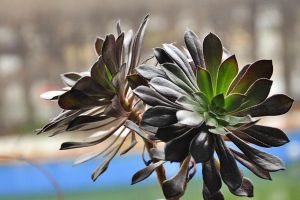
Common Names of Black Aeonium
Black Aeonium is commonly known as purple-leaf aeonium.
Habits of Black Aeonium
Black Aeonium is a succulent in the Crassulaceae family, genus Aeonium, and winter is its period of vigorous growth.
Black Aeonium is native to Morocco and prefers a warm, dry environment with plenty of sunlight. Its most suitable growing temperature is 20~25°C.
Black Aeonium is a "winter-growing type"; it tolerates drought and partial shade, is not cold-hardy, and needs ample light to grow. In an environment with plenty of sunlight and good ventilation, Black Aeonium naturally grows into a multi-headed form in spring; otherwise, its leaves turn green.
Black Aeonium dislikes hot, humid environments. Water it once every 2 weeks and ensure ample sunlight, but avoid direct exposure to strong light.
The common propagation method at home is cuttings.
Care Tips for Black Aeonium
Watering: Under normal growth conditions, water Black Aeonium once every 2 weeks, keeping the potting soil just moist; if the potting soil is too wet, it very easily causes leggy stems and leaves. In the hot, humid environment of summer, Black Aeonium goes dormant, and in winter, when room temperatures are relatively low, watering should not be excessive either - just keep the potting soil slightly moist.
Fertilizing: Fertilize once a month with diluted cake fertilizer water or a fertilizer specially formulated for succulents. If too much fertilizer is applied, water promptly to avoid leggy leaves and premature aging of the plant.
Repotting: Repot every year in early spring. When repotting, cut off the dead leaves at the base of the plant and any overly long fibrous roots. Use a potting mix of leaf mold, growing medium, and coarse sand, with a small amount of bone meal or organic fertilizer added.
Sunlight: In midsummer, place the plant in a partially shaded environment. In winter, it needs ample light; rotate the pot regularly to ensure even light exposure, so the plant does not become bent.
Pests and diseases: Common pests and diseases include leaf spot and black weevil, which seriously affect the ornamental value of Black Aeonium. Once discovered, remove the diseased leaves immediately and use appropriate pesticides for control.
Propagation Methods for Black Aeonium
Cuttings: In a sunny environment, the mother plant will grow many offsets around it; cut off the offsets and insert them into soil. They will root after 3~4 weeks.
Suggested planting combinations: Crassula mesembryanthemoides, Curio articulatus.
Related Articles
- How to prevent and control pests and diseases on desert rose? Ventilation and dryness are the key to prevention
- The three main causes of cotton diseases: climate, seeds and cultivation
- How to Grow Bird's Nest Fern in Water? Master Temperature, Light, and Water Change Techniques
- A Complete Guide to Identifying and Controlling Common Potted Flower Pests
- Do Carnivorous Plants Need Watering? Pot Watering and Wet/Dry Assessment Methods
- How to manage cotton during the flowering and boll-setting stage? Apply flowering and boll fertilizer heavily, use chemical regulation and pruning to prevent premature senescence
- How to Grow Chinese Hibiscus? Master These 5 Key Points for Blooms All Year Round
- How to Grow Tulips in Water? The Complete Process from Bulb Preparation to Blooming