-
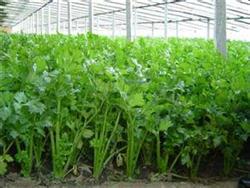
Conventional Celery Seed Saving Methods and Key Techniques
In recent years, many places have bred some excellent conventional celery varieties, which also occupy a relatively large proportion in cultivation. Given that celery is a cross-pollinated crop, conventional improved varieties especially require good seed saving and degeneration prevention work, effectively establishing seed-saving fields or seed-saving bases, and selecting and keeping good seed plants. Strictly isolate at least 4...
-
Detailed Explanation of Common Celery Seed-Saving Methods and Technical Points
In recent years, many regions have cultivated some high-quality common celery varieties, and they also account for a relatively large proportion in sowing. Because celery is a cross-pollinated crop, for common varieties it is especially important to do a good job in seed saving and preventing degeneration, to truly establish a good seed-saving field or seed-production site, and to select and retain good seed plants. Strictly isolate in the seed-saving...
-
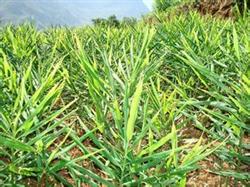
Detailed Guide to Harvesting and Seed-Saving Methods for Ginger
Ginger harvesting, based on the intended product use, is divided into seed ginger harvest, young ginger harvest, and mature ginger harvest. Seed ginger is generally harvested in late June, when the seedlings have 4-5 leaves; carefully loosen the soil and gently snap the connection between the seed ginger and the new ginger to remove the seed ginger. If harvested too late, digging damages too many roots, affecting the continued growth and...
-
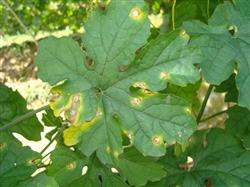
Detailed Explanation of Bitter Melon Seed Saving Methods and Key Technical Points
How can bitter melon yellow leaves be effectively prevented and controlled? Please advise. The symptoms of bitter melon yellow leaves are as follows: the leaves of the entire bitter melon plant turn yellow and lose their green color, the leaf veins dry up, the stems have fine cracks or split into 1-2 cm fissures, the top of the plant grows slowly and gradually shrivels, and when the plant's root system is pulled out, it is found that the root system is underdeveloped....
-
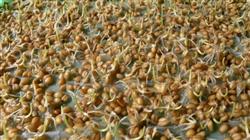
How to save wheat seeds? I'll teach you the correct seed-saving method
It's wheat harvest season again, and here's how to save wheat seeds: The quality of wheat seeds is the foundation and key to a good wheat harvest. In principle, when choosing varieties, farmers should buy wheat varieties that have passed national approval from qualified seed suppliers. Some farmers use their own saved wheat seeds, and they should follow five points....
-
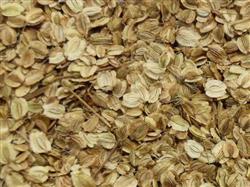
Seed-saving methods and key technical points for growing Angelica dahurica
How do you save seeds when growing Angelica dahurica? Please explain the method. Angelica dahurica is propagated by seed. Establish a high-quality seed breeding field at the Angelica dahurica production base, carry out good-variety breeding and germplasm preservation well, and ensure seed quality. When harvesting Angelica dahurica, select roots that are uniform in thickness, moderate in size, vigorous, and free of pests and diseases, and transplant them into the seed field. The seeds...
-
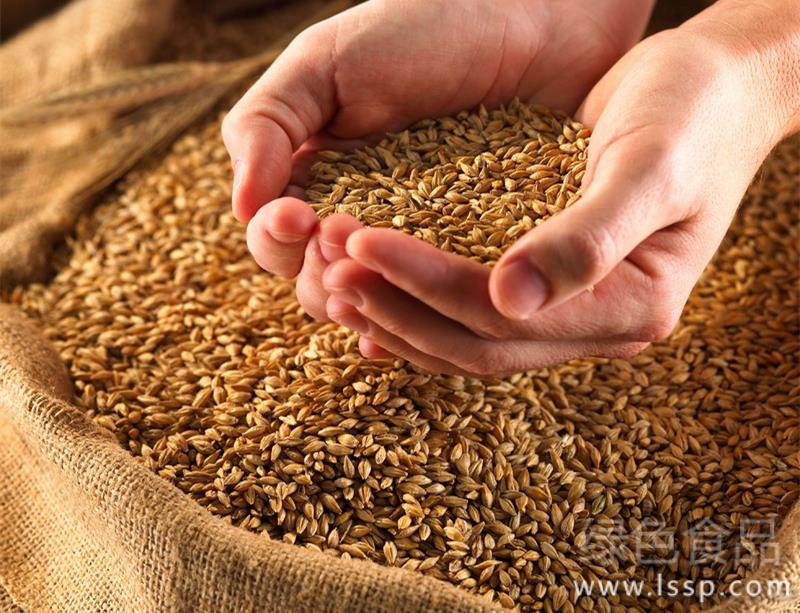
How to save wheat seed? Do a good job of seed saving to safeguard next year's harvest
Wheat seed saving affects next year's harvest: how to do a good job of wheat seed saving
-

Detailed explanation of scallion seed-saving techniques, teaching you how to save scallion seeds well
Technical methods for saving scallion seeds
-
Seven key points for transplanting rapeseed, worth saving for growers
Seven key points for transplanting rapeseed
-
Detailed Explanation of Bitter Melon Seed Saving Methods and Technical Key Points
How to Save Bitter Melon Seeds
条件筛选