-

How to plant Euphorbia thymifolia? A detailed guide to the latest growing methods
Euphorbia thymifolia is a very common wild grass in rural areas, and it is also a weed that many growers detest, as it is extremely harmful to crops. However, it is also a Chinese herbal medicine with certain medicinal value. Today, the editor will introduce you to Euphorbia thymifolia
-
Kudzu Root: How Many Years Until Harvest, the Best Digging Time, Yield Per Mu, and How to Eat It for the Best Effects
Kudzu root, a traditional Chinese medicine name. It is the dried root of the leguminous plant wild kudzu, commonly known as wild kudzu. So how many years does kudzu root take to harvest? When is the best time to dig it? How many jin does one mu produce? How should it be eaten for the best effects? How many years does kudzu root take to harvest? When is the best time to dig it? High quality
-
What are the benefits and contraindications of drinking sand root (Radix Adenophorae) soaked in water? It is better when used in soup with these ingredients
Sand root, also known as white ginseng, pao shen and sheep's milk, is a medicinal herb commonly found in low mountain grasslands or rock crevices. Because of its high nutritional value and its effects of relieving cough, nourishing the body and boosting immunity, it is widely used as a medicinal herb. At present, many people also like to soak it in water and drink it, so what
-
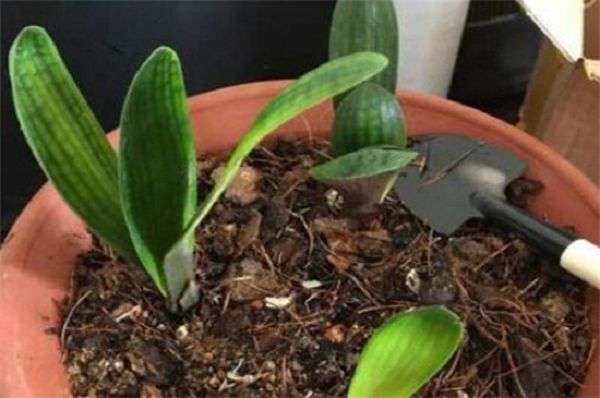
How to use sand to encourage root growth in clivia? After placing it in sand and watering, keep it in a cool place for care
Method for using sand to encourage root growth in clivia: place in sand, water, and keep in shade for care
-
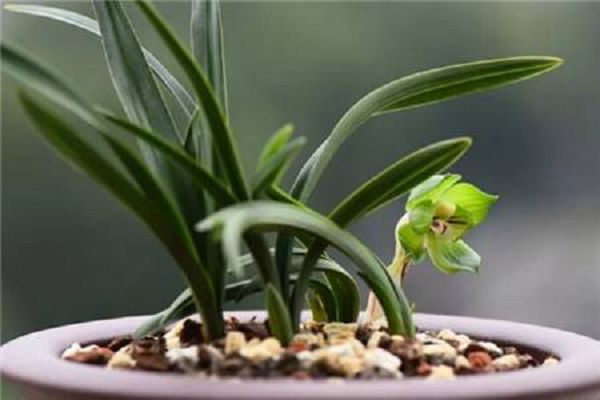
How do you grow roots on an orchid that has none? The sand rooting method
How do you grow roots on an orchid that has none, and can sand be used for rooting?
-
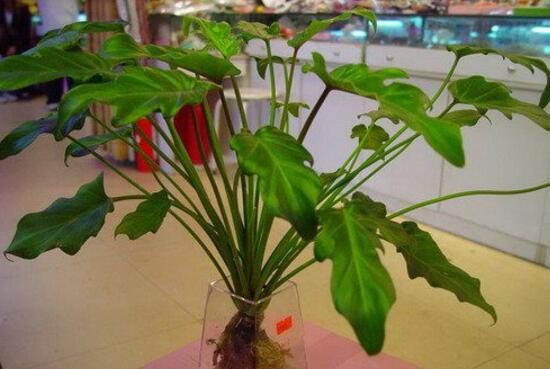
Sand-burial method for sprouting and rooting Dracaena fragrans cuttings
Burying Dracaena fragrans in sand to force sprouts and roots is actually a form of cutting propagation. When Dracaena fragrans is shipped from the south to the north, most of it arrives as finished plants with leaves, soil and pots. Leaves are easily damaged in transit, which affects the ornamental effect. Transport is inconvenient and the cost is too high. If, instead, Dracaena fragrans canes are shipped
-

Busy spring planting across ten thousand mu of lotus root fields; Liujiang lotus root enjoys a fine reputation
Busy spring planting across ten thousand mu of lotus root fields; Liujiang products enjoy a fine reputation
-
Schisandra chinensis asexual propagation and seedling raising: Rootstock method for green-branch cleft grafting
For the cultivation of rootstocks for green-branch cleft grafting, refer to open-field direct seeding for seedling raising. If the rootstocks are not dug out before winter arrives, pruning must be carried out before the ground freezes. Leave 3 to 4 buds on each rootstock and cut at about 5 cm, then water thoroughly with winter-protection water to prevent freeze damage and drying out. If the rootstock seedlings are to be planted out the following year, the seedlings can be dug out and stored in cellars or trenches, which is more beneficial for rootstock seedling management. When planting out the following year, they also need to be cut back to 3 to 4 buds to establish the trunk. Rootstock seedlings that overwinter in place should be irrigated promptly after the ground thaws the following year and given a topdressing of quick-acting nitrogen fertilizer to promote new shoot growth. Keep 1 to
-
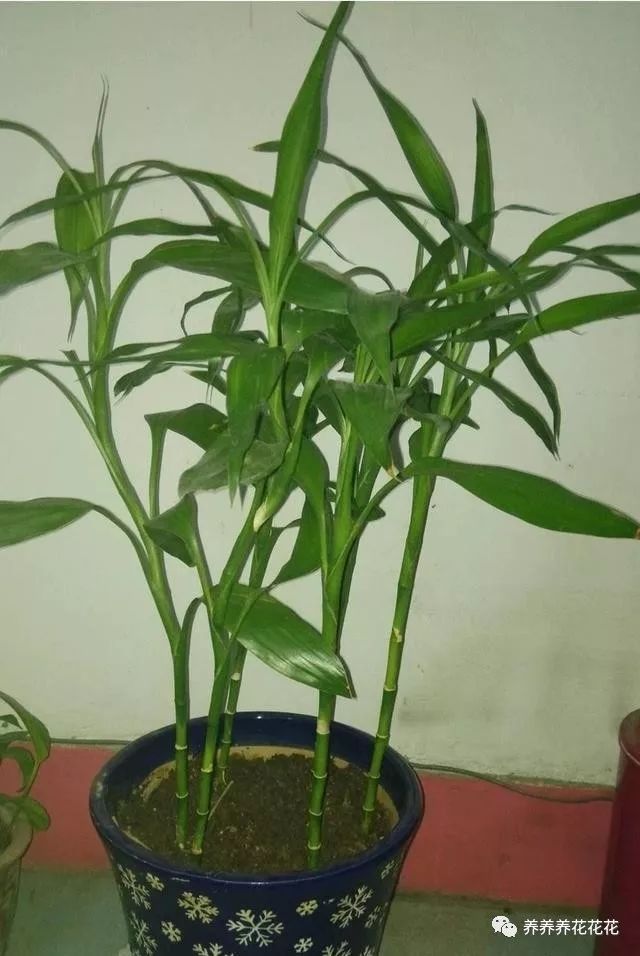
Can't keep your lucky bamboo (Dracaena sanderiana) healthy? Let me teach you the soil cultivation method: it roots fast and grows especially vigorously later on
If you can't keep lucky bamboo healthy, let me teach you the soil cultivation method for lucky bamboo: it roots fast and grows especially vigorously later on. A gardening friend asked how to grow lucky bamboo in soil. Actually, lucky bamboo is very easy to grow. With soil cultivation, you could say it grows however you grow it; when planted in soil...
-
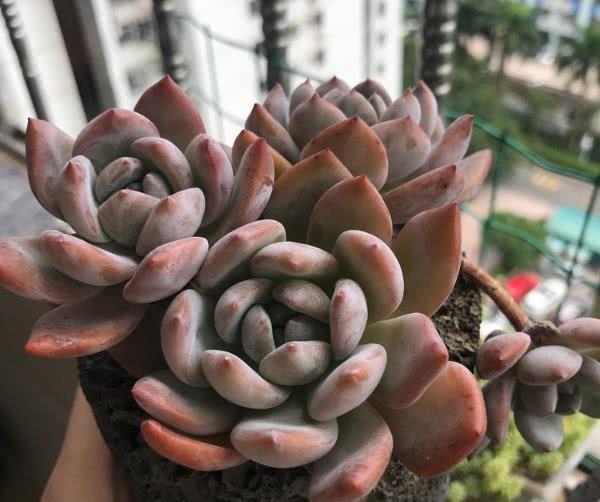
Put sand on top of succulent pots: it prevents mosquitoes and insects and stops root rot
Everyone knows sand can be used for cuttings, mixing into soil, and lining the bottom of pots, but did you know it can also be spread on the pot surface? Using sand as a top dressing not only lets water and air through and prevents root rot, but also keeps mosquitoes and insects away, and best of all, it looks super beautiful when used to grow succulents...
条件筛选