How to use sand to encourage root growth in clivia? After placing it in sand and watering, keep it in a cool place for care
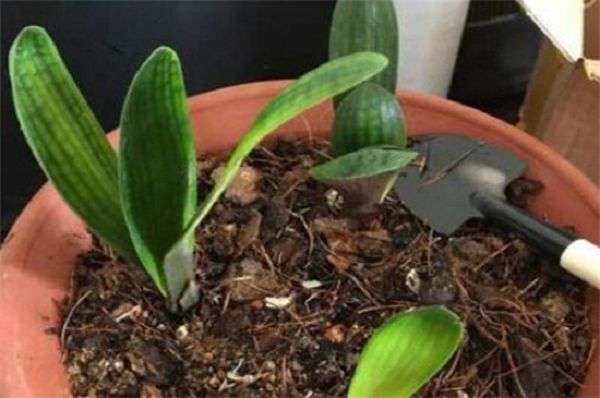
During the process of growing clivia, situations such as damaged or dried-out roots often occur, which is very frustrating. At this time, we need to take some measures. The method of using sand to encourage root growth in clivia is the most effective one. After treating the roots, place the clivia into a flower pot, pour in 3cm of coarse sand, water until the sand is thoroughly wet, then place it in a cool, ventilated place for care. After one month, check whether the clivia has grown new roots. If 5 new roots have grown, it can be transplanted into a pot.
Method for using sand to encourage root growth in clivia
First pour 3cm of coarse sand into the flower pot. The roots of the clivia should also be properly trimmed. After treatment, place it into the flower pot, fill the pot with coarse sand, then water so the sand is thoroughly wet. Then place it in a cool, ventilated place for care. When the surface of the coarse sand becomes dry, water it again. If coarse sand cannot be found, fine sand can also be used instead.
One month after the clivia undergoes root encouragement treatment, check whether the clivia has grown new roots. If about 5 new roots are found to have grown, it means the clivia's roots are healthy and it has survived. At this time, the clivia can be transplanted into a pot.
Although the method of using sand to encourage root growth in clivia is the most effective, the roots produced are relatively fragile, so extra care must be taken during cultivation. Fertilizer must not be applied, because the soil itself already contains certain nutrients. If fertilizer is applied again, it will lead to excessive nutrients and instead inhibit the plant's growth.
Key points for growing clivia 1. Preparation of nutrient soil
The soil used for clivia must be fertile and breathable, as this will help the clivia grow. The soil can be prepared with leaf mold, compost soil, and river sand at a ratio of 6:2:1, or prepared with peat soil and river sand at a ratio of 7:3. Both methods can be used.
2. Watering by season
The root system of clivia can store a large amount of water, so its drought tolerance is relatively strong. During the growing period, sufficient moisture must be maintained. Water again when the soil surface is dry, to prevent root rot. Seedlings and the flowering period require a relatively large amount of water, so they should be watered frequently. In summer, when the temperature is relatively high, air humidity can be increased every day, and ventilation should be carried out frequently. This can promote the effective growth of clivia.
3. Fertilize appropriately
Too much fertilization will cause the roots of clivia to rot. Just apply a dilute liquid fertilizer once every 15 days or so during the growing period. During the flowering period, phosphorus fertilizer can be applied 3 times as a top dressing. This can make the flowers more vivid. When the summer temperature is too high, it will cause clivia to stop growing. At this time, fertilization should be stopped to prevent excessive nutrients from burning the roots of the clivia.