-

How can wild-collected rhododendron stumps safely get through the summer? Only by understanding the false-growth phenomenon can you grow them well
Yingshanhong, also known as rhododendron, is a tree-form bonsai with very high ornamental value. Nowadays in rural areas, many farmers grow yingshanhong in their spare time from farming; of course, yingshanhong is now a protected plant and may not be dug up at will. Yingshan...
-
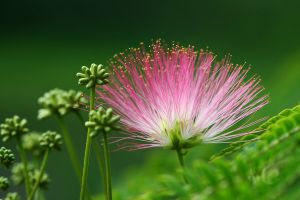
Is the silk tree flower poisonous? A comprehensive look at its safety
This flower is actually not poisonous; on the contrary, it has many uses, especially for the mind and spirit. If insomnia symptoms appear or the mind is restless, using it for treatment is feasible. In addition, we can also brew it to drink, we can use it to mix cocktails, and besides that, we can also brew it together with honey and rock sugar to drink.
-
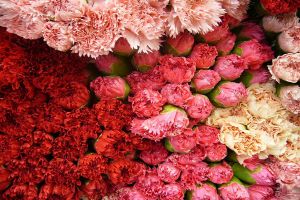
Can Carnations Be Eaten? Understanding Their Edibility and Safety
Carnations are not only beautiful but also edible. They are not toxic and are mainly used to make floral tea. In addition, they can be used to make floral wine or floral porridge, but be sure to wash them thoroughly before use.
-
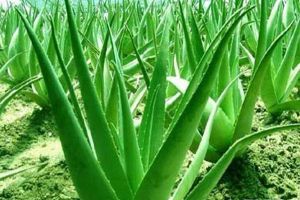
What flowers are suitable for a home with a pregnant woman? Safe flower recommendations
If there is a pregnant woman at home, there will certainly be special requirements for the types of plants. There are roughly three major categories that can be placed. The first is those that can absorb harmful substances, such as spider plant, etc. The second is those that can inhibit bacterial reproduction, such as violet, etc. The third is those that can increase indoor O2 levels, such as cactus, etc. Flower varieties with too strong a fragrance, those that are toxic, those that are too brightly colored, and those with unpleasant odors are all unsuitable.
-

Is Clover Toxic? Understanding Its Toxicity and Safety
Everyone has surely heard of this plant, but those who grow it still have some questions, such as whether this plant is toxic and whether it is harmful to humans. In fact, it is not toxic, and both people and animals can eat it, but this does not mean that eating it raw is completely safe, because it may cause digestive problems.
-
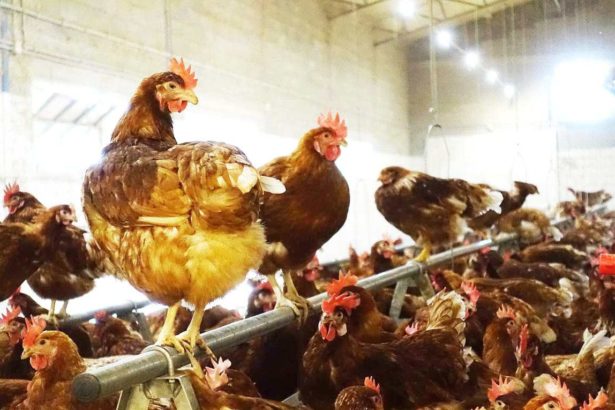
Italian organic free-range eggs successfully exported, balancing revenue, food safety and animal welfare
Italian organic free-range eggs have passed the market test and can even be exported, balancing revenue, food safety and animal welfare
-

Identifying Edible Oil Safety and Recycling Waste Oil: Lessons from the Swill Oil Case
The swill oil case has drawn attention to edible oil safety. This article covers the hazards of gutter oil and household identification methods, and explains ways to recycle kitchen waste oil into biodiesel and other resource-utilization pathways, helping farmers and processors secure both safety and proper handling.
-

Lychee stink bug control relies on the Anastatus japonicus wasp, pesticide reduction works, bees pass safely
The Anastatus japonicus wasp army is deployed, attacking the lychee stink bug from land and air! Pesticide reduction works, bees pass safely this year
-
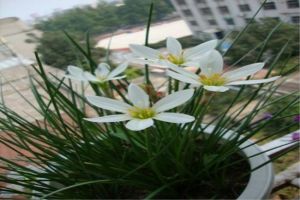
Is rain lily toxic? A detailed explanation of the toxicity and safety of rain lily
It is divided into two types, one is the broad-leaved Zephyranthes carinata, and the other is the slender Zephyranthes candida. Both are toxic. If you eat its bulbs without a doctor's guidance, it will cause vomiting, diarrhea, etc. If you accidentally eat too much, it will cause skin allergies, chest tightness, and dizziness. Especially in summer, skin problems are even more likely to occur.
-
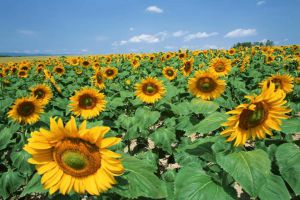
Are Sunflowers Toxic? The Truth About Toxicity and Safe Consumption Guidelines
It is not toxic; it does not contain toxic substances itself, nor does it secrete toxic secretions or release toxic gases. In addition, it has high edible and medicinal value. It can be eaten or pressed for oil, and made into feed. It can also be made into medicine to help cells slow down aging.
条件筛选