-
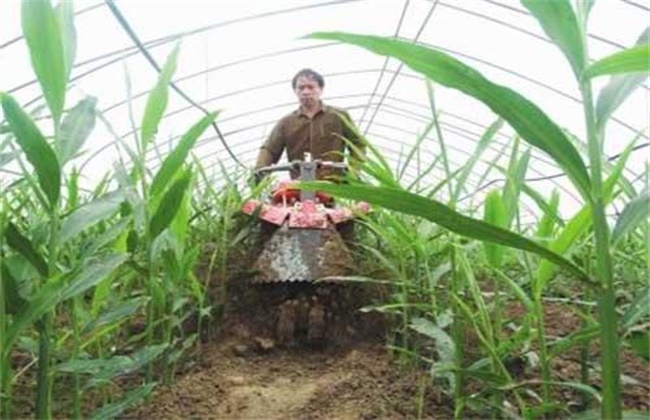
What are the methods and precautions for hilling soil around ginger?
Ginger hilling methods and precautions
-
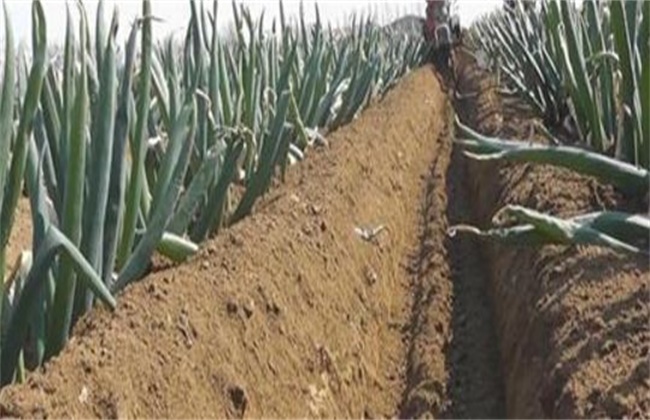
The correct method of hilling soil around Welsh onions and points to note
Welsh onion hilling methods and points to note
-
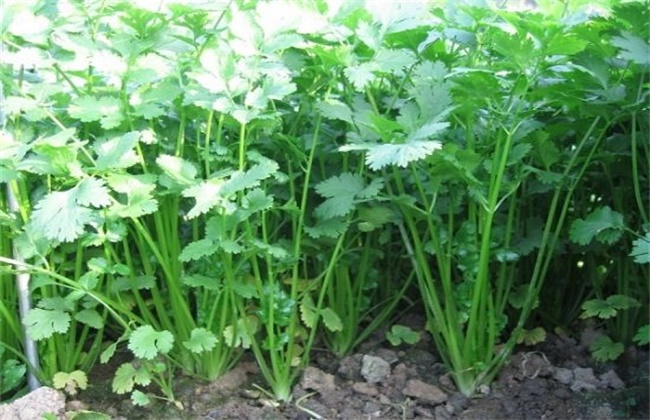
What vegetables are suitable for planting around Frost's Descent? Here are the planting recommendations
What vegetables are good to plant around Frost's Descent
-

How to eat seasonal vegetables all year round? Follow the seasonal chart and take your time choosing
In winter, the weather is cold, and the variety of vegetables gradually decreases. Many families used to just make do with cabbage, potatoes and big chili peppers. Oh, people in Northeast China might add...
-
A Roundup of 8 Vegetables That Help Lower Blood Sugar
Tremella (White Wood Ear) Tremella is rich in dietary fiber, which can delay the absorption and utilization of sugars by the small intestine and help slow the rise in blood sugar. Tremella contains...
-

Control Methods for Major Underground Pests of Potatoes
I. Major Pests 1. Mole cricket, also called lala cricket or earth dog. Both the adults (with fully developed wings) and nymphs (with incompletely developed wings) of the mole cricket cause damage to potatoes. It uses its mouthparts and large front claws (forelegs) to tear the underground stems or roots of potatoes into a tangled mass, causing the above-ground parts to wilt or die. It sometimes also bites the seed pieces, preventing the buds from growing and causing gaps in the stand. It tunnels through the soil, separating young roots from the soil and exposing them to air, causing water loss that affects seedling growth and can even kill the plants. In autumn, it bites the tubers, creating holes in them or making them
-
Introduction to the Characteristics and Traits of the Heibei No. 1 Round Eggplant Variety
Variety source: Heibei No. 1 round eggplant; the female parent is line 98-24, a high-generation self-pollinated purified and segregated selection of Ermins eggplant (a multi-harvest eggplant type), and the male parent is line 98-8. Characteristics: This variety has strong growth vigor, a compact plant type, small plant spread, and strong uprightness; the leaves are green with a slight purple tinge, and the petioles are purple-black; it is mid-maturing, with the first fruit (gate fruit) set at the 8th to 9th node, and it has strong fruit-setting ability; the fruit is spherical, purple-black, with a fruit shape index of 0.93; the average single fruit weight is 580 grams, with a maximum of 910 grams; it has excellent commercial quality, with a glossy black, relatively thick skin, tolerance to transport, and crisp, tender, pure white flesh
-
Haemanthus albiflos stays green through all four seasons and is full of vitality all year round
Haemanthus albiflos (white paintbrush lily) is a perennial evergreen herbaceous plant of the genus Haemanthus in the Amaryllidaceae family, native to southern Africa. The broad-leaved plants grow 20-30 cm tall, with a shortened or flattened-globose rhizome that is jointed. The leaves emerge from the base, are opposite, spreading and broad, usually 4-6 in number and neatly arranged. Haemanthus albiflos likes a sunny, warm, humid and well-ventilated environment. It is fairly drought-tolerant but not cold-tolerant, with an optimum growing temperature of 15-25°C, and requires well-drained, slightly acidic loam. The growing medium for cultivating Haemanthus albiflos can be made by mixing peat, leaf mold and river sand evenly. During the growing season
-
How to prevent excessive growth in round eggplant? Comprehensive measures are key
Currently, because greenhouses begin closing up at night to retain heat, nighttime temperatures often become too high, causing severe excessive growth of round eggplant in greenhouses. To prevent round eggplant from growing too vigorously and failing to set fruit, the reporter found that vegetable growers commonly adopt the method of controlling water. But in production, relying solely on water control makes it hard to achieve the desired effect, and excessive water control has many drawbacks, such as poor flower bud differentiation and many deformed fruits. The author believes that there are many factors causing vigorous plant growth, so controlling vigorous growth should also adopt comprehensive measures rather than blindly over-controlling water. Temperature controls the plant. The suitable temperature for round eggplant growth is 25 during the day
-
How to achieve year-round production of anise? Detailed explanation of key technical points
Anise is an annual herbaceous plant of the Apiaceae family, genus Pimpinella. It originated in Eurasia, with Greece and Egypt being particularly abundant. The seeds can be used as a food seasoning and for medicinal purposes; the seedlings can be used as a green vegetable or salad garnish. 1 Botanical characteristics: The plant is 35-40 cm tall, with a slender form, and the whole plant has a very fresh and delicate fragrance, with a spindle-shaped taproot. The stem is relatively thick and cylindrical, with shallow grooves, and the upper part of the stem is much branched. The lower stem leaves are nearly round to kidney-shaped, with blunt notches and long petioles; the upper stem leaves are fully divided, almost
条件筛选