-
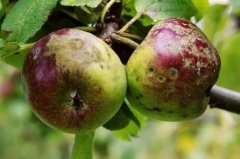
How to treat apple scab (apple black spot)? A new breakthrough treatment lends a hand
Do you like eating apples? Then you know that apples are very prone to pests and diseases, and some growers spray pesticides to prevent them, which makes it easy for apples to end up with pesticide residues. Apple scab, also known as apple black spot, is a disease caused by fungi and is especially
-

-
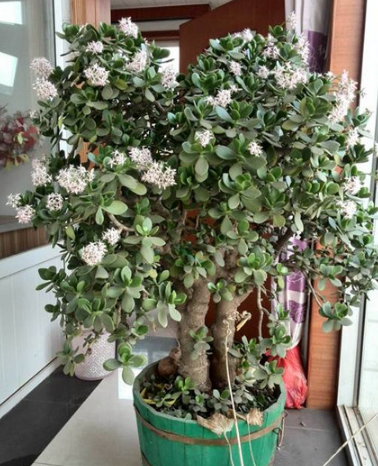
Which drought-tolerant plants won't die even if you don't water them for a month?
Often it's not that you're bad at caring for plants, but that the plant you chose isn't right for you. For example, if you're so busy with work every day that your feet barely touch the ground, a pot of pennywort will surely dry up and die; and if your home doesn't get enough light, a pot of succulents will surely grow leggy. How to choose a flower that suits you is quite a subject.
-
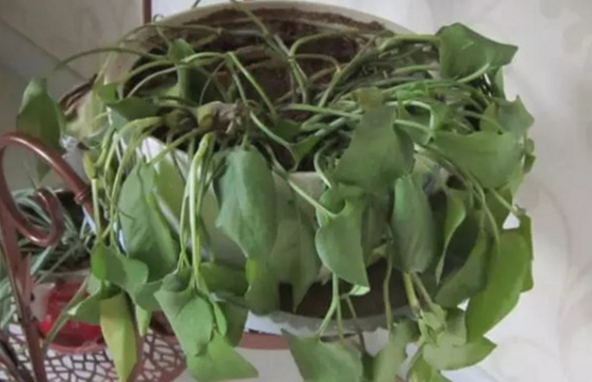
Rescue methods for copper coin grass and pothos that have died from drought, drowning, fertilizer burn, or pests
Many people grow plants, but due to neglect, plants always end up dying in all kinds of ways. So do you know that even when a plant has not completely died, there are still other ways to save it? What exactly are those methods? Let's take a look. Death from drought: if flowers and plants are not watered in time, the leaves will begin to wilt from the top downward
-

What are the key technical points for keeping lambs safe through the winter
How to keep lambs safe through the winter
-

Lily prices stabilize, Taichung City assists farmers through multiple channels
This year's warm climate caused lilies to reach peak production early, before the Spring Festival. To stabilize prices and ease the supply-demand pressure in the domestic market, the Taichung City Government promoted flower marketing through three channels, including holding flower promotion events, exporting, and stepping up calls for people nationwide...
-
Hangzhi No.1, a new sesame variety, is the only variety in China developed through spaceflight technology.
Variety origin: "Hangzhi No.1" originated from the key project "Ninth Five-Year Plan Crop Spaceflight Technology Breeding" supported by the Ministry of Agriculture. In 1996, parent sesame seeds provided by the Oil Crops Research Institute of the Chinese Academy of Agricultural Sciences were carried aboard China's 17th recoverable satellite, stayed in space for 15 days and then returned to Earth. Since 1997, continuous multi-year ground selection was carried out. Through comparative trials on genetic stability, yield, quality and resistance, it was significantly superior to the control. From 2001 to 2002, it was advanced to the national sesame
-
Analysis of Cotton Production Misconceptions and Ways to Increase Yield Through Plant Protection (Part 5)
For more than a decade, with the widespread promotion of genetically modified insect-resistant cotton, cotton bollworm is no longer enough to make cotton farmers turn pale at the mention of pests. However, Fusarium wilt and Verticillium wilt have always been the "tightening band" giving cotton farmers headaches, aphids and red spider mites "stir up trouble" every year, cotton stink bugs and tobacco whiteflies have become increasingly rampant in recent years, and together with cotton bollworm suddenly breaking out in certain years, pesticide control of cotton is still an unavoidable matter. At the same time, there are also the following two serious problems in pest and disease control, which directly lead to
-
What Are the Economic Benefits of Growing Pinellia ternata (Drought Pinellia)? A Detailed Analysis in One Article
Pinellia ternata has a very short growing period: planted in April, it can be harvested in August or September. The growing period is between 130 and 150 days. The yield of Pinellia ternata is 200 kg per mu; calculated at a market price of 40 yuan/kg, the benefit is around 8,000 yuan per mu. In addition, Pinellia ternata prefers a shaded environment and is suitable for intercropping with trees, fruit trees, or grain crops. This intercropping model makes full use of the land and achieves the double benefit of both grain and medicine, both forest and medicine, or both fruit and medicine.
-
Methods for Extending Rice Seedling Age and Key Points for Preparing to Transplant Rice While Waiting for Rain as a Drought-Resistance Measure
In a normal year, the seedling age for machine-transplanted rice is about 30 days, about 40 days for seedling-throwing rice, and about 50 days for water-raised seedlings. If the water for transplanting comes late, the seedling age must be extended to more than 60 days in order to wait for water before transplanting. First, sow sparsely to cultivate strong seedlings of extended age. That is, by expanding the area of the seedling-raising bed and reducing the sowing rate per square meter, the tillering-stagnation period of the seedlings is prolonged, which can effectively increase the seedling-age flexibility of seedlings sown early at the proper time and improve seedling quality; this can both raise per-unit yield and resolve the contradiction of having no water for transplanting in the early period.
条件筛选